
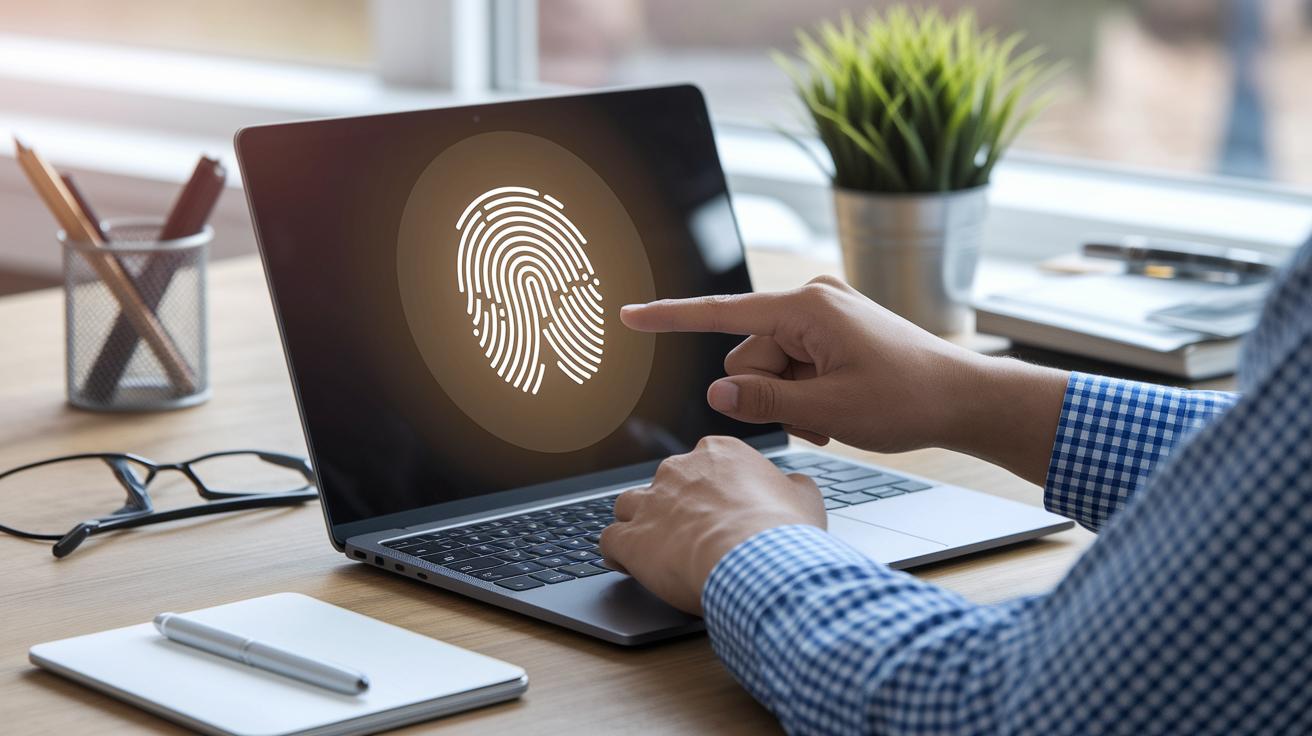

Ever thought a simple touch or glance could protect your account better than a long password? Biometric checks use things like your fingerprint or face (your unique features that only you have) to quickly and safely confirm who you are. It means you can skip the hassle of remembering long codes because your body does the checking for you.
With hackers always trying new tricks, this method adds another strong layer of protection to keep your personal data safe. In short, using biometrics makes it easier and more reliable to safeguard your account.
How Biometric Authentication Secures User Accounts
Biometric authentication works by checking unique parts of your body, like your fingerprint, face, eye pattern, or even your voice, to confirm who you are. It’s a smart way to skip the hassle of remembering complex passwords or PINs that can be guessed or stolen. Instead of typing a secret code, you just give a touch or a quick glance, making identity verification both fast and friendly. Most people say unlocking their phone with a fingerprint feels almost like magic compared to juggling tricky passwords. Since these physical traits are nearly impossible to fake, they offer a strong shield against fraud and identity theft.
Recent stats from 2023 really highlight why biometrics matter. With nearly 28% of cyber attacks aimed at financial services, older methods just can’t keep up. When systems add a biometric check to their security mix, they block about 99.9% of unwanted access, imagine nearly wiping out almost all intrusions with just a simple fingerprint scan!
Everyday use of biometric authentication shows major benefits too. Whether it’s unlocking a smartphone or protecting sensitive business info, this passwordless method makes life easier and secures your data in one smooth move. It feels like that satisfying click when you log in, simple and reliable, every single time.
biometric authentication for enhanced account security rocks
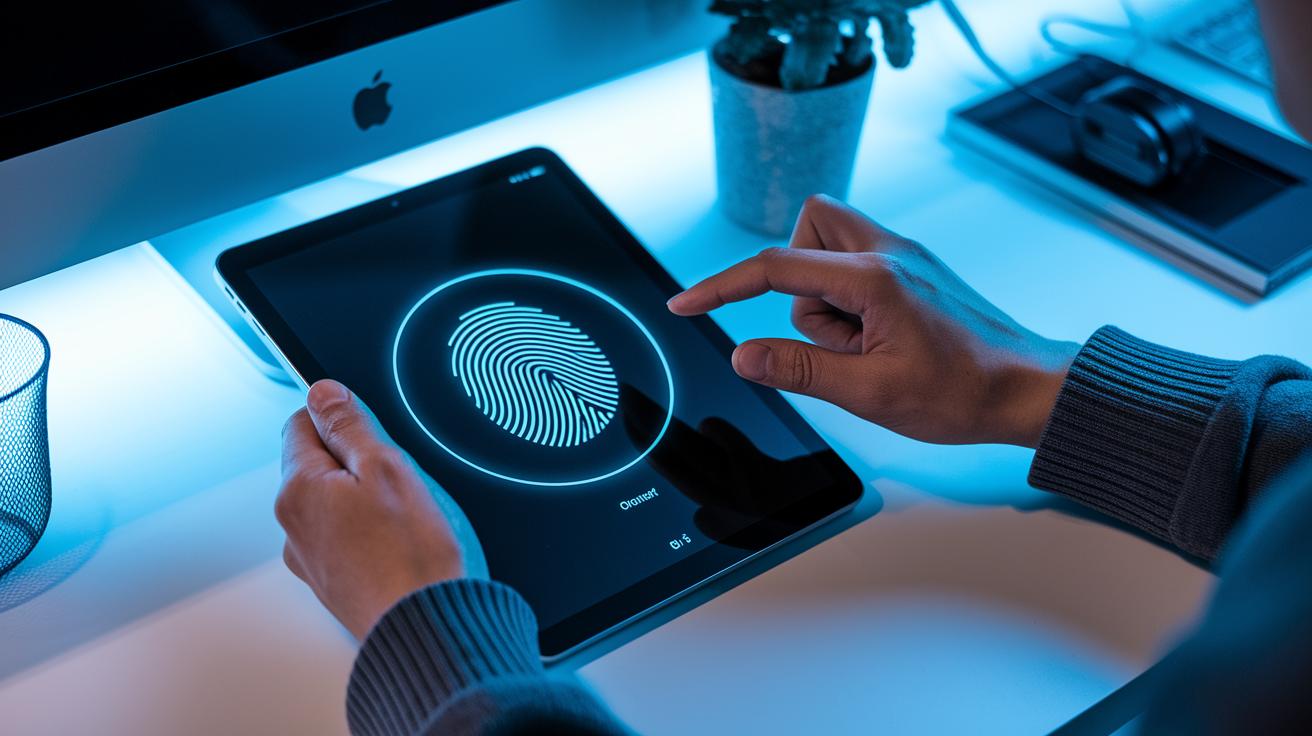
Biometric systems are an easy and strong way to verify your identity by using unique traits like the way you look or act. They mix speed, security, and simplicity in a way that far beats using just passwords.
Fingerprint Scanning
Fingerprint scanning checks the unique ridges on your finger to confirm who you are. It’s as simple as a tap, and it’s very dependable with almost no chance of mistakes. Imagine it as pressing a special button that only you can press.
Facial Recognition
Facial recognition carefully reviews key features of your face to identify you. Sometimes, the lighting or the angle you’re in can change how well it works, like how a sunny day or a dim room might influence the result. Still, it’s a favorite for unlocking phones and securing entries.
Iris Recognition
Iris recognition inspects the colorful ring around your pupil. It’s highly accurate, almost like a camera that examines the tiny details in your eye with impressive clarity, making it ideal for places that need top security.
Voice Identification
Voice identification listens to the unique patterns of your voice. It performs well in quiet spots, but loud background noise might cause hiccups. Think of it as your voice being the key that opens up your secure data.
Behavioral Biometrics
Behavioral biometrics looks at how you move, type, or interact online. Although it requires extra technology, it continuously monitors your behavior to add an extra shield of security, a bit like having a silent guard watching over your every step.
| Method | Accuracy | Common Use Cases |
|---|---|---|
| Fingerprint Scanning | Very High | Smartphone unlocking, secure entry |
| Facial Recognition | Moderate to High | Mobile devices, surveillance systems |
| Iris Recognition | Very High | High-security areas, corporate access |
| Voice Identification | Moderate | Call centers, remote verification |
| Behavioral Biometrics | High | Continuous monitoring, fraud detection |
Biometric Authentication Versus Traditional Passwords and MFA
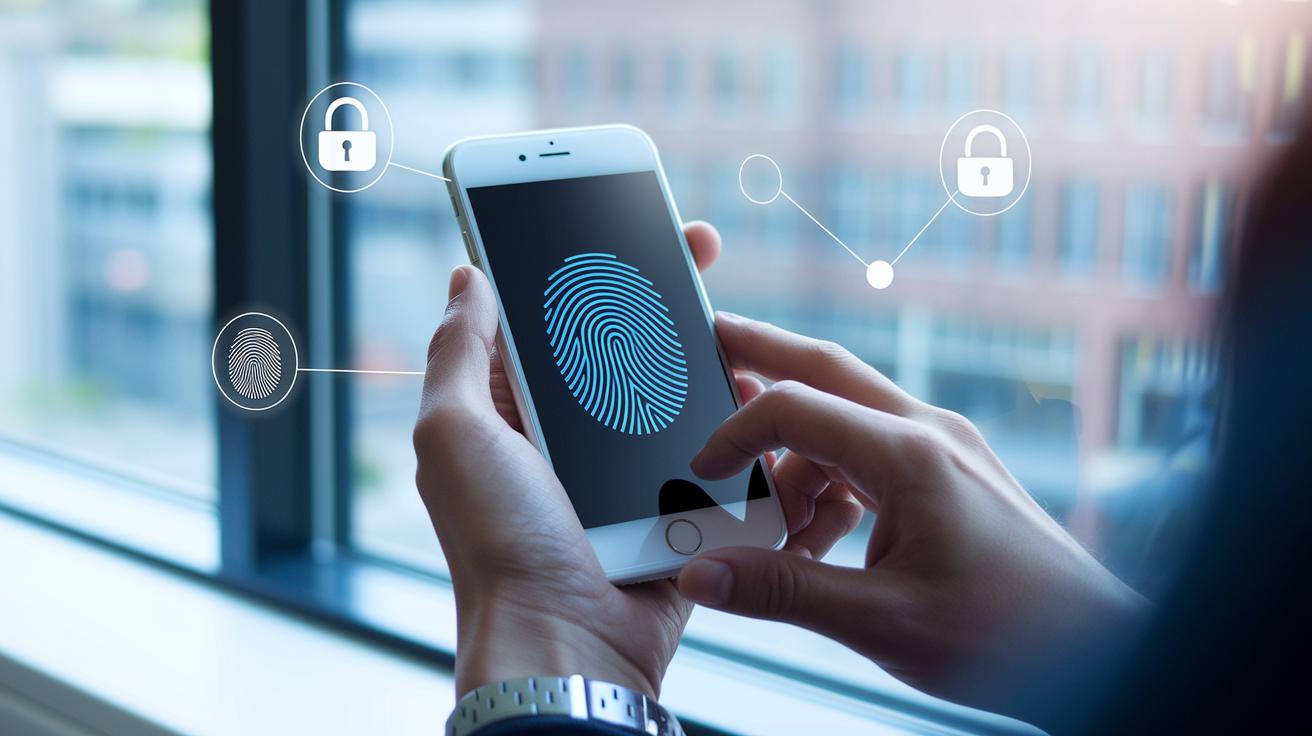
Passwords and SMS codes just aren’t cutting it anymore. They leave your account open to attacks, and text-based methods are prime targets for phishing scams. In 2023, hackers used 29 different malware families to hit 1,800 banking apps across 61 countries, an eye-opener showing that old-school credentials just don’t work like they used to.
Biometric security builds on what we learned here. Instead of relying on texts or codes, it uses your unique physical traits, like your fingerprint or face, to prove it’s really you. This kind of check makes it much harder for attackers to sneak in.
Passwordless methods also give you a smoother, more secure experience. Switching from outdated systems to new fintech solutions, like those described in “what is fintech” (https://teafinance.com?p=170), means less hassle for you and tougher defenses against bad actors.
Real-World Case Studies of Biometric Account Security
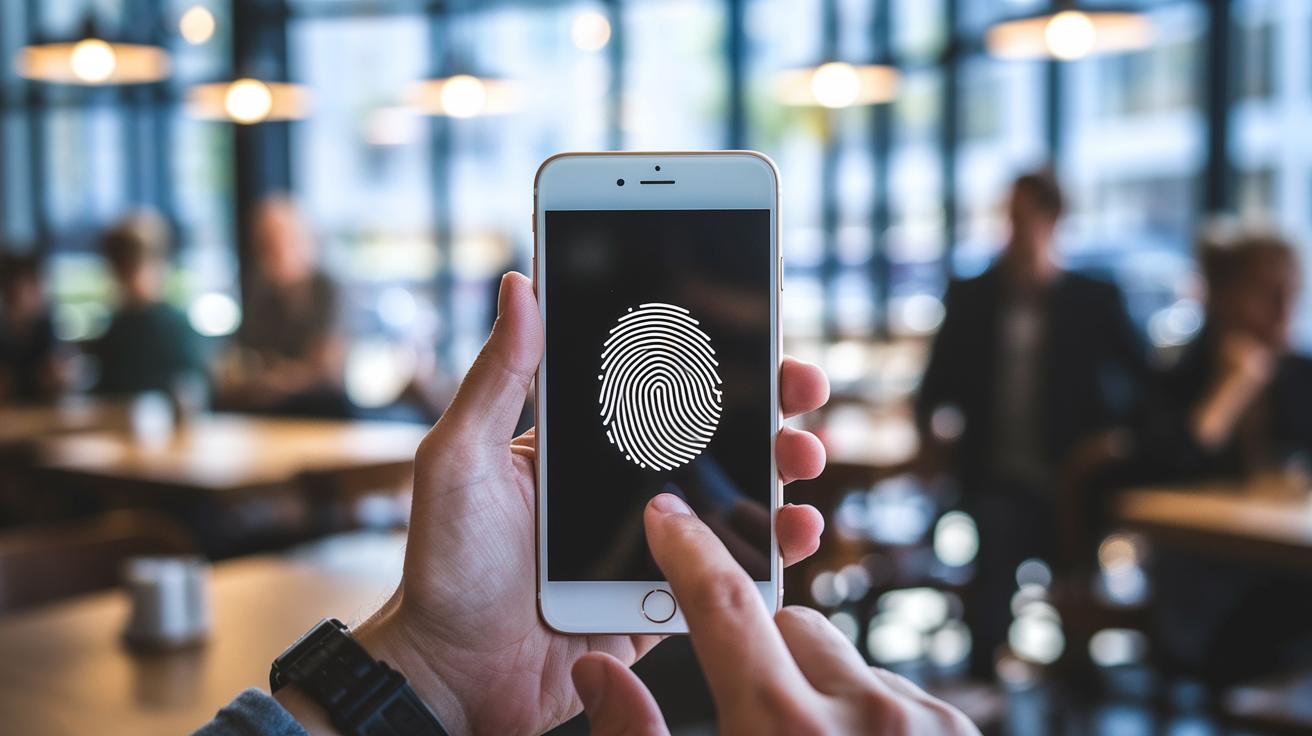
Smartphone owners are loving fingerprint and face scans. In fact, over 90% of phones in 2023 came with these features. Imagine grabbing your phone off a busy table and unlocking it with a quick tap or glance. No more searching for passwords.
Banks are trying out voice checks in call centers to keep things secure. In some tests, using your voice to verify identity cut fraud by nearly 80% (fraud means tricks to steal money). Picture calling your bank and having your natural voice confirm your identity while the process stays speedy.
Big companies are also raising their security game by using iris scanners at their data centers. It is much like using a high-security vault door instead of a simple lock, with every entry double-checked to keep data safe.
Airports have started using iris scans at checkpoints to move passengers along quickly while keeping everyone secure. Think of a fast scan at the terminal that not only speeds up travel but also keeps security tight.
For smart home gadgets, biometric gateways act as watchful guards. These systems make sure that only approved users can access the devices, giving you real-time control in a very secure smart environment.
biometric authentication for enhanced account security rocks
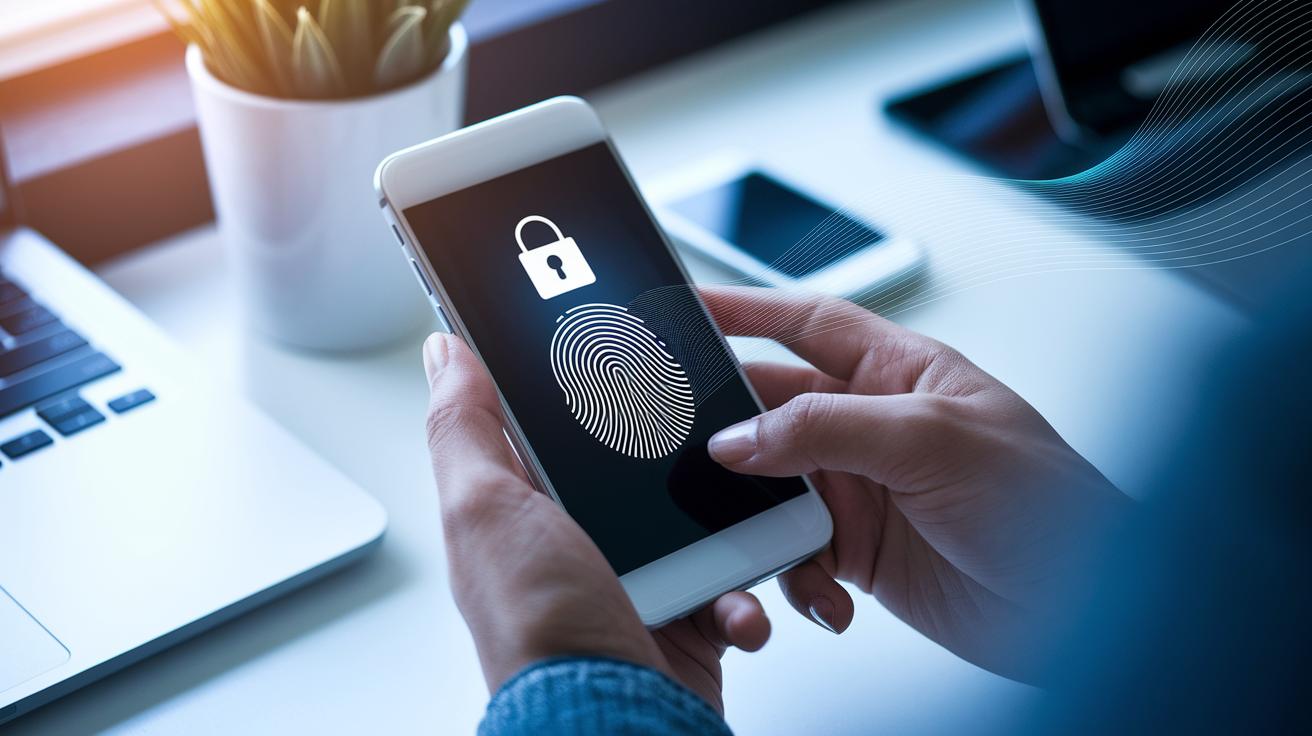
When you set up biometric authentication, secure enrollment methods and template hashing work together to convert raw data into a locked-down template, much like turning a handwritten note into a secret code that only your device can understand. This clever process keeps your private details safe and minimizes the chance of them being misused.
Every bit of biometric data is wrapped in end-to-end encryption (a way to keep data safe) as it moves from your sensor to our servers. It acts like locking your account information in a digital safe, ensuring that no unauthorized eyes can peek at it. For more on this, check out our account security page.
Making sure that your sensor works hand-in-hand with the cloud is really important. Regular sensor calibration and device compatibility tests help keep both hardware and software perfectly in sync, cutting down on mistakes and ensuring that only the true user gets through. It’s a bit like syncing your favorite music across all your devices, simple and smooth.
Following global rules like GDPR, CCPA, and ISO/IEC 30107 is essential for today’s biometric systems. These guidelines tell us exactly how to handle and store your data safely. By weaving this regulatory know-how directly into the design, our experts ensure that everything runs reliably while your privacy stays protected, making biometric authentication a rock-solid part of keeping your account safe.
Addressing Privacy and Security Challenges in Biometric Systems
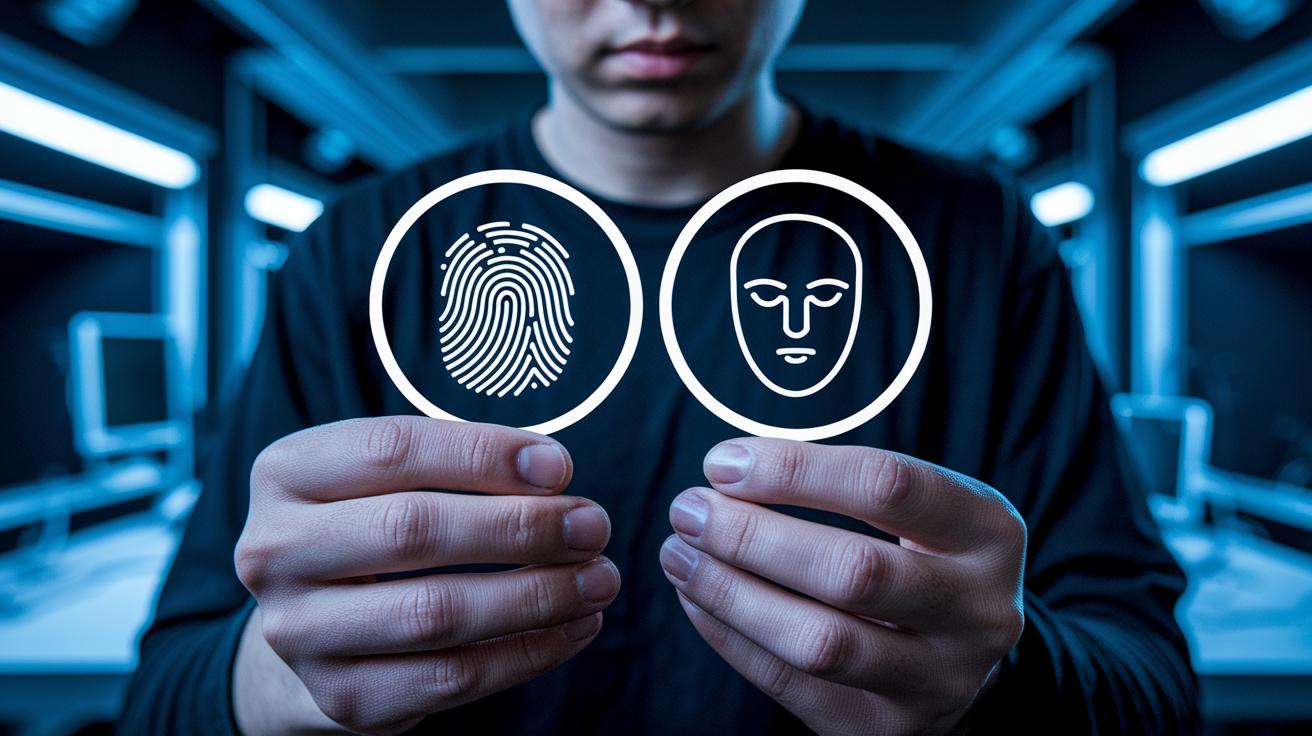
Biometric systems come with their own set of privacy worries because, unlike a password, you can’t just change your fingerprint or face scan if they get stolen. When a data breach happens, it can be really harmful if someone grabs your unique physical details. Even with tight security in place, there’s always a chance someone might fool the system using fake fingerprints or high-quality photos. Some methods are more reliable than others; for example, fingerprint scanners have an error rate below 0.1%, while facial recognition might hit around 1%. This means that sometimes the system might mistakenly let in an unauthorized person or block someone who should have access.
To tackle these challenges, systems are now using smarter ways to check risk that adjust instantly if something seems off, kind of like a security guard who becomes extra alert when things get busy. Along with this, experts have put together a collection of steps to protect your privacy and boost security:
- Encrypted biometric templates (scrambled data to keep it private)
- Real-time liveness detection (verifying that a real person is present)
- Regular vulnerability checks
- Risk scoring that adapts with the situation
- Cryptographic methods designed to protect privacy
- Clear processes where users give their permission
These practices work together to lower the risk of data getting into the wrong hands while making sure the system stays easy and smooth to use.
Future Trends and Innovations in Biometric Account Security
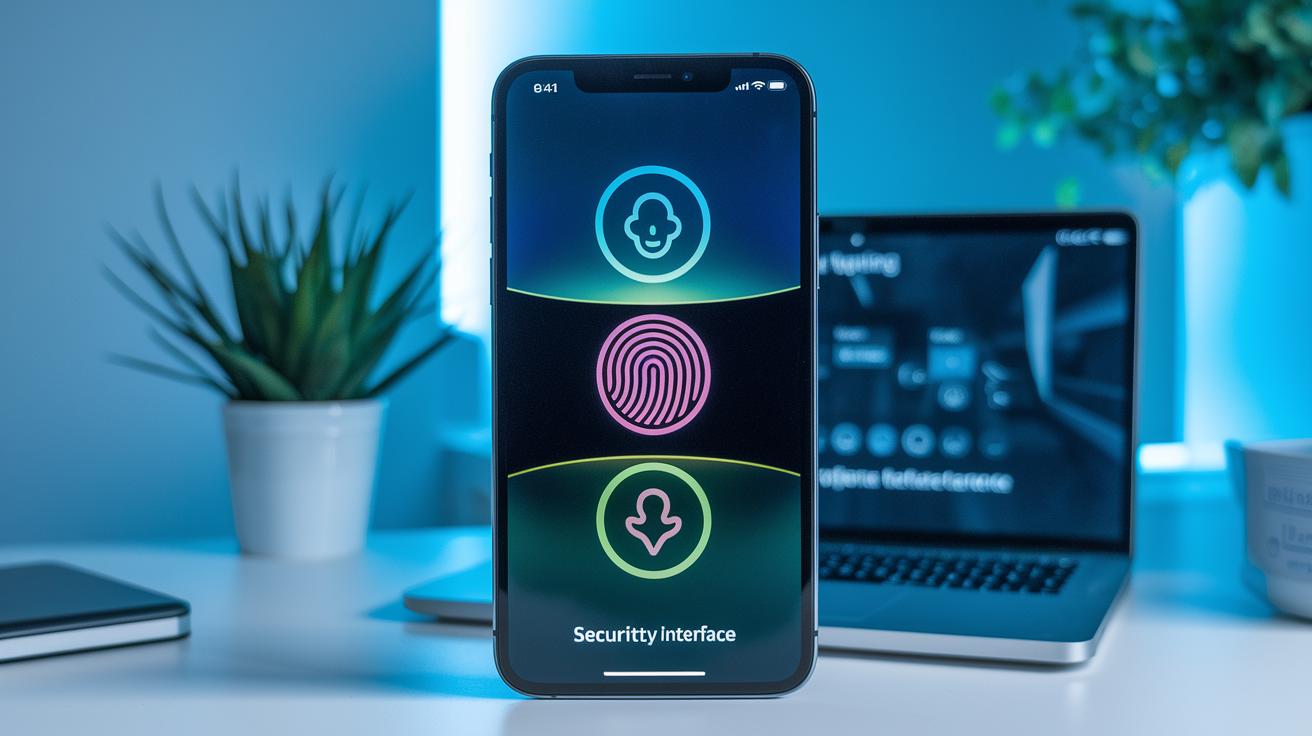
AI and machine learning are boosting biometric systems by making them smarter at matching your unique features and stopping fake attempts. It’s a bit like your phone or computer learning to know you better, even if the lighting isn’t great or you’re rushing. These smart tools work like a trusty friend, checking your identity with sharper focus and reducing the chances for mistakes.
New systems now mix fingerprint, facial, and behavior checks to build up stronger security. Continuous authentication keeps an eye on what you're doing in real time, much like having a quiet guard making sure only you get in. This approach smooths out the bumps in login steps, making the process feel as familiar as a friendly handshake.
Cloud-powered biometric systems are changing the way we do identity checks by running on networks that can easily grow. As rules change to better protect privacy and handle data across borders, these modern tech systems set the stage for safe and easy verifications. This mix of new login methods with strong cloud backup gives us a sneak peek into a future where security and simplicity go side by side.
Final Words
In the action, the article showed how biometric authentication secures user accounts. It explained unique traits like fingerprints and facial features that beat old-fashioned passwords. The post shared key facts from 2023 and real-world examples from mobile devices to enterprise systems. It also detailed smart strategies for implementing secure, data-protected tethers. With biometric authentication for enhanced account security at its core, every step feels more robust and reassuring. Overall, these insights aim to bring you closer to smart and safe fund management.
FAQ
How does biometric authentication for enhanced account security online work?
Biometric authentication for enhanced account security online means using unique physical traits like fingerprints or facial features to confirm your identity. This method makes unauthorized access much harder.
What does the cost of biometric authentication for enhanced account security include?
Biometric authentication for enhanced account security cost covers expenses like installing and integrating the system. Although costs vary, it often pays off by reducing fraud and support expenses over time.
What was the state of biometric authentication for enhanced account security in 2022?
Biometric authentication for enhanced account security in 2022 saw wider adoption as companies used physical traits to guard accounts, greatly reducing unauthorized access risks compared to traditional methods.
Is biometrics the least secure form of device protection?
The idea that biometrics is the least secure form of device protection is misleading. When applied properly, biometrics relies on unique physical traits that are very hard for intruders to imitate, enhancing overall security.
What does Okta biometric authentication offer?
Okta biometric authentication integrates unique physical identifiers with identity management, giving users a secure way to sign in while reducing the risk of unauthorized entries.
What are the potential limitations or challenges associated with biometric verification?
Potential limitations with biometric verification include risks like spoofing and sensor errors. However, adding measures such as liveness detection and regular updates can help address these challenges.
How does an Okta Security key compare with a biometric Authenticator?
Okta Security key or biometric Authenticator gives users options for verifying identity. Both add a layer of physical confirmation, with each method offering its own balance of ease and protection.
What is biometric authentication in mobile devices?
Biometric authentication in mobile devices means using features like fingerprints or facial recognition to quickly and securely verify a user’s identity, making mobile access both fast and safe.