
Digital
Digital Banking In Us: Bold Innovation Thrives
Digital banking in us reshapes financial routines with smart mobile tools and fresh tech, leaving us wondering what awaits next...

Ever thought banking could be as simple as sending a text? In the US, digital banking is shaking things up in a big way.
Most folks now use digital tools every day, almost like scrolling through a social feed where you see your bank balance and updates in real time. Transactions are smooth, and you get alerts the minute something happens (alerts are quick messages that keep you informed).
Banks are pouring resources into secure systems so that handling money is not only faster but also safer. It's a wave of bold innovation that brings new, easy ways to keep track of your funds, making managing your money feel as natural as chatting with a friend.
Transforming Finance: Digital Banking in the US Today
Digital banking has totally changed the way millions of Americans manage their money. In fact, more than 80% of users, especially younger people like those in Gen Z, choose digital banking every day. Mobile banking makes life easier; you can deposit funds online, send money instantly, and check your earnings, savings, and spending in real time. Picture it like tapping through a digital photo album to see your balance.
This fast change means digital banking is now the go-to for handling money. More banks are realizing that online services work best for today’s lifestyle by giving you 24/7 access to your money. You can make transactions whenever you need, without the delays of stepping into a branch. As a result, traditional banks are now keeping their physical locations for more complicated tasks while shifting everyday chores online.
Banks are pouring investments into secure digital systems that bring both ease and strong protection. These secure systems (methods that keep your data safe) include real-time tracking and automatic alerts that help you monitor your spending and catch problems early. Faster processing and clear overviews of your finances create a smooth, user-friendly experience. Every tap and swipe shows how US digital banking continues to innovate and redefine money management.
This big move toward digital platforms not only hits the mark for what consumers want, it also sets the stage for a cashless society. You can take care of your banking tasks anytime and anywhere, making banking more efficient than ever.
US Digital Banking Trends and Adoption Statistics

Digital banking is taking off in the US. Worldwide, there are about 1.75 billion digital banking accounts handling roughly $1.4 trillion each year. That works out to nearly $2.7 million moving through these accounts every minute. It’s pretty amazing and shows how our daily money habits are shifting with the rise of mobile services.
By 2024, about 65% of online adults in the US expect to complete any financial task using a mobile app. This high rate clearly shows that everyday banking isn’t about visiting physical branches anymore. Instead, people enjoy the ease of digital channels to deposit funds, transfer money, or keep an eye on their earnings anytime they want.
Market forecasts add even more confidence to this trend. Experts say the US digital banking market could generate $1.61 trillion in net interest income by 2025. With a steady annual growth rate of 6.8%, this figure might reach $2.09 trillion by 2029. These numbers really show that consumers trust digital platforms for handling their financial needs.
| Region | Mobile Task Completion Rate |
|---|---|
| Australia | 73% |
| UK | 68% |
| US | 65% |
Comparing Digital and Traditional Banking Models in the US
Digital banking in the US has totally changed how we manage our money. You can access your funds any time, day or night. Whether it's transferring funds automatically or setting up recurring bill payments, everything runs smoothly on your phone. It’s much like setting an alarm; you know your payments are handled without any extra effort.
Traditional branches are still important for those trickier, more complex transactions. But for everyday tasks like checking balances, making transfers, or paying bills, digital banking takes care of it quickly and conveniently. Imagine needing a balance check, rather than waiting in a line, you just tap your digital app and get the info right away.
Digital banking uses smart automation to cut back-office costs by as much as 70%. This not only saves banks money but also means faster service for you. Many banks have restructured their operations, closing some branches and shifting routine tasks online. In the end, digital banking isn’t just a modern convenience, it’s a reliable system that makes managing your money easier.
If you want to dig a little deeper, check out “Digital banking vs traditional banking” at https://teafinance.com?p=277. This resource explains in plain language how everyday digital tasks compare to the more involved services at traditional branches. With round-the-clock accessibility and efficient automation, it’s no wonder more people are choosing the digital route.
Innovations Driving US Digital Banking Experiences
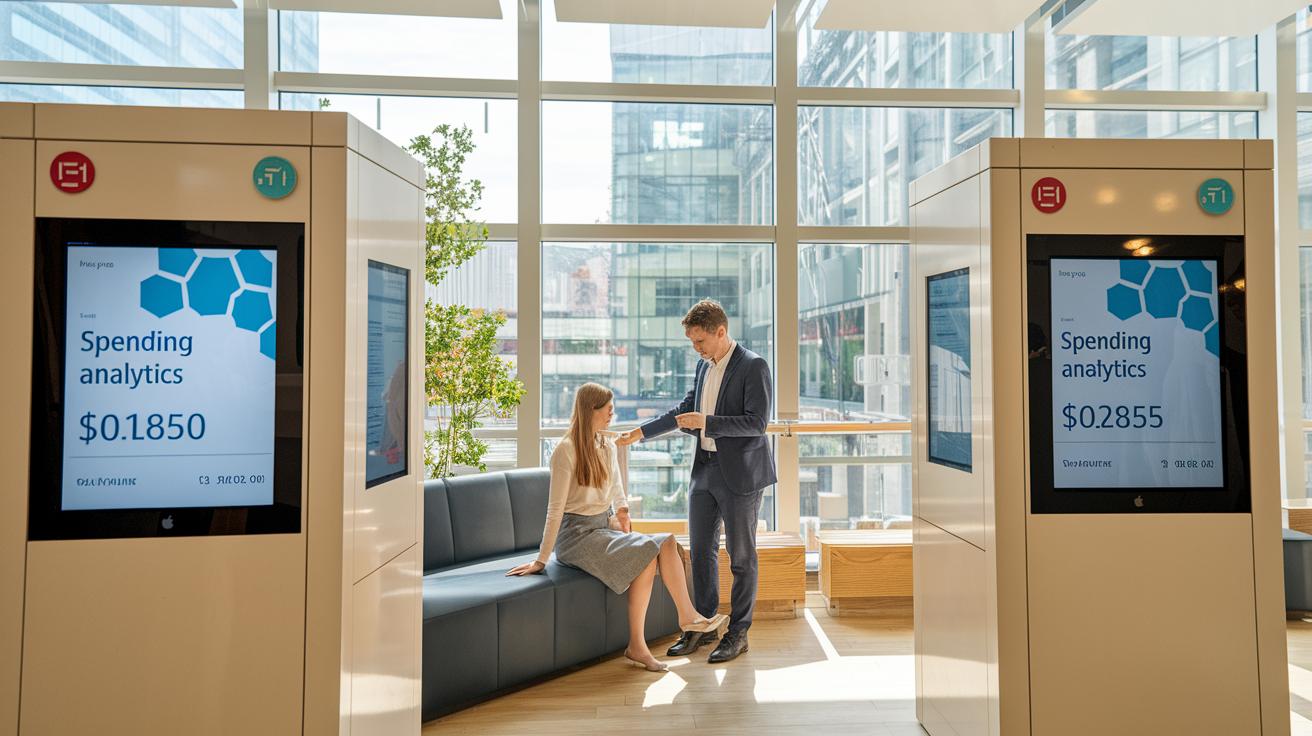
US digital banking is changing thanks to some really cool new technology. Banks are now using smart systems that learn your spending habits to help you manage money better and spot fraud quickly, kind of like having a friend who watches out for you. These systems, using AI (intelligent computer programs that learn from data), even offer simple tips on how to budget without overwhelming you.
Over 65% of banks in the US are exploring modern core platforms that work in real time. Think of it like having a dashboard that helps predict what might happen next by looking at data, much like checking the weather before you head out. Some banks are even testing ways for the system to handle payments on its own, ensuring transactions go smoothly while keeping your info safe.
Blockchain technology is also stepping in to safeguard your transactions. Imagine every move you make recorded in a clear, trackable line, this way, there’s a built-in check against any sketchy business. Plus, when combined with secure logins that use things like fingerprints, it becomes even tougher for anyone to get into your account without permission.
Another exciting development is in payment processing, as seen at recent financial events in Singapore. New tech makes everyday tasks, like sending money or managing digital wallets, feel as easy as a friendly chat over coffee. It smoothly blends smart analytics with a user-friendly interface, so managing your money feels both relaxed and secure.
At the end of the day, these innovations aren’t just fancy tech; they’re designed to make banking personal, secure, and reliable every time you log in. The future of US digital banking is not only smart, it’s made just for you.
Security and Regulation of US Digital Banking Platforms
US digital banks are watched over by strict rules that help prevent fraud and keep your information safe. They follow guidelines like AML (anti-money laundering, which stops money from being used illegally) and KYC (know your customer, which verifies who you are) to secure every transaction. These rules build trust and ensure that digital banking in the US stays secure.
Big names like Apple and Google are joining digital finance, so regulators are updating laws to cover these new services. The rules around the world don’t line up perfectly, which can make moving money between countries a bit tricky. Recent changes in the laws have sparked fresh ideas on how to monitor online banking and protect your data. Banks are constantly tweaking their systems to keep up with these ongoing changes.
Cybersecurity in banking is moving at lightning speed. Banks now use smart tools that feel like digital alarm systems, alerting them to any odd activity before it turns into a big issue. These modern monitoring tools add a layer of safety that helps you feel secure every time you manage your finances.
Following the rules remains a top priority in fintech. With new regulations in play, banks are also using risk management techniques (ways to handle and reduce potential risks) to keep their security measures strong and make sure you always feel safe when you log in.
Digital Banking in US: Bold Innovation Thrives

US digital banking is growing fast and changing the way we handle money. These platforms offer friendly online tools that let you pay bills, transfer funds, and set up automatic savings. They mix the quickness of mobile payments with easy-to-use apps so you can manage your cash without ever going to a bank.
Nonbank providers like PayPal, Google Pay, and Apple Pay make digital wallets and let you send money to friends in a flash. It's as simple as sending a text message, imagine paying for groceries or splitting a bill with just a few taps. Really cool, right?
Then there are neobanks such as Chime and Varo. These services work entirely online, which means no extra fees like the ones you might see at a regular bank. With fee-free accounts, real-time alerts, and smart auto-saving features, you always know where your money is. It almost feels like having a personal money helper in your pocket.
Many companies use clever white-label digital banking software to build and improve their apps quickly. This means you get a customized experience with secure features (like encryption, a way to keep your data safe) and simple account management. Whether you’re using a digital wallet, sending money to someone, or watching your savings grow, these services make your financial life smoother and more connected.
| Platform | Type | Key Features |
|---|---|---|
| PayPal | Nonbank Provider | Digital Wallet, Peer-to-Peer Transfers |
| Google Pay | Nonbank Provider | Digital Wallet, Quick Payment Processing |
| Apple Pay | Nonbank Provider | Digital Wallet, Biometric Authentication |
| Chime | Neobank | Fee-Free Accounts, Real-Time Alerts, Automated Savings |
| Varo | Neobank | Fee-Free Accounts, Instant Notifications, Auto-Saving Tools |
Future Outlook for Digital Banking in the US
New rules are pushing US banks to tighten up on data safety and clear communication. One bank, for example, recently started using better encryption (a way to keep data safe) after new guidelines made it clear that consumers deserve strong data rights.
Both traditional banks and fintech startups are now in a friendly race to offer secure, easy-to-use services. Think of a leading bank that rolled out a mobile-focused service. They use fingerprint checks (biometric verification means using your fingerprint to confirm your identity) along with smooth, humanlike customer support, helping people feel more secure and confident.
US banks are also trying out fresh business models that blend reliable personal support with smart digital tools, all while meeting new rules and evolving to fit customer needs.
Final Words
In the action, we explored how digital banking in us is reshaping everyday money matters. We saw the shift from physical branches to secure, always-on platforms that support real-time tracking and smart, automated transactions. The post highlighted key trends, emerging tech changes, and tighter security measures that protect your data while offering flexible financial tools. Every section reminds us that managing funds can be both safe and straightforward. Keep moving forward with confidence in your secure financial future.
FAQ
Q: What does a digital banking in the US PDF typically include?
A: A digital banking in the US PDF outlines key trends, account statistics, and features that modern apps use to make money management simpler and more secure.
Q: What types of digital banking are available in the US?
A: Digital banking in the US includes mobile apps, online platforms, digital remittance services, challenger banks, and traditional banks that have robust digital offerings.
Q: How can foreigners access digital banks in the US?
A: Digital banks in the US often offer online account registration and verification, allowing foreigners to access secure banking services and manage finances via user-friendly apps.
Q: How do I download and log in to the Bank of America mobile banking app?
A: The Bank of America mobile app is available from official app stores. Once downloaded, use your secure login credentials to access features like transfers and real-time account updates.
Q: What are some of the largest digital banks in the US?
A: Leading digital banks such as Chime and Varo provide full digital services with user-friendly interfaces, streamlined transfers, and fee-free experiences that attract many modern consumers.
Q: What are digital business bank accounts?
A: Digital business bank accounts let companies handle finances online with features like electronic deposits, real-time tracking, and smooth management of payments without needing a physical branch.
Q: Which free online banking apps work well on Android?
A: Many free online banking apps for Android offer secure transfers, real-time notifications, and easy account management, making daily financial tasks simple without any extra fees.
Q: Which digital banks are highly rated and what does SoFi offer?
A: Consumers often praise digital banks such as Chime, Varo, and SoFi. SoFi mobile banking provides modern budgeting tools and fee-free transfers, offering a convenient way to manage money on the go.
More from Politics
 Trends
Insurance Financial Trends: Bold Market Optimism
 Digital
Open Banking And Digital Banking Convergence: Bright Promise
 Risk
Correlation Breakdown And Portfolio Risk: Robust Outlook
 Tech