Digital
Digital Banking User Experience Sparks Joy
By bentonaustin
December 15, 2025
Field Notes

Ever wonder if sending money could be as easy as checking your phone? Digital banking brings everyday tasks right to your fingertips, like having a bank in your pocket. Each time you tap, you feel reassured by secure, smooth steps that make managing cash simple and real.
Imagine skipping long lines at a branch for a process as quick as clicking through your favorite app. It makes handling money not just faster but gives you a little boost of joy every time you use it.
Digital Banking User Experience Sparks Joy
Digital banking gives you online and mobile ways to manage your money no matter where you are. It’s like having a mini bank right in your pocket, checking your balance, paying bills, and even handling investments is now just a tap away.
This digital shift happened when old-fashioned banks couldn’t keep up with our need for fast, safe, and convenient services. Now, checking your money online feels as easy as glancing at your weather app. Ever get that reassuring feeling when everything just works?
Next, digital banking is built on some key features:
| Feature | What It Means |
|---|---|
| Ease of use | Everything is clear and simple, just like using your favorite app. |
| Robust security | Your data is protected with strong safeguards (like encryption, a way to keep data safe). |
| Fast performance | Everything loads quickly, so you aren’t kept waiting. |
| Personalization | Your experience is tailored just for you. |
| 24/7 availability | You can access your financial info any time of day or night. |
| Consistent visual identity | The design remains familiar across every device. |
| Cross-device consistency | No matter where you log in from, your experience stays reliable. |
All these features work together to create a seamless experience. Whether you’re checking your balance on a smartphone or scheduling a payment on a tablet, every tap and swipe feels natural. Picture the smooth click of a secure login or the reassuring buzz of a real-time alert. This blend of simplicity and strong security isn’t just about meeting today’s needs, it’s meant to spark genuine joy in every interaction.
Interface Design Principles for Digital Banking User Experience
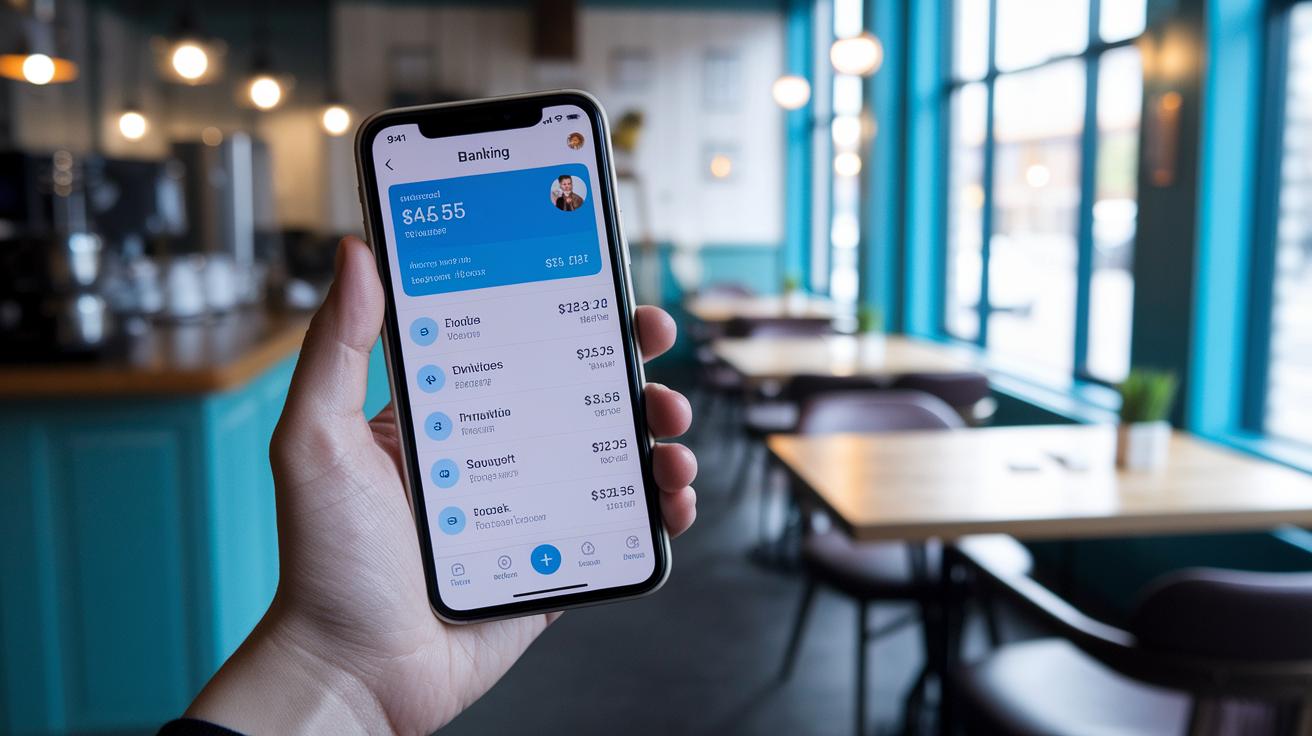
A steady, consistent design makes banking apps feel safe and easy to use. When every screen follows a familiar style, it’s like walking into a friendly store where you know exactly what to do. Simple, uncluttered screens with clear buttons and menus help you focus on your money. It’s a bit like checking the weather on your phone, everything is right where you expect it to be.
Leveraging Psychological Laws
Designers can make apps even more inviting by using ideas from psychology. For example, Jakob’s Law tells us that people love familiar layouts, so if you see what you expect, things feel right at once. Hick’s Law suggests that fewer choices make it easier to decide what to do, limiting options means you spend less time wondering what to tap. And using Gestalt principles means grouping similar items together, which makes the app feel well-organized and friendly. These ideas all help create a banking app that feels natural, calm, and easy to navigate.
Implementing Design Systems
A modular design system works like a recipe that keeps every part of your banking app in harmony. Every button and screen follows the same clear rules, which speeds up development and gives you a smooth, connected experience. Knowing exactly where to find what you need helps you feel more secure and in control of your finances. It all adds up to turning everyday banking into a clear and enjoyable experience.
Mobile Bank App UX Optimization for Digital Banking User Experience
These days, we all expect our bank apps to work quickly and easily. We want to open new accounts in a flash, send money with just a couple of taps, and handle our finances as fast as scrolling through our favorite social feed. Features like automatic bill payments, built-in card controls, and instant alerts turn everyday banking into a breeze.
Every screen adapts perfectly, whether you're on a smartphone, tablet, or another device. Simple swipes and pinches guide you naturally through your app, making it feel like you're really in charge of your money.
| Feature | Benefit |
|---|---|
| P2P/A2A Transfers | Send money instantly |
| Scheduled Payments | Set up bills automatically |
| Digital Card Controls | Control spending and block cards when needed |
| Real-Time Alerts | Get instant updates on your account |
| PFM Dashboards | See spending and savings in clear visuals |
| Gesture Controls | Navigate easily with swipes and pinches |
Developers work hard to keep these apps smooth and stress-free. They make sure load times are short and actions like tapping or swiping feel natural. It’s like tuning up your bike so every ride is easy and enjoyable.
With fast speeds and layouts that adjust seamlessly between devices, managing your money on the go feels both secure and fun. Isn’t it reassuring to know that every tap helps keep your financial world running effortlessly?
Security and Trust in Digital Banking User Experience

Digital banking works best when it keeps your accounts safe without any fuss. Modern banks set up secure login steps so you feel confident every time you sign in. They mix passwords with a one-time passcode (a temporary code sent to your phone) and even use your fingerprint. This mix (called multi-factor authentication) makes sure only you can see your money while meeting tough data safety rules. For extra details, you can check out this link: Password Management For Account Security Empowers Strong Safety. Friendly, clear instructions, like easy steps if you ever have trouble logging in, help build trust straight away.
You’ll also get real-time alerts to keep you in the know about your account. Imagine getting a quick tip when a transaction happens or an instant alert if something seems off. Some banks even use smart computer programs (machine learning, which is a way for computers to learn from data) to spot potential fraud right away. If you’re curious about how that works, have a look at Machine Learning for Fraud Detection in Banking. These early warning tools work together to keep each transaction both safe and smooth.
Every tap and swipe in your banking app feels secure because of constant monitoring and easy recovery steps. With features like a smooth, secure login and quick fixes if something goes wrong, banks create a comfort zone that makes you feel protected from start to finish. This blend of rigorous data protection with a user-friendly experience shows that keeping your money secure doesn’t have to be complicated.
Personalization and Customer Journey Mapping in Digital Banking User Experience
Digital banking now feels like every step has been designed just for you. Banks offer alerts, flexible spending limits, and suggestions based on your habits. It’s much like having a personal financial guide right at your fingertips, someone who really gets what you need every day. They even add little extras like cashback, vouchers, and rewards for telling your friends, which shows they truly care about every customer. This kind of personal service turns everyday money tasks into moments of real satisfaction and keeps you coming back.
Next, banks map out every part of your journey to make sure everything runs smoothly. They look closely at each spot where you interact, whether you’re opening a new account online or checking your monthly spending. By talking with users, sorting through ideas, and testing how things work, they find any bumps in the road. Then, using your feedback right away, banks can quickly change things like app layouts so everything feels just right and supportive. It’s a bit like fine-tuning your favorite song.
Additionally, self-service tools like chatbots and voice assistants give you even more control over your finances. With a friendly guide ready to help you check your balance or manage a payment, you learn as you use the app. You might see a tip pop up, saying, “Set a spending limit to keep your budget on track.” Through these smart features and careful mapping of your journey, every click turns into a step toward a better financial future, making you feel secure and in command.
Trends and Innovations Shaping Digital Banking User Experience

Digital banking isn’t just a trendy phrase anymore, customers now expect smooth online access whenever they need it. Everyday banking has to be fast, simple, and safe (that’s a way to keep your details protected). It’s like getting the smooth click of a secure login every time you check your account. Banks are quickly adopting new technology to keep up, and features like real-time assistance and self-help options have changed the way we think about banking, making everything feel instant and personal.
Today, fresh ideas are transforming how people use their financial apps. Here are some trends to keep an eye on:
- AI-driven chatbots: These smart helpers answer your questions quickly and guide you through banking tasks.
- Voice assistants: Imagine handling your finances just by talking, hands-free and convenient.
- Gamified savings challenges: Think of it as a fun game that helps motivate you to save money.
- Context-aware notifications: Alerts that change based on what you’ve been up to, keeping you in the loop in real time.
- IoT integrations: Picture smart devices that connect to your app, making bill payments and other tasks a breeze.
Looking ahead, banks are focused on creating systems that grow with your needs. They’re investing in special neobank platforms that let them launch cool new features fast. This forward-thinking approach pairs real-time support with flexible design, ensuring that every update not only meets your needs today but also paves the way for tomorrow’s innovations.
Performance Metrics and Usability Testing for Digital Banking User Experience
When we set up a way to measure how people use digital banking tools, we’re creating a clear path to understanding their experience. One common method is the UXDA Value Pyramid. This tool breaks a digital product into parts like how it works, how easy it is to use, its look, its status, and its overall purpose. It shows teams exactly where things can be improved so that everyday banking feels smoother and more secure.
Key performance indicators, or KPIs (which are simple metrics that tell you how well something is working), are crucial for knowing if you’re succeeding. Think of five main markers: task completion rate, error rate, time on task, net promoter score (NPS, or how likely someone is to recommend the service), and customer satisfaction (CSAT). For example, the task completion rate tells you the percentage of users who can finish a task without help, while the error rate lets you know how often problems pop up. Time on task shows how long it takes to complete a process, and NPS and CSAT give instant impressions of how users feel about the service.
On top of these numbers, qualitative techniques add a personal touch. Methods such as ethnographic studies (observing users in real life), user interviews, card sorting, tree testing, and A/B tests help uncover the little bumps in the road. These tools explain why someone might leave a task midway or take a long pause during an activity.
Mixing detailed analytics into every stage of development keeps things steadily improving. For instance, banks can look at conversion funnel analysis (which tracks where users drop off) and then use ongoing tweaks based on dashboard data and direct user feedback. This approach makes it easier for them to enrich their digital platforms, ensuring that every interaction feels both satisfying and secure.
Final Words
In the action, we explored digital banking user experience through its core components, intuitive design principles, mobile optimization, and steadfast security measures. We covered personalization, customer journey mapping, emerging fintech trends, and performance metrics that fine-tune every user touch. This discussion broke down how smart, secure online finance interface solutions can transform the way you handle money. It’s all about creating a seamless and engaging digital banking user experience that helps you feel confident about your financial path. Here’s to smarter, safer money management ahead.
FAQ
What are the 5 types of digital banking?
The five types of digital banking can be categorized as digital-only banks, hybrid banks, mobile-focused banking, neo-bank platforms, and fintech partnerships delivering innovative financial services for user convenience and security.
What does a digital user experience do?
A digital user experience ensures smooth, secure, and fast access to online banking services, making it simple for customers to manage their finances through clear navigation, personalized features, and reliable performance.
What does UX mean in banking?
UX in banking means designing digital tools that are intuitive and secure, so customers can quickly find information, complete transactions efficiently, and confidently manage their financial activities.
Which bank has the best user experience?
A bank with the best user experience features an intuitive design, robust security measures, and fast performance, often seen in digital-first institutions and fintech innovators that continuously improve based on customer feedback.
What is a digital banking user experience blog?
A digital banking user experience blog provides insights, trends, and practical tips for improving online finance interfaces, keeping readers informed about best practices and emerging innovations in digital banking.
What is a banking UX case study?
A banking UX case study examines real examples of digital banking design improvements, highlighting how enhancements in usability, security, and design principles lead to better customer experiences.
What are digital banking trends for 2025?
Digital banking trends for 2025 include mobile-first services, AI-enhanced security, personalized interfaces, and streamlined transactions, offering more convenient and efficient ways for customers to manage their finances.
How is the growth of digital banking measured?
Digital banking growth is measured by customer adoption rates, transaction volumes, mobile engagement statistics, and the rollout of new digital features that boost overall banking satisfaction and trust.
What is the future of digital banking?
The future of digital banking focuses on creating secure, personalized, and efficient services by incorporating innovations like AI and voice assistants, ultimately delivering more engaging and user-friendly financial experiences.
What is a banking portfolio and fintech UX portfolio?
A banking portfolio displays a bank’s range of digital services, while a fintech UX portfolio highlights creative interface designs and user experience projects that showcase advancements in financial app usability and innovation.