
Trends
Digital Finance Trends Spark Bold Innovations
Digital finance trends blend AI insights with crypto breakthroughs and mobile strategies, sparking fresh ideas that lead to an unexpected...

Have you ever thought that managing your money might be as easy as a few quick clicks? New technology is changing the world of finance, cutting out long, complicated steps and giving you clear, live updates on your money. This new way of handling finances means you can make decisions faster and feel safer when you pay, all while saving time and money.
Next, imagine a world where everyday transactions become smooth and reliable. Trends like using smart computers to tailor your service (AI-driven personalization means technology that learns what you need) and merging banking features make it feel just like chatting with a friend about your finances.
It’s exciting to see how these modern tools are turning the financial experience into one that feels both secure and reassuring.
Overview of Key Digital Finance Trends
Digital finance trends are all about using smart technology to handle money matters securely and efficiently. Imagine the smooth click of a secure login paired with clear, real-time data insights, banks and customers now have an easier time managing their finances.
Digital transformation turns long, tedious tasks into a few quick clicks. It’s like upgrading from a slow, manual process to a breezy online experience. This change not only modernizes old systems but also creates a space where security, ease, and customer care all come together.
Here are some key highlights:
- AI-driven hyper-personalization is helping cut marketing costs and boosting sales by at least 10% (that means spending smartly and earning more).
- Neo-bank markets are on the rise, growing about 46.5% a year from 2019 to 2026, with estimates reaching around USD 394.6 billion by 2026.
- Embedded finance brings banking features right into everyday apps, like those for shopping or rides, making transactions simpler.
- Blockchain and decentralized finance provide clear, secure transactions you can trust.
- Digital wallets and Central Bank Digital Currencies now let you make payments instantly, whether you're domestic or across borders.
- For example, Australia’s Clean Energy Finance Corporation helped channel over USD 37 billion in investments over the last decade.
These trends are paving the way for a financial world that’s not only quicker but also more reliable. Each change boosts the trust in digital money management, guiding us toward a future where handling finances is both simple and secure.
Artificial Intelligence and Machine Learning Trends in Digital Finance

Digital finance is changing fast because of AI and machine learning. These tools make everyday money tasks smarter and quicker. They help set up automated decisions, build better systems to spot fraud (like catching missteps before they become a problem), and create financial experiences that feel personal. For example, using AI to personalize services can boost marketing returns by up to 8 times and increase sales over 10%. Predictive analytics turns raw data into easy-to-understand trends, like reading a clear signal on market shifts in real time. And robo-advisors, which use machine learning to adjust portfolios and handle risk, feel almost like a friendly financial guide for each person. This transformation not only boosts security but also lets banks and everyday users make decisions more quickly and confidently.
| Application | Impact | Key Data Point |
|---|---|---|
| Hyper-personalization | Improves marketing efficiency and sales | 8× ROI, 10% uplift |
| Fraud Detection | Strengthens security | 33% increased interest |
| Predictive Analytics | Provides real-time market insights | Accurate forecasts |
| Robo-Advisors | Automates portfolio management | ML-driven risk profiling |
These AI and machine learning tools are reshaping the way we make financial decisions. By automating everyday tasks and offering clearer insights, digital finance becomes more secure and flexible. It’s like mixing new technology with the reliable financial advice you trust every day.
Growth of Digital-Only Banks and Neo-Banks as Digital Finance Trends
Digital-only banks, also known as neo-banks, work online without any branch locations. They offer a smooth and secure way to handle your money, using technology that makes banking feel quick and simple.
Experts expect neo-banks to really take off. Their market value soared from about USD 18.6 billion in 2018 to an estimated USD 394.6 billion by 2026. This leap shows not only that technology is moving fast but also that secure ways to handle everyday transactions are getting better by the day.
It’s interesting to see who is using these banks. More than half of Gen Z and nearly half of millennials are already on board, which shows growing trust in these online services. In the United Kingdom, usage has jumped 60% since 2021, and now even Gen X and baby boomers are joining the trend. Think of it as sharing a big meal together, young people start the spread, and older generations join in to make the experience richer for everyone.
Embedded Finance and Open Banking Trends in Digital Finance
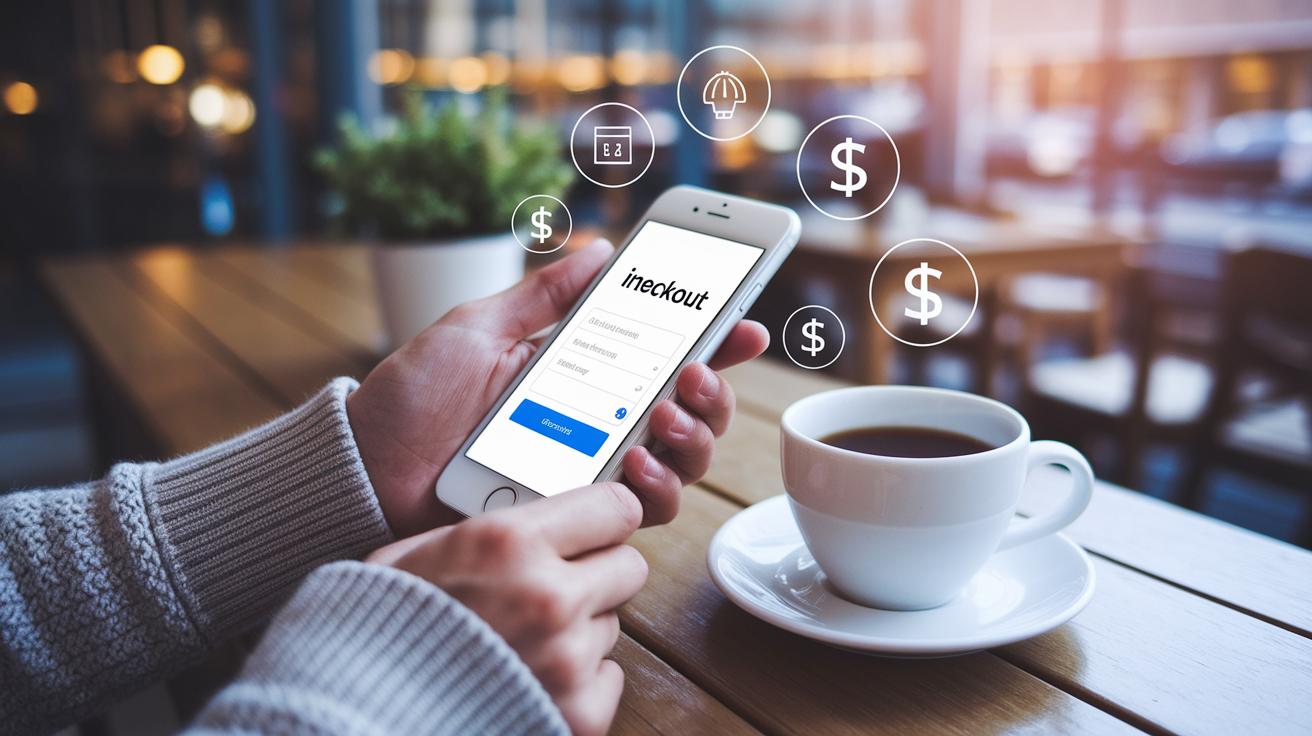
Embedded finance and open banking are all about letting everyday apps handle tasks like payments, loans, and insurance. This means you can complete your financial errands right in your favorite app, like shopping on an e-commerce site or booking a ride, without having to open a separate bank app. Imagine buying your groceries online and having an instant credit option pop up at checkout.
These new business ideas mix financial services with everyday activities to create seamless experiences. They offer things like quick checkouts, fast loan approvals, and simple in-app wallet management. Think of it as having a digital helper that quietly takes care of your money matters while you focus on what matters most.
What does all this mean for you? The whole process becomes smoother and faster, reducing the number of extra steps needed when handling money. This integrated approach not only boosts confidence but also builds a closer connection between users and the digital services they rely on every day.
Blockchain, Cryptocurrency, and DeFi Integration in Digital Finance Trends
Blockchain and decentralized finance (DeFi) are changing the way we move money. Think of it as a digital chain where every link is a secure record that anyone can check, like a trail of trusted steps. This clear view builds confidence in each transfer.
DeFi tools now let you lend, borrow, or even earn extra money through your digital wallet without relying on traditional banks. And there’s more: Central Bank Digital Currencies (CBDCs) are government-backed digital money that makes payments faster, whether you’re sending funds next door or overseas.
All these innovations are coming together to give financial services a fresh, secure makeover.
Tokenization is another exciting step where the physical and digital worlds blend. Imagine turning real-life assets into digital tokens, like NFTs or security tokens, that open up new, safe ways to invest. This approach breaks down old barriers, making owning and trading assets simpler for everyone.
With these tools, handling money online becomes faster and more secure, just like receiving a reliable, friendly handshake each time a transaction goes through.
Mobile Payment Solutions and Digital Wallet Trends in Digital Finance

Mobile payment options and digital wallets are quickly becoming the go-to way to handle money. More and more people, like 52% of Gen Z and 48% of millennials, are using digital-only bank apps. In the United Kingdom, digital bank usage jumped by 60% since 2021, showing that many are welcoming these new tools with open arms. Services like Buy-Now-Pay-Later are especially popular, millennials use these 20% more, and there’s a 17% jump among higher-income folks. Contactless payments and QR code methods make both shopping in stores and sending money to friends fast and secure.
| Payment Method | Adoption Rate | Primary User |
|---|---|---|
| Digital Wallets | 52% (Gen Z) | Young adults |
| Mobile Banking Apps | 48% (Millennials) | Millennials |
| BNPL | 20% higher usage | Millennials/High-income |
| Contactless Payments | Rapidly growing | Widespread |
People are getting really comfortable with digital payment systems that mix ease-of-use with strong security (a way to keep your information safe). A quick tap or scan is all it takes to pay, whether you’re in a store or shopping online. With benefits like speed and safety, these new options are setting fresh standards for everyday money management. Even the more cautious of us feel a boost in trust when trying out these digital solutions.
Cybersecurity and Digital Risk Management Trends in Digital Finance
Digital finance is taking security seriously by using strong anti-money laundering rules that guard client information and stop funds from being used illegally. Meanwhile, banks use real-time risk analytics (tools that check instantly for suspicious activity) to monitor transactions and catch fraud as it happens. This means every transaction gets a careful look, which really lowers the chance for mistakes or bad actors.
On another front, many institutions now use biometric methods, like a fingerprint scan or facial recognition (a way to verify who you are using your unique features), to cut down on account takeover risks. Also, new regulatory technology tools are helping simplify compliance reporting. These tools automate key tasks that used to take up a lot of time and effort.
Overall, these steps are moving us toward financial systems that are both secure and agile. By mixing fast technology adoption with careful risk management, every digital transaction feels a bit safer and a lot more reliable.
Big Data Analytics, Cloud Adoption, and Digital Wealth Management Trends in Digital Finance

Big data analytics is like the engine that helps keep today’s financial services humming smoothly. By looking at everyday details like your transaction history and online behavior, banks and fintech companies can offer services that truly feel personal. It’s a bit like having a smart friend who turns ordinary data into clear, helpful advice.
Cloud-based finance tools give businesses a strong, flexible foundation. They handle real-time updates and protect data (using methods that keep your information safe), which means banks can process more and more information without missing a beat. Imagine a sturdy bridge that supports you even when market fluctuations hit unexpectedly.
Digital wealth management platforms bring together everything you need, smart robo-advisors, easy goal tracking, and live updates of your portfolio. They work a bit like a trusted advisor that simplifies managing your money, offering you clear snapshots of your investments whenever you need them. This makes making decisions feel straightforward, secure, and, dare I say, reassuring.
Case Studies Demonstrating Digital Finance Trends in Action
Real-life stories show how digital finance is making money management safer and more efficient with everyday technology. We see classic digital methods mixing with new AI ideas to help with better decision-making and following rules.
- An Australian energy finance firm has spent over a decade using digital techniques to boost big investments. Their steady work helped build modern finance as we know it.
- A board governance tool powered by AI launched on October 21, 2025. It uses machine learning (computer programs that get smarter with data) to simplify following rules and tracking decisions, kind of like having a smart helper that keeps board actions in check with a smooth, secure login.
- Neo-bank models, known for their fast-growing customer base and changing habits, show how flexible digital solutions can meet today’s shifting needs.
These cases clearly tie smart technology to real results that can make a difference for you.
Final Words
In the action, our blog highlighted smart moves in digital finance trends, from AI-driven growth to neo-bank breakthroughs and secure mobile payment methods. It showed real examples like blockchain security and seamless embedded finance.
We explored how each step builds a future where managing your money feels safe and simple. Keeping an eye on digital finance trends helps you make solid, secure choices for today and tomorrow.
FAQ
What is digital finance trends pdf?
The digital finance trends pdf refers to a downloadable document that summarizes the latest shifts in digital finance, offering insights on emerging technologies, market data, and evolving business practices.
What were the digital finance trends in 2021?
The digital finance trends in 2021 spotlighted innovations like AI-powered personalization, rapid growth in digital-only banks, embedded finance, blockchain applications, and increased use of mobile payment solutions.
How does a finance digital transformation course benefit my skills?
A finance digital transformation course benefits your skills by breaking down how digital tools improve financial services, offering practical examples, and teaching strategies to integrate new technologies into everyday financial tasks.
What is digital finance and how does digital transformation influence it?
Digital finance is the integration of technology into financial services, while digital transformation in finance means applying these tools to streamline operations, improve security, and create more personalized customer experiences.
What does the future hold for digital finance?
The future of digital finance holds more secure, efficient financial services featuring advances in AI, blockchain, mobile payments, and other digital innovations that promise faster and more tailored financial transactions.
What does Gartner digital finance cover?
Gartner digital finance covers analyses on market trends, technological innovations, and transformation strategies in the finance sector, providing guidance on both opportunities and risks associated with digital implementations.
What personal finance trends can we expect for 2025?
Personal finance trends for 2025 include wider adoption of digital tools, enhanced mobile wallet features, stronger cybersecurity measures, and more personalized, data-driven solutions to manage everyday finances.
More from Politics
 Trends
Insurance Financial Trends: Bold Market Optimism
 Digital
Open Banking And Digital Banking Convergence: Bright Promise
 Risk
Correlation Breakdown And Portfolio Risk: Robust Outlook
 Tech