
Digital
Digital Only Banking: Smart, Secure Future
Explore digital only banking innovations offering seamless mobile control that transforms money management, brace for a twist that defies every expectation.
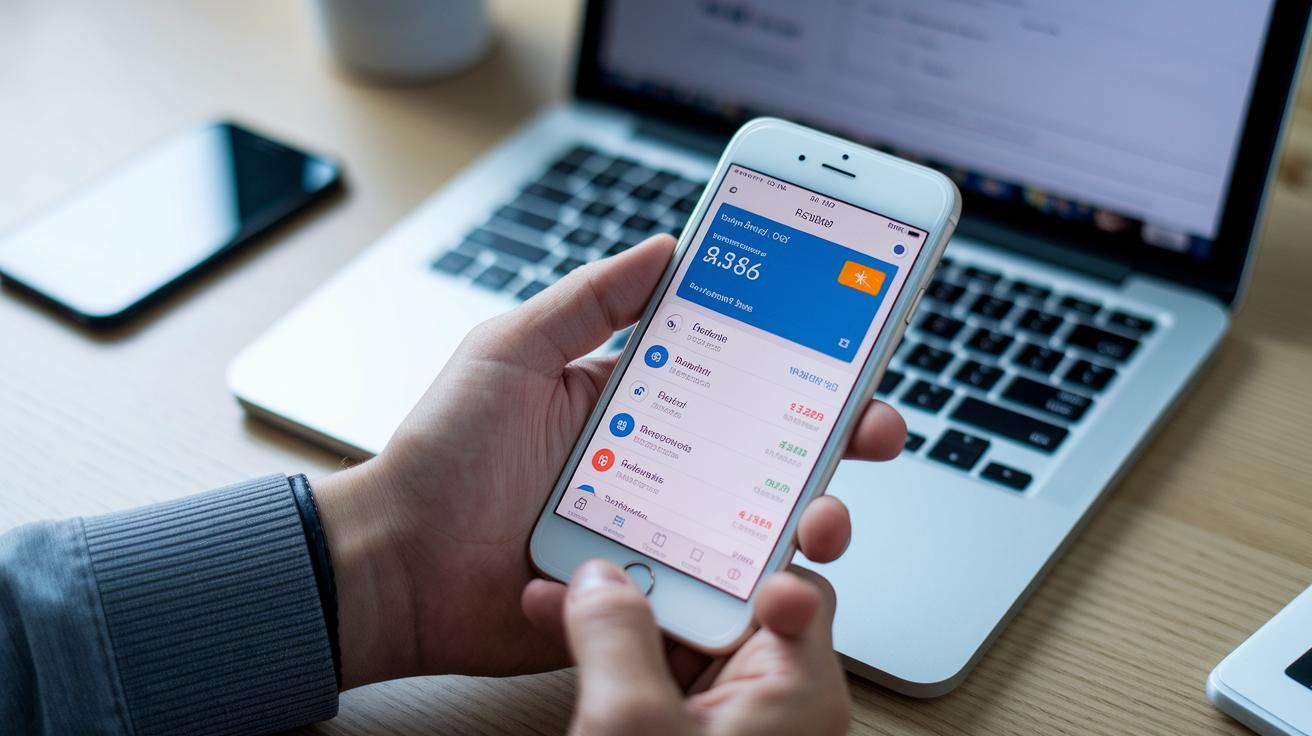
Ever wondered if a bank without a physical branch might be your best banking choice? In our fast-paced world, digital-only banks let you manage your money safely and easily from your phone or computer. Imagine depositing a check with just one tap and watching your spending without ever waiting in line. With clear fee details and instant money transfers (quick moves to shift your cash), these banks mix ease with strong protection. For many, this smart and secure way of handling money is quietly changing how we take care of our cash every day.
Understanding Digital-Only Banking Models
Digital-only banking is all about managing your money online without ever stepping into a branch. It’s like having a safe money home on your phone or computer that’s open 24/7. You might be surprised to know these banks handle billions of dollars every year, every minute counts when it comes to making secure transactions (that’s like constantly locking your digital door).
This style of banking lets you take care of everything online, from opening new accounts and moving money around to even buying cryptocurrencies or gold. There are a few different types: some banks, known as neobanks, team up with traditional banks; challenger banks focus on keeping costs low and service friendly; and then you have fully licensed digital banks like Revolut, Monzo, N26, and Starling. There are even more specialized nonbanks for unique financial needs. Imagine just snapping a picture of a check while enjoying your favorite TV show and watching your deposit go through, easy and hassle-free.
In short, digital-only banking means you can bank anytime, anywhere with a secure, quick click. It’s a modern way to manage your money, combining simple access with strong, real-time security to keep everything safe and sound.
digital only banking: Smart, Secure Future

Digital-only banking puts you right in control of your money, all from your phone or computer. It’s like having a banking buddy who’s available around the clock. You can easily deposit checks using your camera, and the clear dashboards let you keep an eye on your spending and saving anytime you want.
Here’s what makes it neat:
- Clear fee details so you know exactly what you’re paying.
- Virtual tools that help you track every single transaction.
- Instant transfers that make sending or receiving money a breeze.
- Quick, cashless payments that simplify everyday shopping.
- Mobile access that brings your bank right to your hand.
- Remote services that let you bank anywhere as long as you have internet.
Lower overhead means savings are passed on to you, with competitive rates and low fees. Plus, features like automated budgeting and spending analytics (tools that help you understand your money habits) make managing your money straightforward and secure. Banking here feels less like a chore and more like chatting with a friend who’s truly got your back.
Major Challenges in Digital-Only Banking
Digital-only banks sometimes run into problems that traditional banks with branches usually fix instantly. Without a branch, everyday tasks like cash deposits or getting face-to-face help can be a bit tricky. This can leave customers feeling disconnected or even frustrated when a personal touch might have made things simpler. Imagine needing a printed document quickly and only finding digital files available.
Since these banks rely entirely on online systems, any technical hiccup can interrupt service. If the website slows down or even goes offline, transactions can be delayed and users might start to doubt a process that should be smooth and secure. Even though banks use encryption (a way to keep data safe), cyber threats still put these systems to the test. This means they must update their security measures on the fly.
Then there’s the hurdle of meeting strict legal rules. Digital-only banks must follow regulations like anti-money laundering (rules to prevent illegal money practices) and know-your-customer guidelines (steps to verify who you are). These careful checks can slow down onboarding for new users expecting instant service. And while some customers are fine with a fully digital setup, others prefer a bit of paper documentation to feel at ease with the process.
Digital-Only Banking vs Traditional Banking

Digital-only banks have truly changed how we manage money. They use online systems (think of it as a safe, digital engine) and smart API connections (basically, ways for different programs to chat securely) to cut costs by nearly 70% thanks to automation. On the other hand, traditional banks lean on physical branches and old-school processes that can slow down their ability to change quickly. If you want to see more on how these banks stack up against each other, check out 2. Digital Banking Vs Traditional Banking: Smart Pick.
| Feature | Digital-Only Bank | Traditional Bank |
|---|---|---|
| Operating Costs | Up to 70% lower thanks to automation | Higher due to physical branches and old systems |
| Service Channels | Online and mobile apps | Physical branches plus some digital services |
| Onboarding Speed | Quick with digital checks | Slower because of manual steps |
| Personal Advice | Automated tips and virtual support | Face-to-face advice |
| Technology Integration | Built on modern, cloud-first and API-driven systems | Often running on older, updated legacy systems |
Digital-only banks are all about speed, efficiency, and staying current with technology, making it easy to manage your money anytime and anywhere. Meanwhile, traditional banks still offer strong, in-person help, although they sometimes struggle to update their methods quickly. Looking ahead, it seems the future of banking will lean more on smart tech integrations and smoother processes to quickly and reliably meet customer needs.
App Usability & Security in Digital-Only Banking
Digital platforms today come with simple, clear screens that help you manage your money easily. The dashboards load quickly and let you check spending, savings, and balances without any fuss. Imagine getting a prompt on your phone right after a transaction, it’s a little reminder that your funds are safe and sound. Even if you’re not a tech whiz, these tools make digital banking feel welcoming.
Real-time alerts and smooth login steps are key parts of this experience. The system uses strong encryption (a secure way to send data) and keeps an eye out for fraud so you can bank confidently. Whether it’s a quick check or a security alert after a login try, the platform works day and night to keep your money secure.
Biometric & Multi-Factor Authentication
Using fingerprint scans, facial recognition, one-time codes, and device tokens helps confirm it’s really you. Most banks see over 80% of their users using these features. They cut down on unauthorized access, sometimes reducing fraud by as much as 50%. For example, you might need to scan your fingerprint before a big purchase goes through.
Checks like KYC (knowing your customer) and AML (anti-money laundering) also streamline getting started and build trust. They make sure every move is watched over by strong security, so you can bank online with peace of mind.
Digital-Only Banking Products and Customer Reviews
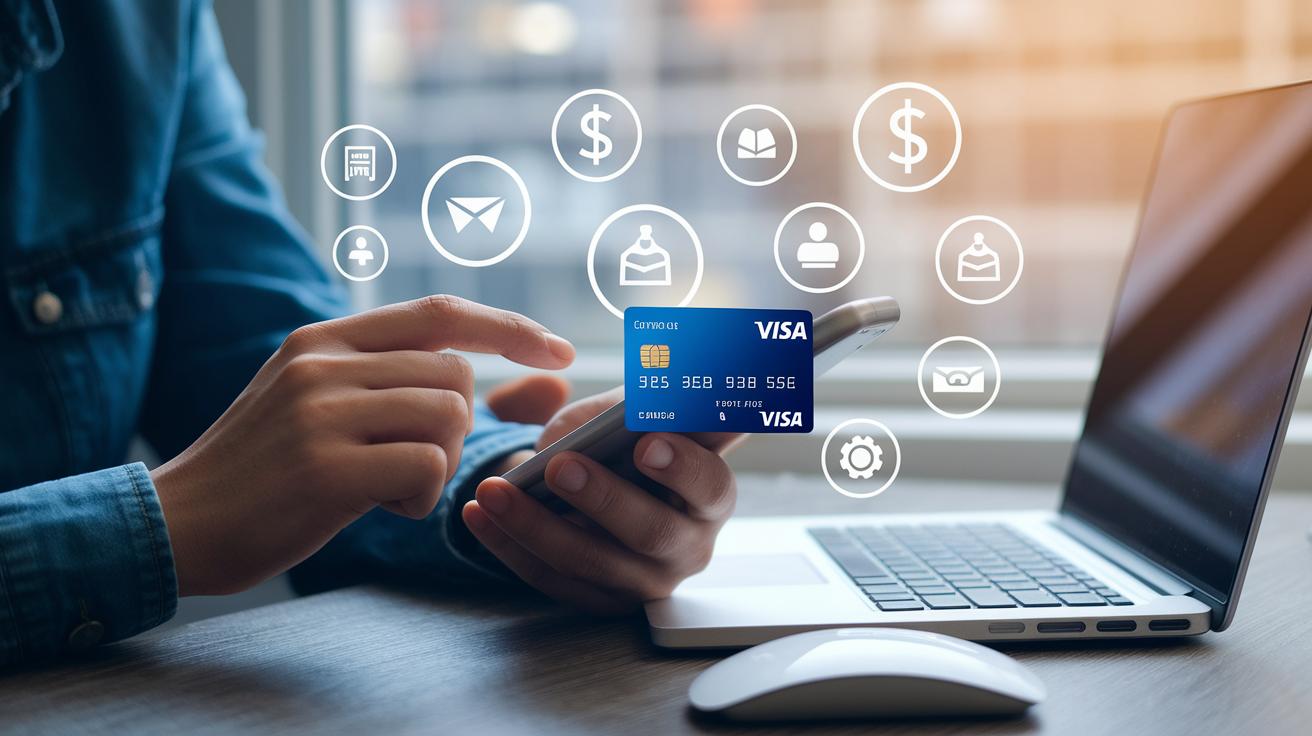
Digital-only banking is changing how you manage your money in a big way. It comes with digital checking accounts, complete with Visa debit cards, along with personal and business loans that simplify daily finances. You even get lines of credit and multi-currency accounts, supporting up to 38 currencies, to handle global transactions without those annoying extra fees. And if you’re on the move, closed-loop mobile wallets make safe payments and transfers as easy as a few taps. Plus, with virtual payment processing, mobile wallet convergence, and online currency exchange, everything works together for a smooth, modern twist on traditional banking.
People around the globe often give these digital banks about a 4.5 out of 5. They love the clear fees, the friendly virtual teller services, and how quickly any issues get sorted out. Reviews keep coming in for reliable mobile interfaces and secure digital transactions, making digital-only banking a smart and safe choice for everyday money management.
Future Trends in Digital-Only Banking
Digital-only banking is set for an exciting ride. Experts expect net interest income to reach $1.61 trillion by 2025 and climb to $2.09 trillion by 2029 with an annual growth of 6.8%. Even China is estimated to bring in around $528.8 billion in 2025. These figures show a big change in money handling online, where digital banks are shifting old models to better serve tech-savvy customers any time of day.
Innovative tools like AI-driven money solutions are leading this change. Machine learning (a method where computers learn from data) is predicted to cut fraud by up to 50% by 2025, making online transactions much safer. At the same time, big data is being used like an automated guide, helping customers understand their spending and saving trends in real time. Soon, you can expect more friendly advice and easy tools to help you manage your money.
Over 65% of banks are planning to use new cloud-based systems that rely on API-driven setups (a way to make different software work together). These modern platforms include interactive budgeting tools and smooth security checks that meet strict rules. In short, digital-only banking is stepping up its game with smarter tech and strong security, promising a bright future for modern money management.
Final Words
In the action, the post broke down digital-only banking models, highlighting streamlined account setups and secure mobile transactions. We explored user-friendly tools, key benefits, and real-time market insights. Each section shared practical tips for smart growth and secure money management. The discussion also touched on overcoming tech challenges and comparing digital services with traditional banking. Every detail is designed to make managing money online feel safe and clear. Enjoy exploring digital only banking and take comfort in your secure, forward-thinking financial future.
FAQ
What are some prominent digital-only banking examples, companies, and lists including the best, top 10, top digital, and largest digital banks?
The digital-only banking examples include providers like Revolut, Monzo, N26, and Starling, which use mobile-first interfaces and 24/7 online access to offer cost-effective, secure services without physical branches.
What digital bank options exist in the USA for foreigners?
The digital bank USA for foreigners caters to international customers by offering tailored services such as multi-currency accounts and easy remote onboarding through secure online platforms, making global banking smoother.
What is digital only banking?
Digital only banking refers to financial services offered entirely online—without any brick-and-mortar branches—allowing customers to manage accounts, transfer funds, and invest via secure apps and web portals.
What is the most popular digital bank in the US?
The most popular digital bank in the US is known for its vast user base and strong mobile interface, though popularity can vary, many leading digital banks continually upgrade security and service features to stay competitive.
What is a digital only account?
A digital only account is one opened and managed entirely online, without in-person teller services, providing instant access to funds, budgeting tools, and secure digital transactions anytime.
What’s the difference between digital banking and online banking?
The difference is that digital banking encompasses a broader range of services like mobile-first apps and innovative features, while online banking is often limited to basic functions such as account access and online bill payments.
More from Politics
 Trends
Insurance Financial Trends: Bold Market Optimism
 Digital
Open Banking And Digital Banking Convergence: Bright Promise
 Risk
Correlation Breakdown And Portfolio Risk: Robust Outlook
 Tech