
Tech
Fintech Payment Energizes Market With Fresh Trends
Experience the revolution of fintech payment systems that simplify secure transactions, combine technology and trust – what breakthrough awaits next?

Ever wonder how a quick tap on your phone could change the way we handle money? New fintech payment systems are shaking things up by making transactions both faster and safer.
These digital methods swap out old, slow ways with smart, secure steps that protect your details (like using locks on your digital safe) and keep your money moving quickly.
In this article, we take a closer look at how these modern systems speed up payments while making it simpler to manage your money. With live updates and easy-to-use tools, you might even feel that little sense of relief, knowing your transactions are both secure and swift.
Fundamentals of Fintech Payment Solutions
Fintech payments use smart digital systems to move money quickly and safely. These systems replace slow, manual methods with smooth automated processes and encryption (a way to keep data safe) that protects your sensitive financial details.
They help speed up transactions, simplify billing, and make keeping track of your money a breeze. With platforms designed for both business-to-business needs and everyday consumer use, fintech payments make it easy to manage everything, from cloud-based loans to simple peer-to-peer transfers.
-
B2B use cases:
- Cloud-based loan systems that help companies access funds fast.
- Automated financial data management for smooth, efficient bookkeeping.
- Integrated billing systems that make recurring payments simple.
-
B2C use cases:
- Peer-to-peer apps that let friends and family send money in a snap.
- In-app purchase systems making mobile shopping clear and easy.
- Digital wallet options for handling everyday transactions smoothly.
Many of these solutions handle billions of transactions every day. They shift us away from cash and cards towards digital methods that reduce mistakes and speed up processing. Imagine walking into your favorite store and paying with just a tap on your phone, it’s as simple as pressing a button. With real-time updates and automatic financial checks, everyday transactions become less of a hassle and much more secure. Fintech payment systems give both businesses and everyday users a dependable way to handle their money, meeting today’s needs and growing with the future of mobile commerce and online transactions.
Mobile Wallet Integration and Contactless Transaction Technologies
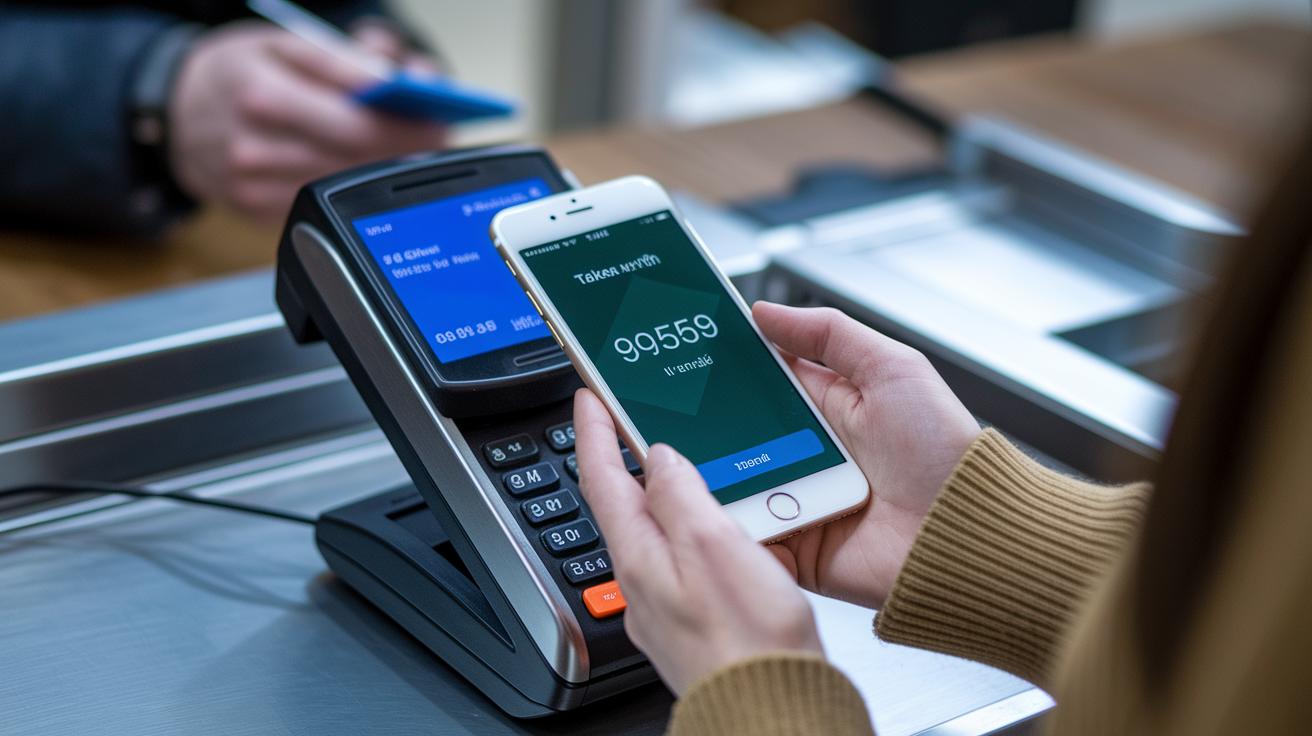
Mobile wallets have completely changed the way we check out. They speed up your purchases and help you avoid long lines. When you use services like Apple Pay or Google Pay, your card details are turned into tokens (safe substitutes), and a one-time code is used to approve each payment. This means your important details stay secure, and paying is as easy as giving your phone a quick tap.
QR code payments are another neat trick. Picture walking into your favorite store and just scanning a code to pay, much like ordering your regular coffee on your preferred app. It’s simple and efficient.
Wallet apps let you do a lot more than just pay for things. They allow you to send money, settle bills, and even track your spending in real time. This is a big step up from the slower methods of old. Imagine keeping an eye on your transactions as soon as they happen, it really adds convenience.
Near-field communication, or NFC, makes this whole system work effortlessly. The moment you hold your device close to a reader, the payment happens in an instant, almost like magic. With more stores using QR codes and NFC, checkouts become faster, leaving both merchants and customers happy. It’s like upgrading from an old flip phone to a modern smartphone, the whole process becomes quicker and much smoother.
Security and Compliance in Fintech Payment Processing
Fintech payment platforms use several layers of security to keep your information safe, much like a digital fortress protecting every transaction. They rely on techniques like tokenization, where important details are replaced with secure tokens, and end-to-end encryption (a way to keep data safe) so that your data stays secure from the moment it leaves your device until it reaches the merchant.
They start with strict guidelines such as PCI DSS, which ensure that cardholder information is handled carefully. Then, extra measures like biometric verification, using your fingerprint or face, add another layer of protection. Plus, AI-powered fraud detection constantly checks transaction patterns to catch anything suspicious. It's a bit like having a vigilant security guard watching over your funds.
Key security measures include:
- Tokenization
- End-to-end encryption
- Biometric verification
- AI-driven fraud analytics (tools that watch for unusual patterns)
- PCI DSS compliance
By combining these strategies, fintech systems build a strong framework that keeps payments safe. With multi-factor authentication and smart security checks, the risk of unauthorized transactions drops significantly. Tokenization and encryption work together to secure data at every step, while AI tools help spot threats early. It’s a comprehensive approach that not only protects your money but also builds trust by ensuring that digital transactions remain as secure as possible.
Cross-Border and International Remittance Solutions in Fintech Payment

Fintech is shaking up how money travels around the world. The old-school methods, like using SWIFT for high-value transfers, can be slow, expensive, and not very clear on where your money is at each step. On the other hand, blockchain platforms let you make payments almost instantly because they keep a solid, unchangeable record of every transaction. This means fewer middlemen, lower costs, and a smoother overall process. Plus, with features like automatic currency conversion and the ability to handle multiple currencies in one go, sending money abroad just got a lot easier.
When you stack these approaches side by side, blockchain-based remittances come out on top for speed and cost. The traditional systems, even with automated steps, still need people to double-check things, which can slow everything down. Blockchain technology skips that by using a network that quickly and securely verifies each move. And since every transaction is recorded clearly, you know exactly where your money goes, a modern twist on international remittance that turns an old, clunky system into a fast, clear, and secure digital experience.
API Connectivity and Merchant Integration Strategies for Fintech Payments
You can connect your current systems to fintech payment solutions using simple API methods. RESTful APIs (tools that let different software talk to each other) and WebSocket APIs (ways to keep data up-to-date) let you add payment features right into your website or app. Picture it like topping up your phone, smooth and effortless. These tools support secure logins (ensuring your data stays safe), callbacks, and precise data handling so that every transaction goes through without a glitch.
Dashboards are a big part of this setup. They give you real-time updates, automatic balancing tools, and detailed reports. Think of watching your payment data refresh live; it helps you spot and fix any mix-ups quickly and keeps everything under control.
But connecting systems isn’t only about using APIs. Many platforms now include built-in modules that automatically link with your accounting and CRM systems. This brings you automated invoicing and payout processes, making your money management as smooth as a well-tuned machine.
| Integration Tactic | Description |
|---|---|
| RESTful/WebSocket APIs | Boost transaction speed by linking your systems easily. |
| Live Dashboards | Monitor transactions in real time and reconcile data automatically. |
| Embedded Modules | Connect with accounting and CRM systems for automated workflows. |
Together, these strategies turn traditional payment methods into fast, digital transactions while keeping your overall financial management straightforward and reliable.
Emerging Innovations and Future Trends in Fintech Payment
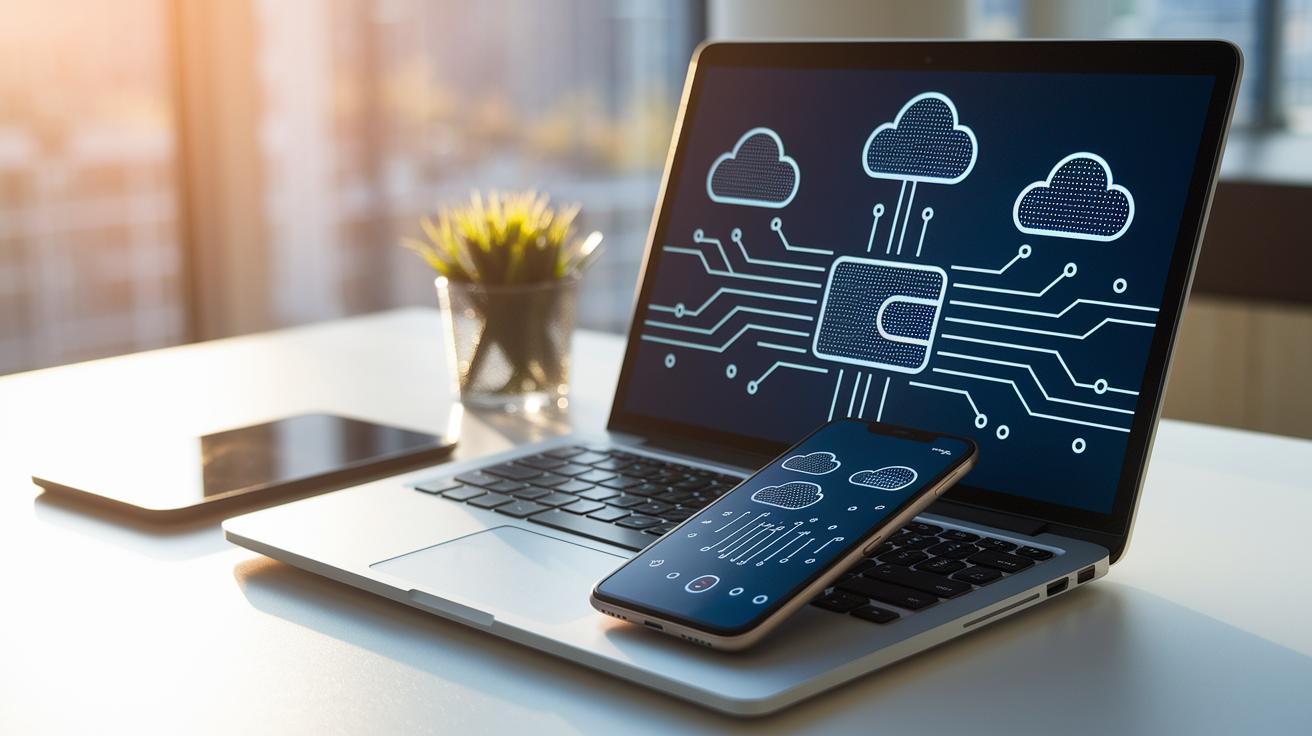
Fintech payment tech is speeding ahead. New cloud processing tools are changing how we send and receive money, making it simple to automate invoicing and power digital wallets for quick settlements. Imagine sending an invoice and getting paid instantly, like the smooth tap of your smartphone. Plus, with AI helping out (that’s artificial intelligence, which checks things in real time), systems can spot risks and find the best route for your payment, keeping fees as low as possible. It’s like having a smart helper who watches over your funds.
Virtual cards and buy-now-pay-later options are also giving you more ways to handle your money on the go. These tools are making old-school payment methods feel a lot less clunky. Meanwhile, distributed ledger apps (basically, systems that record transactions in a secure, unchangeable way) are stepping in to run built-in compliance checks. This means even in tricky situations, you get clear records and smoother transactions.
| Trend | Description | Impact |
|---|---|---|
| Cloud Automation | Automates invoicing and supports digital wallets | Faster settlements |
| AI-Driven Processes | Real-time risk checks and smart routing | Better security |
| Virtual Cards & BNPL | Flexible financing with digital tools | More options for consumers |
In short, these advances are turning traditional payment methods into fast, digital, and automated systems ready to power transactions in the future.
Final Words
In the action, this article broke down fintech payment solutions, from secure processing techniques to mobile wallets and API integrations. It touched on how digital transaction systems simplify everyday finances while protecting your money.
The discussion also highlighted real-time market data and emerging advances that shift cash and cards to automated systems. Every section feeds into smarter financial management and secure payments. Keep exploring these insights as they help create a bright future for your investments.
FAQ
What exactly is fintech and what are fintech payments?
The term fintech refers to using technology to improve finance. Fintech payments use digital systems to move money securely, quickly, and easily. Learn more about what is fintech at what is fintech.
What are some examples of fintech products, apps, and companies?
Fintech examples include digital wallets like PayPal, Venmo, and Apple Pay, secure online gateways, and innovative companies that enhance how we pay and manage money. PayPal is considered a leading fintech example.
What is a fintech payment gateway?
A fintech payment gateway is a secure online system that processes digital transactions by verifying payment details and encrypting data, making transactions smoother for consumers and businesses.
What are the top fintech companies?
Top fintech companies include industry leaders known for mobile payments and secure digital platforms that simplify financial services globally, driving improvements in online payment systems.
More from Politics
 Trends
Insurance Financial Trends: Bold Market Optimism
 Digital
Open Banking And Digital Banking Convergence: Bright Promise
 Risk
Correlation Breakdown And Portfolio Risk: Robust Outlook
 Tech