
Trends
Future Financial Trends: Bright Outlook For Growth
Future financial trends ignite dazzling shifts in markets, stirring bold tactics and mysterious twists that leave us eagerly anticipating what...
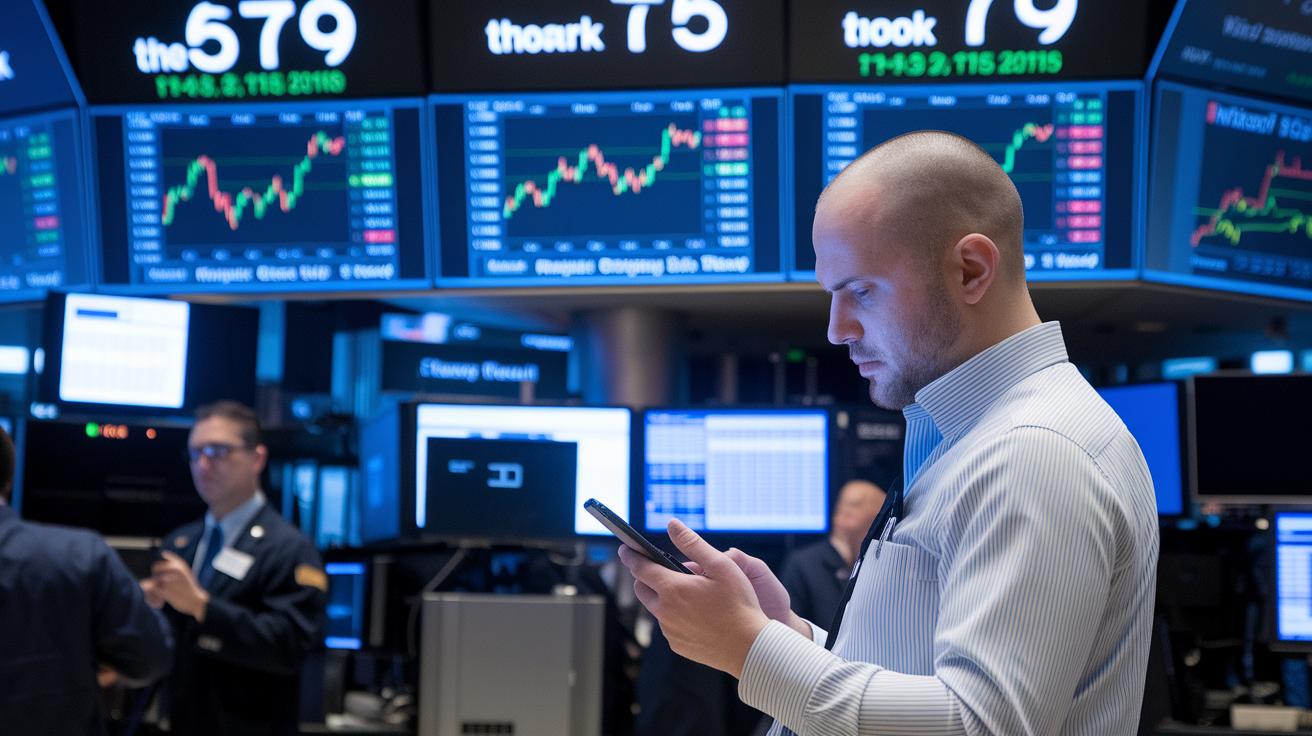
Ever felt like your money is speeding past you? New trends in finance might change how we think about spending, saving, and investing. Today's tech makes everyday transactions feel as smooth as the click of a secure login and even helps catch risks before they turn into real issues. Advances in AI (computer programs that learn from data) and smart data tools work together to make banking easier and more reliable. This article shows you how these shifts are paving the way for better choices and smoother financial growth. Stick with us, and let's explore how these changes can help brighten your financial future.
Future Financial Trends Overview and Key Predictions
Looking ahead, keeping an eye on future financial trends helps leaders understand the fast-changing world of digital innovation and what customers now expect. Technology is changing how we handle money every day, so knowing about new financial tech and using data to make choices is key. This understanding lets companies invest smartly in new tools that make work smoother while cutting costs with smart automation.
To stay ahead in today’s changing market, businesses rely on smart analytics (tools that spot patterns) and look at future economic trends to handle risks better. With emerging trends in artificial intelligence (AI), robotic process automation (RPA, which helps automate everyday tasks), and new financial wellness solutions, professionals are getting ready for a world full of quick changes and fresh competition.
- Embedded finance will weave financial services right into everyday platforms. Experts predict it could hit about $384.8 billion by 2029, growing at 30% per year.
- Using AI and RPA will lower mistakes and reduce operating costs by automating routine jobs.
- Digital advances in finance will shape what consumers expect and guide product changes well into 2025.
- Smart use of data will improve risk management and make systems better at spotting fraud.
- As people’s money habits change, there will be a growing need for flexible savings and lending options.
- Financial wellness programs are set to grow a lot, reaching around $1.21 billion by 2029 with a 12.9% annual growth rate.
- Rising affluent customers will likely favor sustainable, diverse investment options like ETFs.
- Cross-border payments are poised to become faster, more transparent, and more cost-effective.
Taken together, these predictions offer a clear roadmap that helps financial professionals fine-tune their strategies and services in a market where digital progress and putting customers first really matter.
Digital Banking Evolution in Future Financial Trends

Digital banking is growing fast as more folks use their phones for everyday money matters. Every transaction is quickly shifting from paper to pixels, and it’s clear that traditional banking is taking a back seat. Customers love the quick, smooth click of a contactless payment, it feels almost as easy as tapping on your phone. Younger generations, in particular, are all in for this change, pushing banks to rethink how they keep customers happy and loyal.
| Demographic | Adoption Rate (%) |
|---|---|
| Gen Z | 52% |
| Millennials | 48% |
| Gen X | 35% |
| Baby Boomers | 23% |
Even customer loyalty is changing. Digital natives and older users alike show they’re ready to switch banks, half of Gen Z and 71% of the silent generation even admit they’d consider a change. This trend nudges banks to reimagine their services and meet customers on platforms that emphasize speed and ease. In short, today’s digital banking is shaping up very differently from the old ways we once knew.
Fintech Breakthrough Developments Driving Future Financial Trends
Embedded finance is changing the way we handle our money by bringing financial services into apps and websites we already use. Imagine managing your funds the same way you check social media, quick and easy. Experts predict this market could hit about $384.8 billion by 2029, growing at a healthy rate of 30% each year. Businesses are now adding tools for money management (tracking your assets online) directly into everyday platforms, so managing finances feels like a natural, smooth click.
Peer-to-peer lending and micro-investment services are also on the rise. These platforms let people borrow money or invest small amounts, making it easier for more folks to join the financial world. This means even those who have had trouble getting traditional loans can now invest or finance their projects with a few simple steps. It’s like opening the door to a more welcoming and inclusive way of handling money.
Big fintech players, like the ones you can check out at https://teafinance.com?p=204, are leading this change. They are using cloud-based ERP solutions (computer systems that help manage business processes securely) to create next-generation brokerage tools. These companies are mixing strong online money management features with automatic processes to keep up with what everyday users need. In short, the future of finance is becoming more connected, simpler, and easier to use for everyone.
AI-Powered Analysis and Automation in Future Financial Trends

AI and robots are making back-office work smoother. They take over everyday tasks like entering data, checking compliance (making sure rules are followed), and processing transactions. Machine learning (a computer program that gets smarter with experience) learns from past information to make these processes even better. It’s like having a trusty helper quietly managing your routine work. This change is helping companies use data to make well-informed decisions for managing risk and creating new products. Check out the details here: role of financial analytics in strategic decision making.
Robo-advisors and algorithm trading are growing fast. These systems now offer custom investment tips in real time, much like chatting with a knowledgeable friend over coffee. And with algorithmic trading, machine learning helps execute trades quickly, catching opportunities that might slip by with slower methods. Think of it as putting your investment plans on autopilot while the market hums around you.
More people are getting excited about using smart tools to catch fraud and track spending. About one in three consumers trusts AI to spot fraud, and nearly a quarter of Gen Z users prefer AI for managing their expenses. These trends not only build confidence in digital transactions but also inspire financial institutions to improve fraud prevention and customer service, making financial operations both smarter and more secure.
Blockchain Adoption Shifts and Decentralized Prospects in Future Financial Trends
Blockchain is opening the door to faster, clearer, and simpler payments. It changes the way money travels across countries by making transactions smoother and cutting down wait times. Imagine switching from passing paper money to using a digital tag that works almost instantly.
Next, we see smart contracts, central bank digital currencies (CBDCs, which are digital versions of government money), and scalable digital currencies reshaping finance. These tools work like a self-checkout lane where deals are sealed automatically without any extra help. For instance, a smart contract can complete a financial deal with just a digital signature, saving a lot of time. This easy process is shaking up the old banking style.
Then, remittance improvements are paving the way for quicker and more straightforward international money transfers. By relying on decentralized ledgers (like a shared digital record), institutions are finding new ways to cut fees and boost efficiency in cross-border transactions. This change hints at a bright future as blockchain continues to update how global money moves.
Sustainable Investment Strategies and ESG Evolution in Future Financial Trends

These days, as more people find themselves with extra funds, investment choices are shifting. Folks with a bit of extra cash are now leaning toward options that match their values. They’re opting for investments that offer worldwide variety (putting money in different parts of the globe) and risk-managed products like ETFs (a type of investment designed to spread risk), all with a green twist. With rising living costs, it seems fitting that money decisions mix profit with purpose.
Investors are also on the lookout for products that tackle climate risks. Think of these as shields against unexpected weather surprises or other climate challenges. Financial institutions are busy creating ESG financing setups (a way to support eco-friendly and socially responsible projects) that funnel money into efforts to lower environmental risks. This blend of growth and security helps people feel good about investing in a greener future.
Many investors are planning for the long haul by choosing investments that promise both good returns and environmental benefits. They’re favoring steady, sustainable products and expecting that as more money flows toward the environment, market trends will shift accordingly. In short, it’s about rethinking financial strategies to support responsible growth while taking on global environmental challenges.
Regulatory Technology Updates Shaping Future Financial Trends
Regulatory pressures are nudging banks, insurers, and fintech companies to find quicker and smarter ways to handle compliance. With more rules coming into play, these organizations have to adjust fast and innovate just to keep up and steer clear of mistakes.
Insurance companies and banks now lean on AI-powered tools (smart computer programs that help monitor changes) to watch for updates and automatically file the needed reports. These tools catch rule changes as soon as they pop up and send out alerts, which makes it easier for organizations to stay on track. With user-friendly digital systems at their fingertips, these companies cut down on errors and free up time to focus on better customer service and sound financial choices.
Looking ahead, upcoming regulations are set to spark even more innovation in fintech. New rules will probably call for tighter tracking of transactions, faster reporting, and extra care when managing data (using secure methods to keep information safe). As officials update their standards over time, businesses will keep investing in compliance solutions that blend tech advances with strong oversight. This ongoing digital shift in compliance is reshaping financial services, paving the way for a market that's both safer and more efficient.
Economic Shifts, Market Volatility, and Forecasting in Future Financial Trends

When interest rates change, our everyday choices are affected. When rates increase, it costs more to take a loan. This often nudges people to save more or look for flexible options like dynamic savings accounts or refinancing plans. But when rates fall, borrowing money becomes easier for big purchases or investments. In short, both families and businesses need to adjust their money plans as these changes touch nearly every part of daily life.
Around the world, money is moving more freely, and companies are rethinking how they handle debt. With cash flowing across borders, businesses are reworking their supply chain finance to avoid hiccups and keep operations smooth. They’re also finding smarter ways to manage debt, all while watching global money trends (that means tracking how much cash is available around the world). Even though these shifts bring challenges, they also open up new opportunities for firms to improve their financial game both locally and globally.
Today, forecasting tools and data insights have become a key part of planning for market ups and downs. Financial experts use smart models and careful data checks to predict shifts in money availability and price changes. For example, detailed forecasting methods help pin down trends and set up proactive steps before problems arise. This hands-on approach means companies can stay nimble and ready, even when the market is unpredictable.
Final Words
In the action, our blog explored digital banking evolution, fintech breakthroughs, AI-powered automation, blockchain shifts, and sustainable investment strategies. We also looked at the impact of new regulatory tools and macroeconomic forecasting on daily transactions and smart financial growth. Each section offers clear examples and practical tips for managing money securely, all while providing real-time market insights. With future financial trends on the horizon, there's plenty of promise ahead, keeping your finances secure and your strategies ahead of the curve.
FAQ
What are the key financial trends for 2025?
The key financial trends for 2025 include digital innovation, fintech breakthroughs, AI automation, blockchain adoption, and sustainable investments that reshape how risks are managed and services are delivered.
How will the financial system evolve in the coming years?
The evolving financial system will feature digital banking, embedded finance, and enhanced risk management using AI and blockchain, making finance more accessible, secure, and customer-friendly.
What is the biggest challenge facing the financial market in the next 5 years?
The biggest challenge for the market is balancing rapid technological shifts with tighter regulatory compliance while addressing changing consumer expectations and managing market volatility effectively.
What are the upcoming banking and technology trends in finance?
Upcoming trends in banking and technology include contactless payments, AI-driven analytics, robo-advisory tools, digital asset management, and improved fraud detection that boost operational efficiency and customer satisfaction.
What does financial trends analysis mean?
Financial trends analysis means studying market shifts, consumer behavior, and technological changes to forecast future movements and help guide strategic decisions in investments and business practices.
More from Politics
 Trends
Insurance Financial Trends: Bold Market Optimism
 Digital
Open Banking And Digital Banking Convergence: Bright Promise
 Risk
Correlation Breakdown And Portfolio Risk: Robust Outlook
 Tech