
Markets
History Of Stock Markets: Inspiring Evolution
Trace historic market progress from medieval exchanges to established trading institutions, where cautious pioneers laid secrets that now remain unanswered.
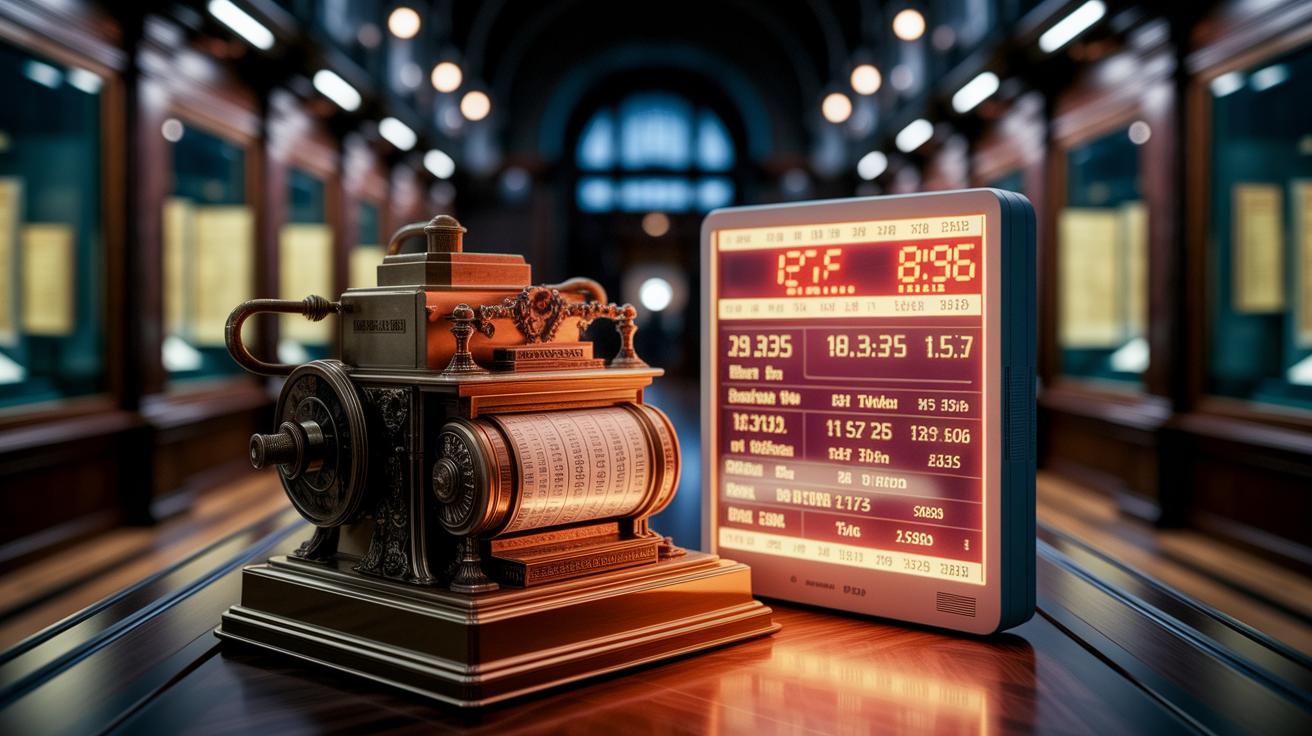
Have you ever stopped to think about how a tiny trade turned into the huge stock markets we see today? It all started long ago, when traders in the Middle Ages would swap promises like writing a quick note to a friend.
In Europe, busy market spots began to pop up, and in New York, traders would meet under old trees to share ideas. These simple gatherings slowly changed the way people trusted and invested their money.
Early on, folks figured out ways to share risk (that is, spreading out the chance of loss) with one another. This idea kept growing and changing, much like how building a house starts with one brick at a time.
All of this reminds us that even the simplest beginnings can lead to amazing progress in the world of money.
Stock Market Evolution: A Chronological Overview
Back in medieval times, around the 12th and 13th centuries, traders used simple ways to swap goods and manage debts. It was a bit like sharing a story over a meal, short and straightforward. In the 1400s and 1500s, busy trading spots in Bruges, Ghent, and Rotterdam buzzed with activity. People exchanged bills and notes, much like scribbling down promises to pay on a napkin over coffee.
By the 1500s, Europeans began to see more organized ways to trade stocks. Then, in 1611, things really took off in Amsterdam when the Dutch East India Company started selling shares and paying dividends (money given to investors). This change split the risk among many people. Next came key moments like the meeting on May 17, 1792, when 24 New York brokers gathered under a sycamore tree to set basic trading rules. Soon after, the London Stock Exchange formed in 1801, and the New York Stock & Exchange Board followed in 1817.
The 19th and 20th centuries brought rapid growth. Simple transactions evolved into the dynamic, connected system that we see today.
Origins of Public Asset Trading in Early Markets

Back in the day, traders did more than just swap bills, they discovered clever ways to share risks that still resonate with us. Picture writing a quick IOU on a scrap of paper with a friend; that simple gesture was the starting point for how we now distribute risk (spread risk among many people).
The Dutch East India Company really shook things up. It became the very first publicly traded company, letting people earn dividends (a share of profits) and trade pieces of the business. This new approach not only set up share sales but also changed how everyone thought about investing together.
Later, casual coffee house chats added a personal twist. Traders would talk over cups of coffee while reviewing handwritten certificates, blending trust with market trends. This familiar, human touch laid the groundwork for the secure, shared records that help manage investments today.
| Early Practice | Modern Impact |
|---|---|
| Handwritten promises on scraps | Laid the groundwork for sharing risk |
| Share sales by the Dutch East India Company | Brought in dividends and organized risk |
| Casual coffee house talks | Inspired collaborative investing |
These evolving ideas opened the door for diversified portfolios.
They also paved the way for the secure digital records we rely on today.
Founding of Formal Stock Exchanges and Institutions
The early market institutions did more than just set rules – they built trust systems that still keep our markets safe today. When the Amsterdam Bourse, the New York Stock & Exchange Board, and the London Stock Exchange got started, they introduced reliable ways to trade in public and watch over how things were run. Think about the Buttonwood Agreement like planning a seating chart for a friendly dinner party, where every broker knew their role in setting up a strong, secure base.
These first institutions changed the game. They shifted us from relying on personal trust in small groups to having clear, lasting rules for today's markets. They set up careful record keeping and regular commissions, practices that our digital systems now update with live info and safe data sharing (encryption, which means keeping data safe). Picture the NYSE Board like a secure online dashboard where accuracy and trust really matter.
Major Stock Market Crises and Bubble Episodes

Markets have seen wild ups and sudden downs over the years, teaching investors some hard lessons. Think about Tulip Mania in Amsterdam around 1637. At one time, tulip bulbs were sold for more than a house. But just as quickly, prices fell, and many people lost their money. It shows how fast a boom can turn into a bust, revealing hidden risks in our financial system.
The market can feel a lot like a roller coaster. One minute, you're riding high with excitement, and the next, you're facing a steep drop that shakes your confidence. This isn’t just history, similar patterns in recent times have led to major crashes that really shake things up. Ever get that uneasy feeling when everything seems too good to be true?
To help smooth out these wild swings, measures like the NYSE circuit breakers were put in place in 2012. Think of them as safety nets that automatically pause trading when prices fall too quickly, giving everyone a moment to catch their breath. This approach aims to lessen sudden shocks and bring a bit more stability to our financial world.
Regulatory Milestones Shaping Stock Market Practices
The Buttonwood Agreement of 1792 laid down early trading rules and set standard fees for commissions. Picture it as a handshake between traders who built trust with simple, clear guidelines, just like the secure systems we use in digital trading today.
Over time, the London Stock Exchange made changes that opened the market to more investors. In 1825, easing the rules for issuing shares brought in a wider range of players, much like inviting extra friends to a friendly card game with easy-to-follow rules.
Modern safeguards, such as the NYSE circuit breakers introduced in 2012, protect trading during sudden shifts. It’s like hitting the pause button on your favorite movie during a tense scene, so everyone gets a moment to catch their breath.
Continuous updates to trading rules have shaped the market we see now. Every step, from early agreements to today's safety measures, has helped build a transparent and secure trading landscape.
| Milestone | Impact |
|---|---|
| Buttonwood Agreement (1792) | Set basic trading rules and commissions |
| London Stock Exchange Reforms (1825) | Opened market access by easing share rules |
| NYSE Circuit Breakers (2012) | Paused trading automatically to stabilize markets |
Global Expansion and Modern Stock Market Operations
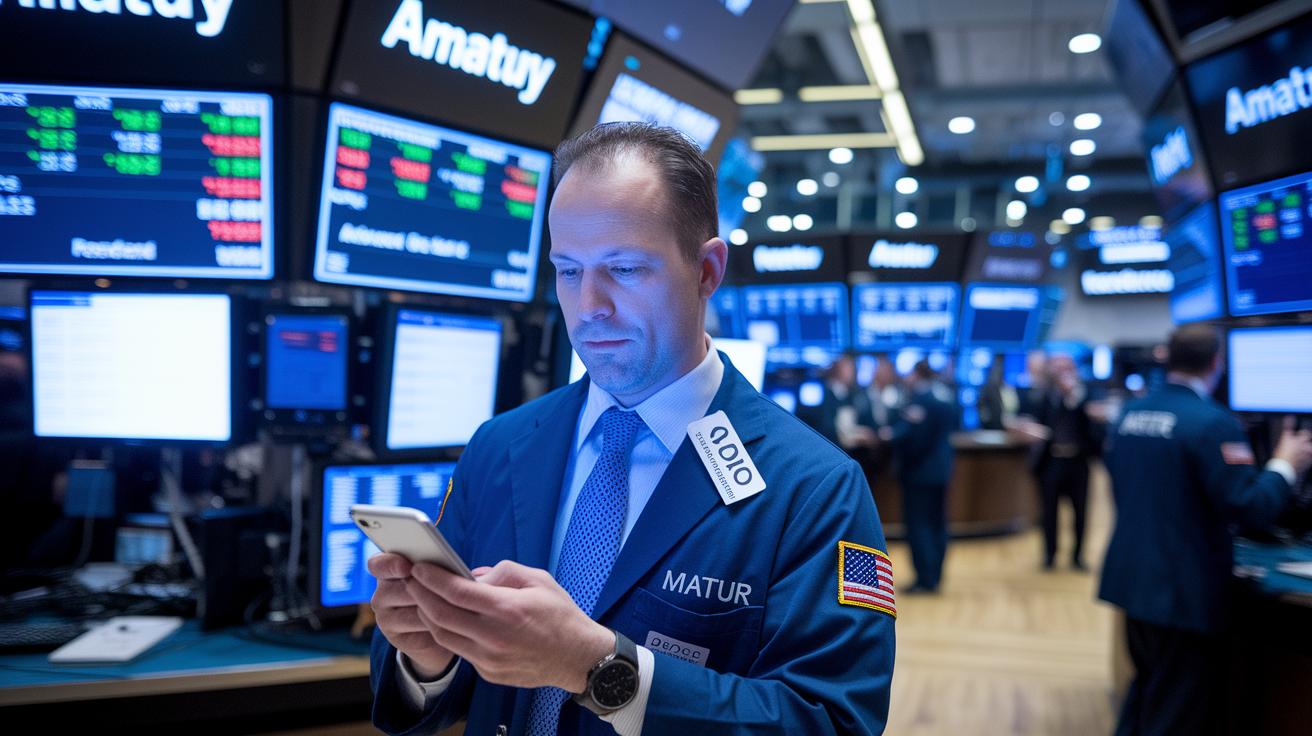
It’s fascinating to see how, back in the 19th and 20th centuries, local stock markets grew and spread worldwide. Today, almost every major economy has a bustling market. The top markets range from well-established nations to fast-growing emerging regions. Think of it as a giant world clock where, say, NYSE, NASDAQ, TSX, and Shanghai all tick along almost the same hours, each running from 9:30 in the morning to 4:00 in the afternoon. Really, it’s like watching a synchronized dance that ties economies together.
Digital trading platforms have completely changed the game for investors. With modern electronic systems and listings that cross borders, making a trade can be as quick as grabbing your morning coffee. Picture this: the smooth click of a secure login meets live market updates, a digital trading floor buzzing with activity.
And then there are benchmark indices like the Dow Jones and the S&P 500. They work like a report card for the markets, giving you a quick look at how the economy and different sectors are performing.
- Today’s stock markets show us just how connected our finances have become.
- Digital advances have set a reliable, steady rhythm in trading.
- Cross-border listings blend local expertise with global partnerships, crafting a rich mosaic of investment opportunities.
Final Words
In the action, our post traced stock market evolution from early public exchanges in medieval Europe to the modern global stage. We examined how past practices and notable events shaped institutions like the Amsterdam Bourse and the NYSE Board, eventually leading to safer trading measures.
This brief history of stock markets highlights milestones that guide smart financial growth. With secure methods and real-time data, every step helps build a brighter financial future. Enjoy the progress and keep your assets secure.
FAQ
What is the timeline of stock markets worldwide?
The timeline of stock markets starts with medieval Europe trading and evolves to formal exchanges like the Amsterdam Bourse in 1611, the U.S. Buttonwood Agreement in 1792, and continued globalization over the centuries.
When was the U.S. stock market created?
The U.S. stock market traces its origin to the Buttonwood Agreement in 1792, when 24 brokers gathered to agree on rules and commissions, establishing a framework for organized trading.
How did the first stock market begin and why is it important?
The first official stock market emerged in Amsterdam in 1611 with share sales by the Dutch East India Company. This innovation pioneered public trading and broadened opportunities for investors.
Where can I find detailed history of stock markets?
Detailed historical timelines for stock markets, including key milestones in America and worldwide, are available on resources like Wikipedia, offering in-depth information on their evolution.
Can you provide a clear example of a stock market?
A clear example is the New York Stock Exchange, which started with the Buttonwood Agreement in 1792 and has grown into a premier platform that sets global standards for trading.
Why is the stock market important?
The stock market helps companies raise funds while giving investors a chance to earn returns. It boosts economic activity by providing a venue for trading and sharing investment risks.
How would a $10,000 investment in the S&P 500 perform over 20 years?
A $10,000 investment in the S&P 500 two decades ago would likely have grown significantly due to compound returns, illustrating the long-term growth potential of patient investing.
Who owns 90% of the stock market?
A significant portion of the stock market is held by large institutional investors such as mutual funds, pension funds, and insurance companies, which manage substantial capital and influence market trends.
What is the 3-5-7 rule in stocks?
The 3-5-7 rule offers a guideline for reviewing investments: assess minor portfolio changes every 3 months, re-strategize for major shifts every 5 years, and reexamine long-term goals every 7 years.
More from Politics
 Trends
Insurance Financial Trends: Bold Market Optimism
 Digital
Open Banking And Digital Banking Convergence: Bright Promise
 Risk
Correlation Breakdown And Portfolio Risk: Robust Outlook
 Tech