
Advisory
How Switching FNB Accounts Could Keep R45,034 in Your Pocket — Simple Fee Fixes to Try Now
Switching from Premier Fusion to Easy PAYU at FNB could save R2,910 a year; invest that monthly difference at 6% and it may grow to roughly R45,034 over a decade.
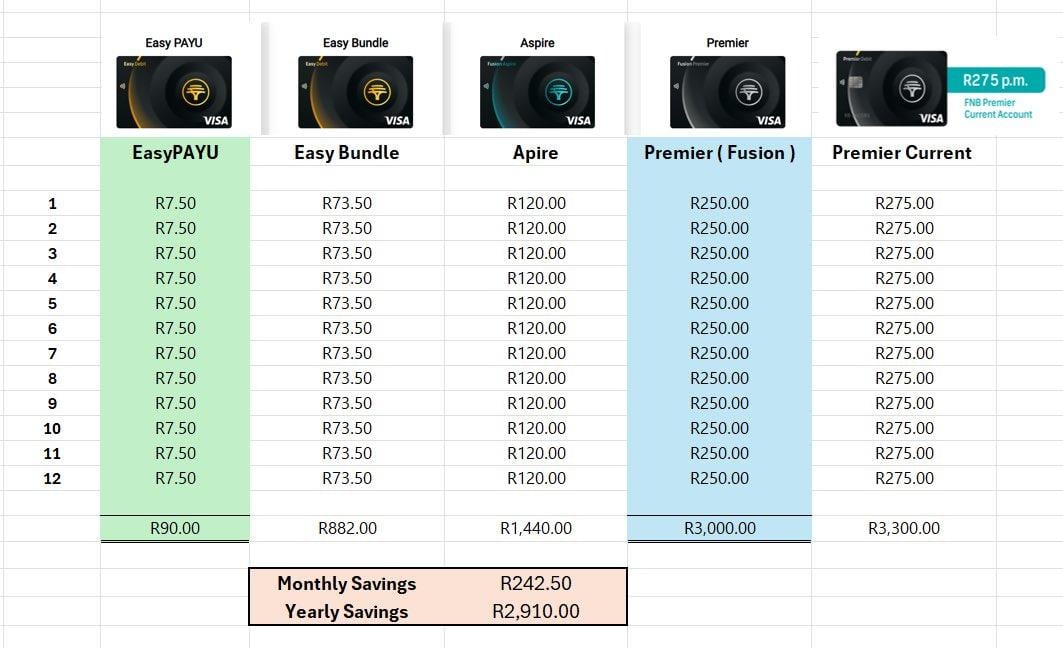
Banking fees are a stealth expense many of us accept without question. I compared my own FNB personal accounts — specifically Easy PAYU and Premier Fusion — to see what the fee gap actually looks like. The numbers were eye-opening: small monthly charges quickly become meaningful annual costs, and over time they compound further if you invest the difference instead of spending it. This piece breaks down the fee differences, shows a simple compounding example, and offers practical steps to keep more of your money rather than letting banks collect it in quiet increments. Audit your account — your wallet will thank you.
Banking fees: My FNB comparison , Easy PAYU vs Premier Fusion

Banking fees are a stealth expense many of us accept without question. I compared my own FNB personal accounts , specifically Easy PAYU and Premier Fusion , to see what the fee gap actually looks like. The numbers were eye-opening: small monthly charges quickly become meaningful annual costs, and over time they compound further if you invest the difference instead of spending it. This piece breaks down the fee differences, shows a simple compounding example, and offers practical steps to keep more of your money rather than letting banks collect it in quiet increments. Audit your account , your wallet will thank you.
Real savings: R2,910 a year and the power of compounding

Choosing the lower-cost Easy PAYU account instead of Premier Fusion saves R2,910 a year , roughly R242.50 a month. That may sound small, but it adds up. If you invest that monthly R242.50 at a conservative 6% annual return over about a decade (10–11 years), the numbers stack: R32,010 in principal savings plus roughly R13,025 in interest growth, for a total of R45,034.18. The lesson is simple: redirect small recurring fee savings into investments and let compound interest amplify them. Automate the transfer so you don’t accidentally spend it, and review investments annually.
Fees add up , Keep what’s yours
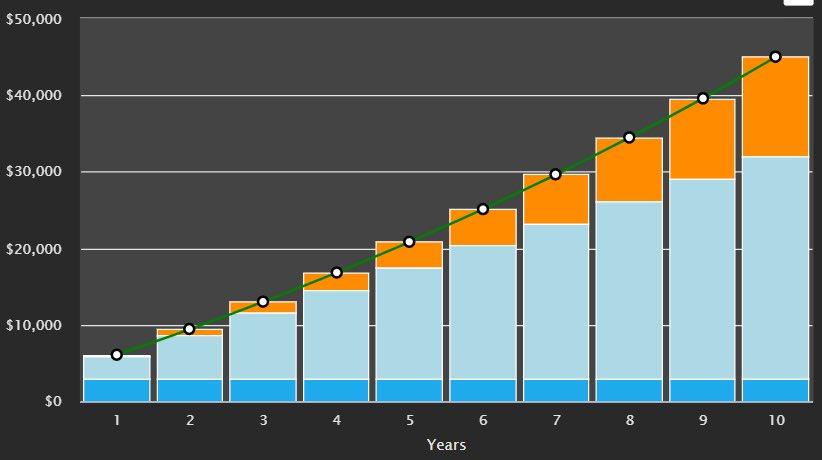
What this example shows is that bank fees compound over the long term. Monthly maintenance charges, transaction fees and add-ons quietly erode your cash flow if left unchecked. By swapping to a lower-fee plan and investing the difference, you shift money from the bank’s balance sheet into your own. Practical steps: review your account statement, tally monthly fees, and compare plans side by side. Consider simple behavior changes , fewer cash deposits, digital transfers instead of branch visits, or moving to pay-as-you-use pricing. Keep what is yours: a little attention today preserves thousands over the years.
Match your account to how you transact

A lower price tag isn’t automatically better , the account must match your transaction profile. Some low-fee plans limit free withdrawals, card swipes, or EFTs; if you exceed those, back-of-the-envelope savings vanish. Track your typical month for three months: ATM withdrawals, card purchases, POS usage, cash deposits and transfers. If Easy PAYU aligns with your habits, switch , and invest the saved fees. If not, consider a middle-ground plan or negotiate with the bank. Also try simulating costs using online calculators to be sure switching saves you money. The goal is minimizing your total cost of banking.
Watch bank pricing, non-interest revenue and trends

I keep an eye on banks’ price structures, non-interest revenue and client growth because they tell a story. As interest margins compress, banks lean on fees and commissions to keep profits up , that’s non-interest income. Watching fee changes across products shows which revenue lines are rising, and combining that with client growth data reveals whether customers are tolerating higher fees or voting with their feet. For consumers, this is bargaining power: compare offers, ask for loyalty discounts, and switch when banks’ increases aren’t justified. Public scrutiny and competitor pricing often force better deals for customers.
Practical moves: linked savings, loans and negotiation

There are practical ways to cut your fee bill beyond simply switching accounts. Bundles, linked savings accounts and having products like a home loan can qualify you for discounted fees or preferential pricing. I’ve done it , I keep a linked savings account and a home loan , and it helped with pricing. But it requires asking for the deal and ensuring the conditions suit you (minimum balances, transaction rules, or product ties). Don’t accept a bundle that forces unnecessary behavior. If the bundle fits your banking life, insist on the terms; if not, a low-fee standalone account might be the smarter move.
More from Politics
 Trends
Insurance Financial Trends: Bold Market Optimism
 Digital
Open Banking And Digital Banking Convergence: Bright Promise
 Risk
Correlation Breakdown And Portfolio Risk: Robust Outlook
 Tech