
Trends
Post-pandemic Financial Trends Spark Economic Optimism
Post-pandemic financial trends drive shifts in the economy and policy, sparking insights that upend expectations and leave readers curiously hanging.

Can a crisis really lead to hope? After a rough pandemic, some surprising shifts in pay and prices are lighting up a spark of optimism. Lower-income workers got a 13.2% bump (a boost that helps with daily needs), while others saw smaller gains. These changes show us that money might start working in a fairer way, much like rearranging a puzzle so that every piece fits better. New policies and steady improvements are opening fresh roads, setting up a future where feeling secure with your money seems within reach for everyone.
post-pandemic financial trends Spark Economic Optimism
The pandemic changed the way money moves. From 2019 to 2023, workers at the lower end of the pay scale saw a 13.2% bump in their take-home pay, while those in the middle only got about a 3.0% increase. This boost for lower-income earners is creating hope for fairer growth, even though many worry about prices staying high every day. It’s a sign that the world is slowly adjusting and breaking away from old financial habits.
Different countries are bouncing back in very different ways. For instance, inflation (rising prices) in Spain was around 1.0%, but in Hungary it jumped to 5.8% between 2019 and 2024. In contrast, inflation in the U.S. only moved up by 2.2%. In Greece, jobs increased as unemployment fell by 7.2%, all while prices only climbed by 1.2%. Even in the U.S., job numbers edged up by 0.8% while efforts were made to keep inflation steady at about 2% over the long term. These numbers show that every country has its own recovery story, and they remind us to think carefully about the best ways to manage our economies.
Investors are feeling a spark of hope thanks to strong monetary policies and smart government stimulus actions. With wages rising, jobs remaining steady, and prices under control, market players are cautiously optimistic about the future. This positive mood is drawing renewed interest in investments and suggests that solid recovery and steady growth could keep our finances on a firm path for the long run.
Monetary and Fiscal Measures Shaping Post-Pandemic Financial Trends
Federal Reserve Actions
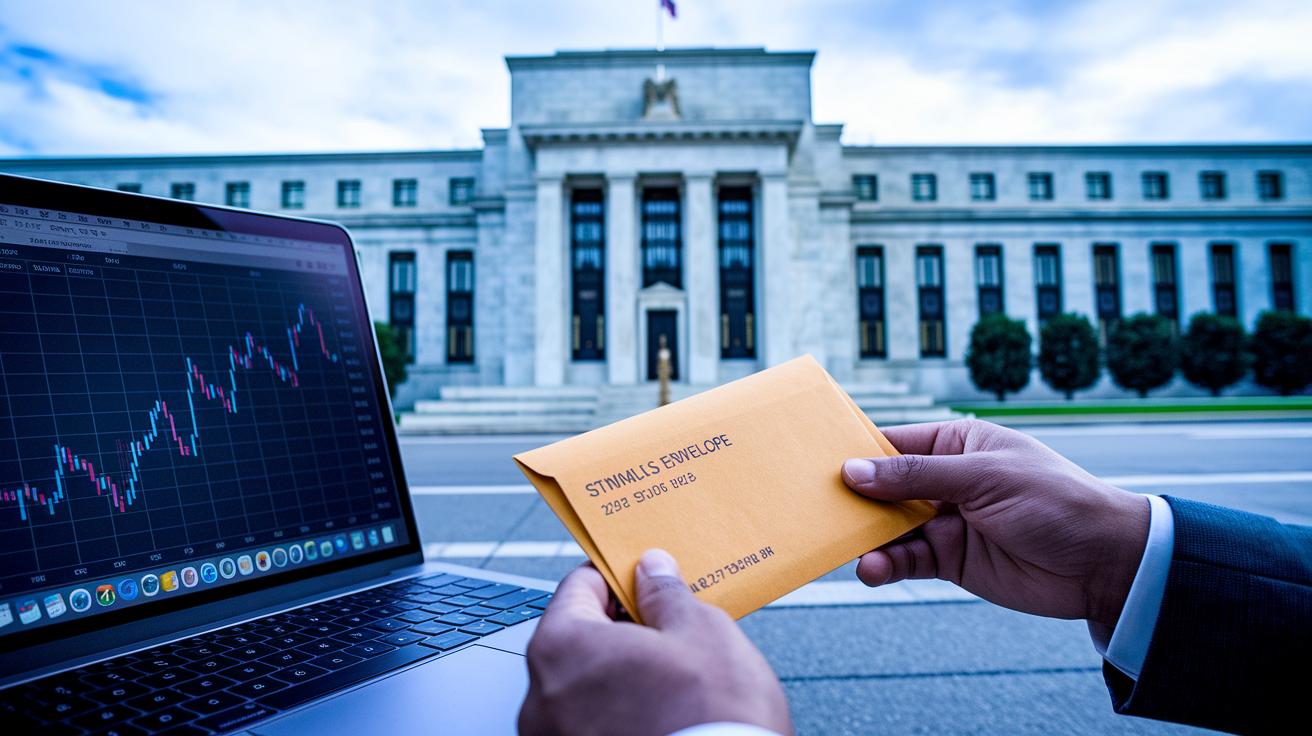
The Federal Reserve moved away from near-zero interest rates as the economy started to bounce back from the pandemic. It also used quantitative easing (which means buying government securities to put extra money into the system) to help keep the markets liquid and banks steady. They kept a sharp watch on banks to make sure everything stayed secure while tweaking policies as conditions changed. It’s like a careful balancing act that helped rebuild trust for both businesses and families during uncertain times.
Government Stimulus Programs
Major U.S. stimulus laws like the CARES Act and ARP sent important funds into the economy to support millions of households and businesses. These programs helped soften the blow of the pandemic on everyday life, even though they did add to federal deficits. The extra cash helped save jobs and keep essential services running when times were really tough. Even though the last big stimulus law was passed over three years ago, its impact can still be seen in market activity and overall recovery. This ongoing support has been a key part of keeping the economy on track since the health crisis began.
Stock Market Turnaround and Investor Confidence in Post-Pandemic Financial Trends
The markets are bouncing back since the pandemic hit, almost like getting your car running smoothly after a long stop. Both stocks and bonds are showing signs of recovery. The Cash Indicator (CI, which gives a quick look at cash health) has risen from record lows to levels that feel more normal today, even though it’s still a bit below what we used to see. Tight credit spreads (the small difference in borrowing costs) keep the CI lower, which hints that bonds might feel a bit too cozy despite the overall gain.
On the stock side, investors are leaning into high-quality companies that pay regular dividends, much like relying on a trusted friend. This shift is steadily rebuilding investor confidence and setting the stage for more consistent growth as market conditions change.
Recent trends, including measures like quantitative easing (this is when the government pumps money into the economy), have helped smooth out market ups and downs. It’s made things easier for investors to make decisions based on steady data instead of wild guesses. Analysts from market sentiment trends analysis (you can check them out here: https://nftcellar.net?p=2295) note that while there was some early nervousness, investors have now moved toward more disciplined strategies.
They’re using a straightforward guide known as the Three Layers of Risk Management, which helps them adjust quickly when surprises pop up. This approach focuses on:
- Diversification of Investments
- Real-Time Market Monitoring
- Structured Risk Limit Adjustments
This solid framework not only builds confidence during stormy times but also makes it easier to navigate everyday market shifts. With a renewed emphasis on managing risk and the revival of asset prices, the way investors behave is clearly changing, paving the way for continued evolution in post-pandemic financial trends.
Consumer Behavior Shifts and Credit Trends in Post-Pandemic Financial Trends

Real wages have bumped up noticeably. Lower-income workers saw their earnings jump by 13.2%, and middle-income folks got a 3.0% increase. Still, many are worried about rising prices. As a result, people are keeping a closer eye on their spending and saving. They’re tightening their budgets and rethinking priorities, wondering if their extra earnings can really cover today's higher costs.
Borrowing costs have also gone up because of rate hikes, putting more pressure on household budgets. Even with these higher costs, lenders are still offering credit, but they’re being more careful with loan approvals. In other words, it might take a bit more effort to get a loan, but the money is still there if you need it. Many folks are now leaning on tools like money management (a way to organize your money) on platforms like https://teafinance.com?p=149 to keep their finances in check.
Spending patterns are changing, too. Shoppers are focusing on essential buys and putting off bigger purchases, carefully managing risk in their daily choices. Many now prefer smaller, more manageable debts over long-term financial burdens. It’s a change that shows how even in challenging times, people are finding smart ways to stay on top of their money.
Global Supply Disruptions and Trade Shifts Post-Pandemic Financial Trends
The pandemic really put a spotlight on weak spots in our global supply chains. Think about it: long waits at busy ports and major shortages in computer chips left many industries scrambling to keep things running smoothly.
Starting in 2021, many large economies began to change their approach. They adjusted their trade routes, looked for new sources, and even brought some production back home, all to ease worries about future disruptions and keep things secure.
Inflation wasn’t the same everywhere, either. In some places, prices inched up a bit, while in others the increases were much steeper. This shows how local policies and market conditions can really change the rebound after tough times.
| Country | Inflation Acceleration (2019–2024) |
|---|---|
| Spain | 1.0% |
| Hungary | 5.8% |
| U.S. | 2.2% |
| Greece | 1.2% |
These shifts tell us that both governments and businesses are rethinking how they handle supplies. The regional differences in inflation highlight the impact of local economic choices, showing us that a flexible approach to trade and economic planning is key as we navigate this new financial landscape.
Evolution in Digital Banking and Fintech in Post-Pandemic Financial Trends

Since the pandemic, digital banking has completely changed how we handle money. People have been logging into their accounts more than 40% more from 2020 to 2023, showing that many now prefer using secure financial apps over visiting a branch. And with many bank branches closed, global mobile and contactless payments leapt by 55%, making every transaction feel as smooth and simple as tapping your phone.
Fintech continues to bring fresh innovations to our financial lives. Companies are rolling out new ways to manage money, whether it’s growing digital assets or streamlining online payments, so you can keep an eye on your funds securely anytime. Think of it like swapping an old cash register for a sleek, modern system that’s built for today’s fast pace.
Labor Market Transformations within Post-Pandemic Financial Trends
After the pandemic, unemployment in the U.S. took a dramatic turn. Back in April 2020, it soared to 14.8%, leaving many folks uncertain about what came next. By late 2023, though, the number had dropped to 3.5%, signaling a much healthier job market and bringing relief to workers and their families.
Remote work has proved to be a lasting change. Today, nearly 23% of full-time positions are done from home, letting people skip long commutes and find a better balance between work and family life. It’s clear this isn’t just a temporary shift, but a comfortable way many are choosing to work from now on.
Pension funds are also adapting to the new financial scene. With higher bond yields (the earnings from bonds), managers are adjusting their discount rates when planning for retirement funds. In other words, the strategies for keeping our future savings safe are changing, which means there’s a little extra learning involved to stay secure.
Corporate Restructuring and Debt Management in Post-Pandemic Financial Trends

After the pandemic, we saw a big jump in companies merging and buying each other. Global deals bounced back to about 2.7 trillion dollars between 2021 and 2022, with tech and healthcare leading the way. Companies are changing how they work to fit new customer habits and less steady markets. They even took on more debt, 6 trillion dollars in 2020, which set off waves of refinancing through 2023. This was all about getting businesses ready for a stronger, steadier future.
On the private equity side, things have changed too. Investors now have about 2.5 trillion dollars ready to put into new deals. This cash is fueling more buyouts and other smart moves to keep balance sheets healthy. As companies adjust their financial plans and keep a close eye on risks, these shifts in managing debt and assets are helping to build long-term hope for our economy.
Sustainable Finance and ESG in Post-Pandemic Financial Trends
ESG, which stands for environmental, social, and governance factors, is now a bright sign of market confidence. Companies and investors are gradually choosing projects that not only offer financial rewards but also help create a cleaner, safer world. Imagine picking green bonds the same way you choose fresh produce at your neighborhood market.
In 2021 and 2022, ESG funds saw a boost of $500 billion around the globe, up by 35% from the previous year. In 2022 alone, green bond issues reached $225 billion and loans tied to sustainability doubled since 2020. This change shows that many believe pairing financial success with eco-friendly actions benefits both business and community.
More investors view sustainable finance as a smart way to balance risks with rewards. Companies are blending eco-friendly practices into everyday financial decisions, making green investments more appealing as the economy shifts. It’s like getting two wins in one, securing a stable future while also strengthening profits. Clearly, ESG strategies have become a key element in understanding how the financial world is evolving after the pandemic.
Final Words
In the action of following how wages, inflation, employment, digital banking, and corporate restructuring changed, the blog paints a clear picture of emerging post-pandemic financial trends. Each section brings out shifts in consumer behavior, fiscal policies, and market dynamics in a relatable way. The discussion shows us that keeping an eye on these trends helps in making smarter moves and staying secure. It's a pleasant reminder that even as our financial world adjusts, there are solid opportunities ahead for growth and confidence.
FAQ
What are the post-pandemic financial trends in America, including trends in 2021 and 2022?
The post-pandemic financial trends in America highlighted shifts in wage growth, inflation, and employment that collectively signal a gradual recovery and renewed consumer confidence since 2021 and 2022.
How did COVID-19 affect the economy, especially in the U.S.?
COVID-19 affected the economy by triggering changes in job markets, supply chains, and spending habits, which led to inflation pressures and a gradual recovery process that reshaped the U.S. financial landscape.
How is COVID-19 impacting the financial sector?
COVID-19 impacted the financial sector by altering credit availability and risk assessments, while also accelerating digital banking and remote advisory services as financial institutions adapted to new consumer behavior.
Did President Biden improve the economy?
President Biden’s policies contributed to economic recovery through fiscal stimulus and reforms, supporting job growth and gradual progress, though outcomes depend on broader factors and diverse market influences.
Are businesses still struggling after COVID?
Many businesses continue to adjust post-pandemic, facing higher borrowing costs and evolving consumer demands, with some rebounding while others adapt to a market that still presents both challenges and new opportunities.
How does COVID economic recovery differ by country?
COVID economic recovery varies internationally, with some nations showing robust employment gains and modest inflation, while others face steeper inflation and slower recovery due to differing fiscal and monetary responses.
More from Politics
 Trends
Insurance Financial Trends: Bold Market Optimism
 Digital
Open Banking And Digital Banking Convergence: Bright Promise
 Risk
Correlation Breakdown And Portfolio Risk: Robust Outlook
 Tech