
Investing
Smart Retirement Investing Strategies: Boost Your Future Gains
Ready for smart retirement investing strategies that mix proven tactics and innovative tools? The unexpected twist lies tantalizingly just ahead, intriguing!

Ever wonder if your retirement plan might be missing something special? Think of building your savings like preparing a balanced meal.
In this post, we chat about easy retirement investing ideas that mix steady income (regular money you can count on) with opportunities for growth (chances to make more money). We also share simple tips on setting up your investments and adjusting them as the market changes, just like fine-tuning your favorite recipe for a worry-free future.
These insights might help boost your future gains and give you the confidence to retire comfortably.
Integrating Smart Retirement Investing Strategies for Optimal Growth and Stability
When planning for a safe retirement, tried-and-true methods are your best friend. Sticking to a regular
Strategic Asset Allocation Planning in Retirement Investing
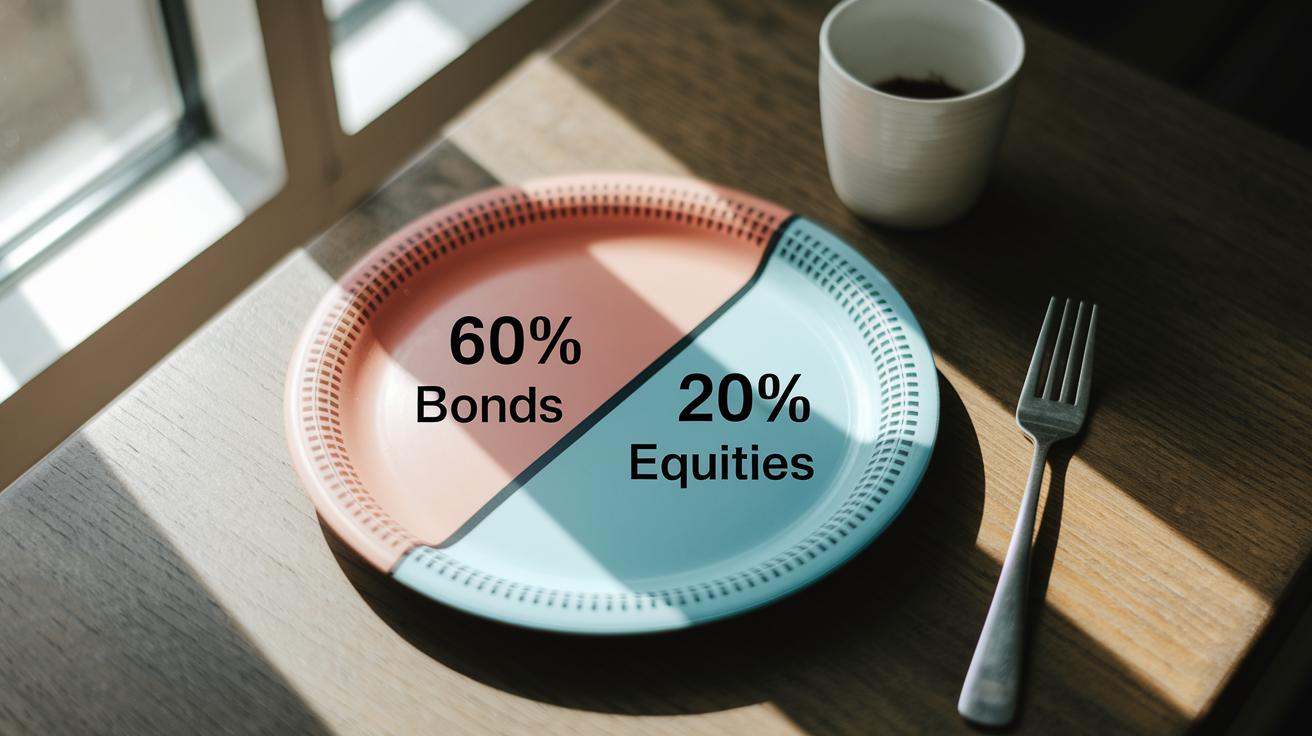
Planning your retirement portfolio is a lot like preparing a balanced meal. You want to mix steady income, like income from bonds (loans that pay you regularly), with some room for growth from stocks or other investments. A common method is to put about 60-70% in bonds and around 20% in equities. This way, you get reliable cash while still having a chance to grow your funds when the market is doing well. For more tips, you can visit Retirement Financial Planning: Bright Future Ahead.
It’s also important to check in on your portfolio regularly. Markets change over time, so you might need to adjust your mix, just like resetting a clock that’s a little off. These small tweaks help you avoid making rushed, emotion-based moves that could lock in losses when you least want them.
Finally, matching your investments with your future cash needs is key. Simple risk evaluation tools (methods to see how much you might lose) can guide you in choosing the best asset types as your expenses change. This thoughtful planning makes sure you have funds available when you need them, all while keeping your goals for both steady income and long-term growth in sight.
Tax-Efficient Asset Selection for Smart Retirement Investing Strategies
Using plans like the 401(k) and traditional IRAs lets you delay paying taxes on what you put in, so your money can grow without losing bits to taxes each year. It’s like giving your savings a boost, especially when your employer chips in extra funds. This means you get a little help now and set yourself up for a safer, stronger retirement later.
Want more ways to lower your tax bill? Consider options like Roth conversions and targeted contributions to a Roth IRA. With a Roth conversion, you move money from a traditional account and pay taxes at a lower rate today; then your funds grow tax-free for the future. It’s kind of like locking in a good deal now to ease your worries later, helping you plan ahead as tax rates change.
Finally, being smart about which assets you pick matters, too. Managing capital gains (the profit when you sell an investment) and using tax credits like the Saver’s Credit can really add up. By steering clear of overly taxable accounts, you keep the full power of compound growth working for you. In short, mixing these methods can reduce your tax burden and help your retirement savings flourish.
Diversification and Market Volatility Mitigation in Retirement Portfolios

When you’re planning for a secure retirement, it helps to spread your money among different types of investments. Think of it like not putting all your eggs in one basket. By using a mix of stocks, bonds, international markets, and other assets, you lower the risk that a single poor performer could damage your whole portfolio.
Using low-cost index tools (which track groups of stocks) and Treasury bond funds can give your portfolio a steady base during market drops. These choices often perform reliably, even when the market takes a turn for the worse. It’s a bit like having a safety net that keeps your funds more stable. Adding global stocks and alternative investments further spreads out the risk, so you’re not overly dependent on one area of the economy.
To help guard against rising prices, you might consider inflation hedging strategies. This means looking at options like inflation-protected securities (bonds adjusted for inflation) or commodities (physical items like gold) to help keep your money’s value steady as costs go up. And by rotating into different sectors or choosing safe-haven investments, you add another layer of protection to keep your capital secure even when the market gets rough.
Managing Sequence-of-Returns Risk and Longevity in Smart Retirement Investing Strategies
Sequence-of-returns risk means that if you face big losses at the start of retirement, your savings might get hurt for good. When the market drops, taking money out can force you to sell investments at a loss. Think of it like starting your retirement on the back foot when your cash flow hasn’t even settled yet.
A smart move is to keep cash handy for one or two years of living costs. This keeps you from having to sell your investments during a rough market spell. It’s like having a safety cushion that lets you breathe easy. Also, a planned withdrawal schedule works just like a good budget, it makes sure you're pulling out only what you really need. And using risk models (tools that help you measure potential downturns) can help set safe withdrawal limits while checking how your portfolio might handle tough times.
Another way to guard your money is by pairing these steps with products like annuities that promise steady payouts. Having flexible ways to take money out adds extra peace of mind, so your funds keep going through retirement. In the end, combining careful risk management with smart liquidity planning makes your retirement both secure and successful.
Building Sustainable Income Streams: Bonds, Dividends, and Annuities

Bonds are a tried-and-true option for those seeking a steady income in retirement. Think of high-quality bond funds or Treasury bond funds as a dependable monthly paycheck that helps balance out the market's ups and downs. They’re perfect if you want reliable safety in your retirement investments.
Dividend growth funds are another smart pick. These funds work hard to boost the dividend payments you receive over time, kind of like a gentle stream that keeps filling up, even against inflation. For more details on how these funds can support your everyday expenses, you might want to explore value investing for retirement.
Annuities provide a promise of lifetime income, which is very appealing for long-term stability. Yet, it’s important to review the costs, how fast you can access your money (liquidity), and any fees attached. By comparing these factors with other income sources, you can decide if an annuity fits nicely into your overall plan.
You might also consider setting aside around 5–10% of your investments in areas like real estate or private funds. Mixing these options together creates a well-rounded income strategy that can help ensure a secure and predictable retirement lifestyle.
Dynamic Portfolio Rebalancing and Exit Strategy Planning for Retirement
Balancing your portfolio once or twice a year is key to matching your risk and income goals. It’s a lot like tuning up a car so everything runs smoothly. Keeping your accounts together can help cut fees and make it easier to adjust your investments without getting bogged down by extra paperwork.
Having a clear plan for moving your funds as you near retirement is really important. For example, if you notice the market starting to shift, setting a signal to switch from growth to income assets can protect your savings. This careful move helps prevent locking in losses during wild market swings, keeping your money safe.
It’s wise to check your portfolio often in today’s unpredictable market. By using simple ideas from behavioral finance (ways to manage your emotions when making big decisions), you can avoid letting feelings rule your choices when the market dips. A quick regular review makes sure your strategy stays fresh and fits your changing needs.
Actionable Steps to Implement Smart Retirement Investing Strategies

Start by crafting a financial plan where every extra dollar works hard to secure your future. When you turn your raises, bonuses, or side income into retirement assets, you’re not only preparing for tomorrow, you’re building a safety net with each smart move. It’s like putting coins in a piggy bank that steadily grows into a treasure chest.
- First, make those raises, bonuses, or extra earnings count by directing them straight to your retirement accounts.
- Next, set up automatic contributions and bump them up a bit each time you get a raise.
- Join retirement-focused discussions in forums or book time with an advisor to keep your strategy fresh.
- Then, check in on your portfolio every six months to see if it’s hitting those important performance targets.
- Keep a rainy-day fund with enough money for 12 to 24 months of living expenses, that’s your safety cushion.
- Consider putting 5–10% of your savings into other areas like real estate or private funds for a bit of variety.
- And always remember: set up your finances so you “pay yourself first” before any impulse spending takes over.
These handy steps turn everyday money decisions into a strong retirement plan. Give this checklist a try, and you might just feel that comforting click of security with every smart decision you make.
Final Words
In the action, the article highlighted how proven tactics and innovative tools work together for strong financial growth and safety. It explained why a secure system paired with real-time insights matters in today’s market.
Both timeless advice and modern techniques build a reliable foundation:
• Clear strategic planning
• Balanced asset mix
• Tax-smart selections
• Controlled risk measures
• Timely portfolio adjustments
By combining these pillars with smart retirement investing strategies, you can foster a confident path toward a secure financial future.
FAQ
Q: What are smart retirement investing strategies for seniors?
A: Smart retirement investing strategies for seniors include diversified portfolios that balance stable assets and growth opportunities. They focus on risk management and steady income to match individual needs.
Q: How do retirement investment strategies vary by age for someone 65 or 70?
A: Retirement strategies by age adjust asset mix based on risk tolerance. For those 65 and 70, blending safe bonds with growth assets helps protect capital while providing a steady flow of income.
Q: Where should retirees invest their money for monthly income?
A: Retirees can invest in income-focused options such as bond funds, dividend stocks, and annuities. These investments aim to deliver reliable monthly returns while keeping your principal secure.
Q: What is the best investment strategy for retirement?
A: The best retirement strategy balances growth and stability. It involves a diversified portfolio with regular reviews and adjustments to manage risk and meet essential living expenses.
Q: What does the $1000 a month rule for retirement refer to?
A: The $1000 a month rule suggests planning for an extra $1000 in monthly income. This goal helps retirees cover various living costs and guides them in identifying needed income sources.
Q: What are the 4 funds Dave Ramsey recommends for a diversified portfolio?
A: Dave Ramsey recommends a mix of growth stock funds, tax-advantaged accounts, bond funds, and international investments. This combination aims to spread risk and build wealth over time.
Q: How can one turn $100k into $1 million in 5 years?
A: Turning $100k into $1 million in five years requires high-risk investments and aggressive growth tactics. It is a challenging and atypical approach for sustainable retirement planning.
More from Politics
 Trends
Insurance Financial Trends: Bold Market Optimism
 Digital
Open Banking And Digital Banking Convergence: Bright Promise
 Risk
Correlation Breakdown And Portfolio Risk: Robust Outlook
 Tech