
Markets
Zimbabwean Bank Charges 2025: Who’s Winning the Cost Game?
October 2025 review of 12 major Zimbabwean banks finds average individual maintenance fees of $5.20/month, ATM charges around 3%, and structural reliance on fee income — Stanbic cheapest, CABS priciest. Neo-banks may shake things up.
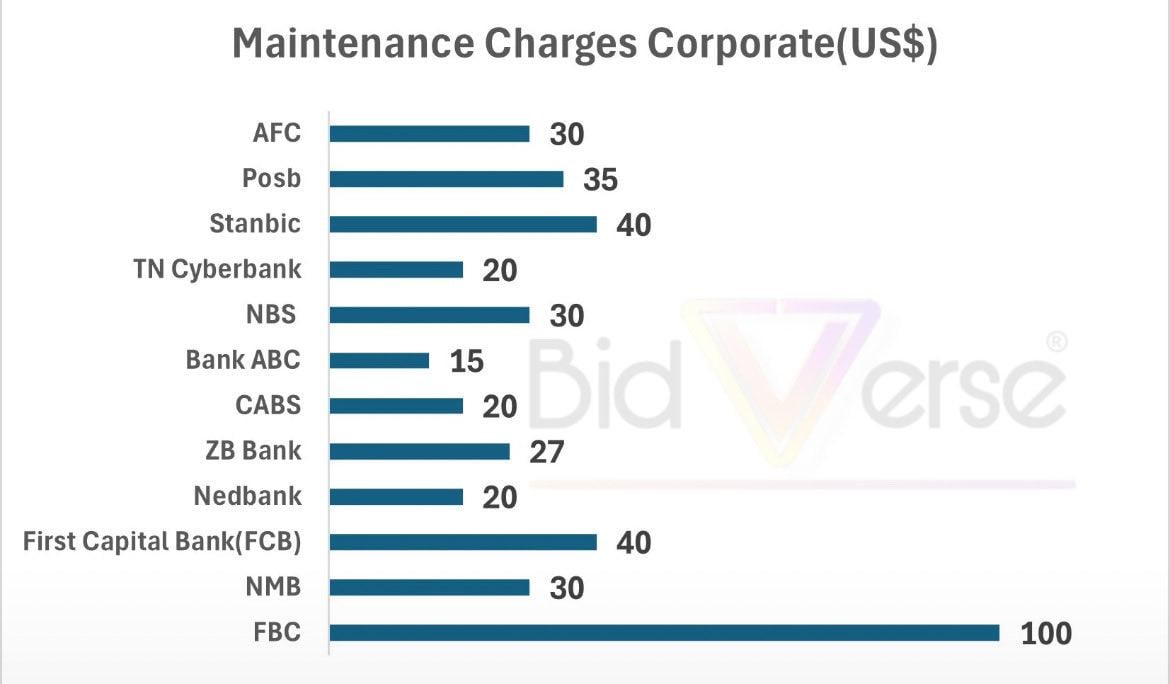
After reviewing October 2025 tariffs across 12 major Zimbabwean banks, I compiled a snapshot of account and card charges. CBZ was excluded because its site is download-proof; other omissions include Metbank and some treasury-backed banks such as Empowerment Bank. Key numbers: average individual maintenance fee $5.20/month (Stanbic lowest $2; CABS highest $10). Corporate maintenance averages $34.80 (BancABC $15; FBC $100). Debit-card fees range $0 (Nedbank) to $10 (AFC) but zero-fee cards often require minimum balances. ATM withdrawals hover around 3% (ZB and CABS 2.5%; TN CyberTech 2%). The RBZ calls charges burdensome but fees remain sticky, costing many low-value customers $7–$10 monthly and discouraging saving. Neo-banks promising zero maintenance deserve attention.
Quick Insights: Bank Charges Snapshot (Oct 2025)

After reviewing October 2025 tariffs across 12 major Zimbabwean banks, I compiled a snapshot of account and card charges. CBZ was excluded because its site is download-proof; other omissions include Metbank and some treasury-backed banks such as Empowerment Bank. Key numbers: average individual maintenance fee $5.20/month (Stanbic lowest $2; CABS highest $10). Corporate maintenance averages $34.80 (BancABC $15; FBC $100). Debit-card fees range $0 (Nedbank) to $10 (AFC) but zero-fee cards often require minimum balances. ATM withdrawals hover around 3% (ZB and CABS 2.5%; TN CyberTech 2%). The RBZ calls charges burdensome but fees remain sticky, costing many low-value customers $7–$10 monthly and discouraging saving. Neo-banks promising zero maintenance deserve attention.
Stanbic's 'Touch' Move , What it Signals

Thread replies like 'Touch is a move' signal approval for Stanbic's approach. With a $2 monthly maintenance fee Stanbic sits at the bottom of the cost ladder, and 'Touch' likely refers to a digital-first or contactless push that reduces branch overhead. If Stanbic sustains a digital distribution strategy, unit costs fall and the bank can offer cheaper recurring fees. That may force competitors to follow, but customers must compare total cost: card fees, transaction charges and minimum-balance rules can cancel savings. The true benefit arrives when digital adoption is permanent and fees are structurally lower rather than promotional.
Culture & Systems: The Real Driver of Fees

Several thread responses suggest the problem is cultural and systemic across the sector. Zimbabwean banks operate with similar incentives: revenue models that prioritize fee income, legacy IT systems, and cautious lending. Those shared patterns mean one bank cutting fees doesn't automatically reset industry norms. CABS' moves show peers can converge, but durable change needs better payment rails, regulatory nudges from the RBZ, and adoption of modern platforms. Neo-banks and wallets will increase pressure, but institutional reform and changes to profitability models are essential if customers are to see sustained reductions in maintenance and transaction costs.
Why Some Banks Were Omitted: Transparency & Scope

Omissions were intentional and practical: CBZ blocked downloads, while non-mainstream banks like Metbank and some treasury-backed institutions including Empowerment Bank were left out. That matters because included samples shape averages; government-backed banks or niche players may price services differently, sometimes cross-subsidizing maintenance or relying on different revenue mixes. The absence highlights transparency and data-access problems in the sector. When major players refuse to publish machine-readable tariffs, comparative work is harder and conclusions should be caveated. Future iterations should include those banks once reliable data is available to present a fuller market picture.
Revenue Mix: Fees Outweigh Interest

A key thread point: banks often earn more from service fees than from loan interest. Zimbabwe's low loan-to-deposit ratio , among the lowest in SADC , means lending has been limited; credit risk, regulatory constraints and subdued demand suppress interest income. Fees are a predictable, low-risk revenue source, so banks rely on maintenance charges and transaction levies to sustain margins. That structural reliance explains the stickiness of fees: unless lending markets deepen or banks cut costs via digital distribution, fee reductions will be hard to sustain. Consumers bear the brunt unless profitability models change or regulators step in.
Micro Research Matters: Don't Dismiss the Details

The 'elephant in the room' critique , that a narrow study misses broader macro problems , is familiar but misplaced when used to dismiss micro analysis. Documenting bank charges matters because it shows immediate harm: fees erode savings, push people to cash, and hinder financial inclusion. Micro-level evidence complements macro narratives; it identifies levers for targeted policy: fee caps for low-value accounts, transparent pricing, and support for zero-maintenance digital options. Policymakers should use these findings to protect vulnerable customers while pursuing broader economic reforms. Both micro and macro perspectives are necessary to fix the incentives that keep fees high.
More from Politics
 Trends
Insurance Financial Trends: Bold Market Optimism
 Digital
Open Banking And Digital Banking Convergence: Bright Promise
 Risk
Correlation Breakdown And Portfolio Risk: Robust Outlook
 Tech