


Do you ever wonder if your money could work smarter without any unwanted surprises? New investing tools and solid, easy-to-understand data can help you share risk (or protect yourself from big losses) while aiming for steady growth. Think of it like putting together your favorite sandwich, each ingredient matters, and when they mix just right, the result is satisfying. This article shows how modern methods can guide you toward choices that feel secure and confident, bringing a sense of hope and optimism to your financial journey.
Data-Driven Overview of Smart Investing Trends

Smart investing trends analysis is about finding opportunities that offer good returns while keeping risk low. It’s like choosing the right ingredients for a favorite meal. Investors use this method to even out the market’s ups and downs and build wealth without worrying too much about sudden changes.
This approach is built on four main ideas. First, diversification means spreading out your investments over different areas, much like lightly buttering several pieces of toast instead of just one. Then comes fundamental analysis, which involves looking closely at costs and revenues (basically, checking the numbers) to understand an asset’s true value. The third idea uses tech-driven analytics, where smart software scans loads of market data to spot trends super fast. And finally, a long-term view helps investors benefit from steady growth over time, reducing the stress of short-term market swings.
Next, we’ll dive into how global trends, innovative technology, and emerging markets are changing the way we invest. Soon, you’ll see detailed insights and research that show how modern analytics and broad market trends are helping investors make smarter, more resilient choices.
Algorithmic and AI-Driven Investing Trends
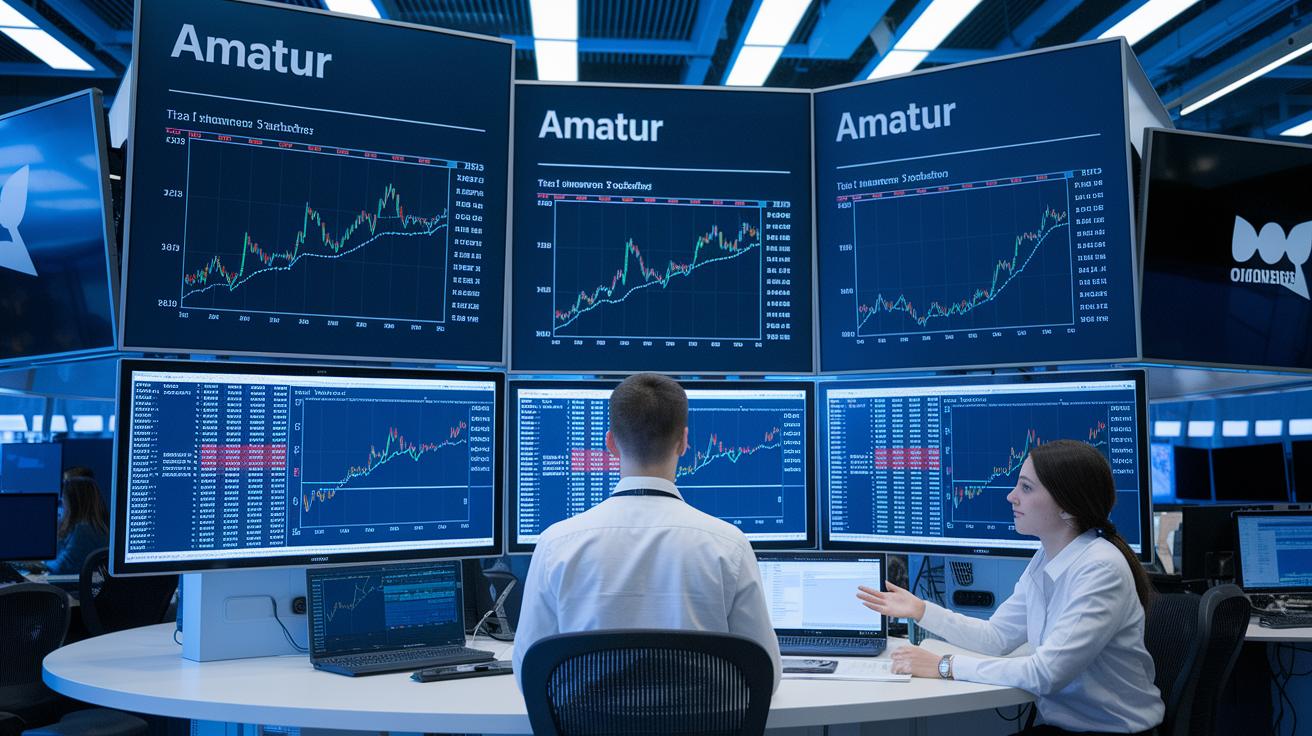
Advanced software apps help investors spot trends fast. These tools catch patterns and make trades in milliseconds, almost like that quick click when you check your clock. This kind of speed cuts out guesswork because every move is backed up by solid data.
AI investing is really changing the game. It uses machine learning (a method where computers learn from data) to get better at predicting market trends. It pulls information from both detailed financial reports and even bits of news. Think of it as a smart engine reading through tons of market info in no time, offering you signals you can trust for quick decision-making.
When you blend these smart systems together, you see a clear shift in how we invest. By mixing precise algorithm trading with AI’s forecasting, investors can catch market changes early. This mix of automated analysis and real-time data helps create strategies that are both careful and efficient in today’s fast-paced market.
Big Data Analytics and Quantitative Trend Detection

Big data platforms collect huge amounts of information about markets, the economy, and even alternative sources like transaction records and consumer habits. This information goes way beyond simple numbers, uncovering hidden patterns and trends that traditional methods might miss. Imagine noticing a slight change in shopping habits with each season, this insight can help investors quickly adjust their strategies.
In these systems, quantitative models use everyday statistical methods (for example, checking trends and using simple math to see if prices are rising or falling) to find emerging price patterns. These models often double-check trends by looking at key financial details from company reports (like costs and revenues). Think of it like putting together a puzzle where every piece of data helps reveal a clearer picture of the market.
All of these ideas come together in a smart, automated system that watches real-time data for any signs of opportunity. It’s like having a watchful assistant who alerts you when the market conditions are just right for a move. This process helps investors feel relaxed and ready to make decisions based on solid, up-to-date information.
Smart Portfolio Management: Diversification and Risk Strategies

Managing your investments smartly means spreading your money across different asset classes, industries, and regions. Think of it like not putting all your eggs in one basket. If one area stumbles, the others can help keep things steady. Dynamic allocation is all about watching the markets in real time and adjusting your investments as things change, kind of like tweaking the sails when the wind shifts, keeping your course steady even during rough patches.
A clear strategy is key here. By mixing diversification with built-in risk tools, you can keep your portfolio balanced. Dynamic rebalancing moves your funds to match the current market beat, helping you avoid taking on too much risk. And then there are practical tools, like stop-loss orders (automatic selling when prices fall too much), options hedges (a kind of insurance against drops), and volatility filters (tech that watches market ups and downs), that serve to limit losses while letting you make the most of good market moves.
Diversification Techniques
Imagine giving each of your investments an equal slice of the pie. Equal-weight methods work just like that, ensuring no single asset gets too much focus. Then there’s risk-parity, this technique spreads the risk evenly so you’re not overly exposed to one area. And with sector rotation, you shift your funds among different industries based on market cycles and opportunities, which can feel a lot like swapping ingredients in your favorite recipe to keep the meal balanced.
Risk Management Frameworks
Risk management is like having a safety net. Stop-loss strategies automatically trigger a sale if an asset's value drops too low, protecting you from bigger losses. Hedging with derivatives works by offsetting potential losses, a bit like taking out an insurance policy. Meanwhile, volatility monitoring systems keep a close eye on market fluctuations, giving you real-time updates so you can breathe easier knowing that a secure plan is in place.
Long-Term Trend Forecasting and Investment Horizons

Looking at trends over the long term helps smooth out the everyday market noise and capture the magic of compound growth. When you focus on the big picture, you avoid the jitters of daily ups and downs, letting small gains pile up into something impressive, kind of like a tiny snowball that grows bigger as it rolls downhill.
Techniques like scenario modeling (imagining different possible futures) and Monte Carlo simulations (testing many random outcomes using past data) help show how your investments might perform under various economic moods. Think of it as trying different recipes to see which one turns out tastiest, a practical way to prepare for what may come next.
Using these forecasts means you update your investment plan whenever new market details pop up. By checking in on trends and understanding shifting economic signs, you can adjust your strategy with real confidence. This hands-on approach keeps your portfolio steady and aligned with your long-term financial goals, even when the market takes unexpected turns.
Digital Platforms Propelling Smart Investing Trends

Digital platforms are changing the way we handle our investments by mixing smart technology with everyday money decisions. They give you real-time updates that make checking your funds feel both easy and secure. By simplifying complicated tasks, these tools help you focus on building strategies that truly match your goals.
Nowadays, fintech is really stepping into the spotlight. These platforms are quickly learning how to give you access wherever you are, along with useful built-in features. For example, robo-advisors offer automatic portfolio management that not only cuts down on advisory fees but also keeps your investments in tip-top shape.
- Robo-advisors: They automatically set up and adjust your portfolio so you get a plan that fits you perfectly without the high costs.
- Algorithmic trading suites: These tools use quick computer models to make trades based on set market signs, almost like a fast and smart helper.
- Analytics dashboards: Whether on your desktop or phone, these dashboards show live updates, custom alerts, and clear trend maps so you understand your data easily.
- Risk-management software: This keeps an eye on market ups and downs and can set up measures like stop-loss orders to help protect your money.
- Fundamental-research apps: They dig deep into market trends and company details so you can base your choices on the latest and most solid info.
More and more, investors are choosing digital platforms because they work fast and are simple to use. Cloud-based tools give you steady access to model portfolios, detailed risk reports, and all the latest market news. Fintech even brings together trading, research, and tax help in one easy-to-use setup (fintech is a blend of technology and finance that makes managing money smoother). This mix of technology and money management is boosting investor confidence and making smart investing a key part of today’s portfolio management.
Final Words
in the action, smart investing trends analysis shows us how modern tools and straightforward strategies can simplify managing our money. The article explores data-driven insights, risk control, and smart portfolio diversification. It also highlights the benefits of algorithmic systems and digital platforms for real-time market updates. This clear approach helps keep our investments secure and our strategies agile. The insights shared here remind us that staying informed can boost both our confidence and financial growth. Embrace these ideas and keep moving forward with a positive mindset.
FAQ
Q: What does smart investing mean for beginners and what defines a smart investor?
A: Smart investing for beginners means using clear, data-based techniques to choose investments that balance return with risk. It includes spreading out assets, examining fundamentals, and using simple tools that help grow wealth.
Q: How is smart investing portrayed in today’s newspapers?
A: Smart investing in newspapers is shown through market trends, expert advice, and success stories, helping readers understand shifts and smart ways to manage their investments with confidence.
Q: What benefits does a smart investment app offer?
A: A smart investment app provides real-time market updates, automated portfolio rebalancing, and clear insights to help you track performance and make well-informed decisions with ease.
Q: What insights does a smart investor book provide?
A: A smart investor book explains key analysis methods, risk control, and practical tips for building and protecting your portfolio, making investing concepts accessible and beneficial for readers.
Q: How does a smart investment plan work?
A: A smart investment plan combines clear, data-based strategies with diversified asset allocation and risk management, helping you steadily build wealth through consistent, long-term actions.
Q: What does smart investment in real estate involve?
A: Smart investment in real estate means studying market trends, evaluating property values carefully, and spreading risk across different investments, which can help secure a steady income stream over time.
Q: What is the 7% rule in stocks?
A: The 7% rule in stocks means aiming for an average annual return of 7% on a portfolio, serving as a realistic target based on historical market performance over the long run.
Q: What is the 7 3 2 rule?
A: The 7 3 2 rule offers guidance on dividing investment funds among different asset classes, balancing risk and reward by designating specific proportions for growth and safety.
Q: What is Warren Buffett’s 70 30 rule?
A: Warren Buffett’s 70 30 rule suggests keeping 70% of your funds in stable stocks that pay dividends and 30% in growth opportunities, blending security with the potential for higher returns.
Q: What if I invested $1,000 in the S&P 500 10 years ago?
A: Investing $1,000 in the S&P 500 10 years ago would have benefited from compound growth and market recovery, showing how long-term, diversified investing can significantly increase initial capital.