Risk
Behavioral Biases Affecting Portfolio Risk: Expert Insights
By tomharris
November 28, 2025
Field Notes
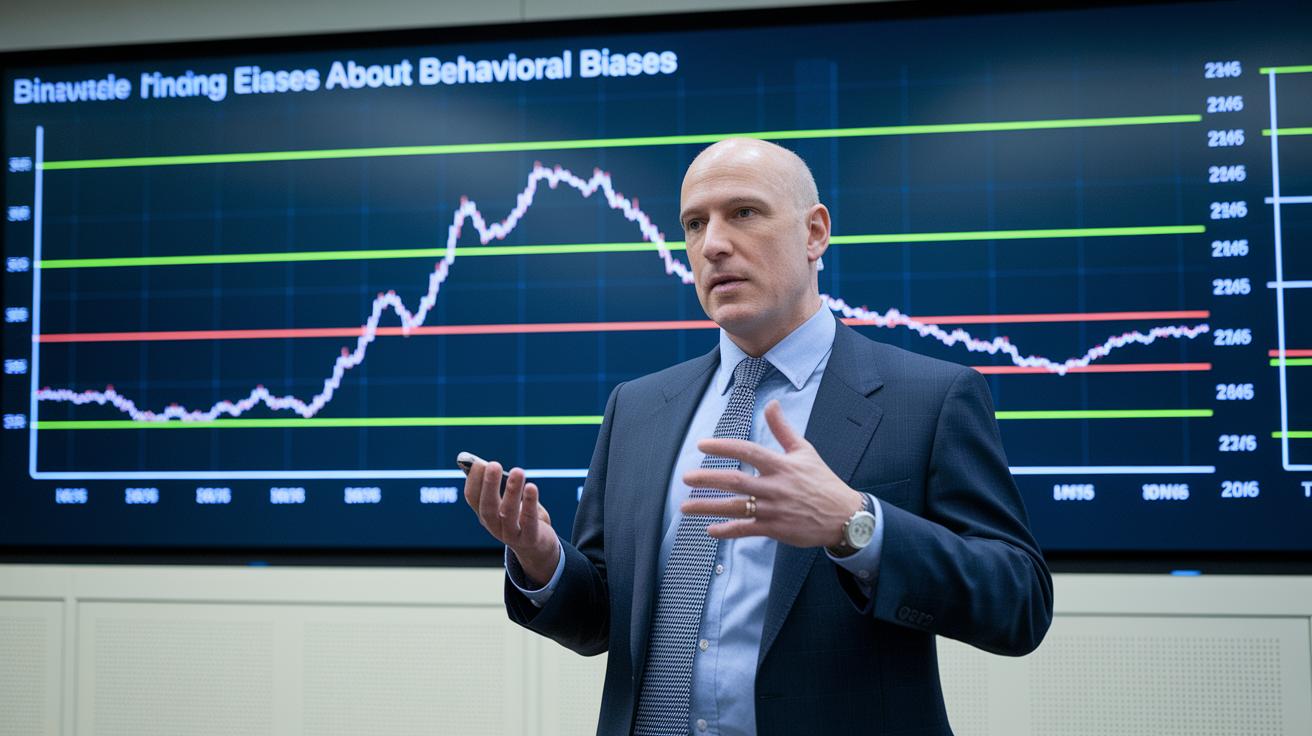
Have you ever noticed that sometimes your gut tells you to take risks with your money? We all like to think we make smart choices, but feelings like fear or greed can sneak in and throw us off course.
Research shows that many of us overestimate our ability to pick the best investments, which might bring unexpected risks. Keep reading as we share friendly tips that explain how your daily habits might be quietly affecting the safety of your investments.
Ever think about how a simple shift in perspective could help you keep your portfolio steady and balanced? We’ll walk you through it, step by step.
Behavioral Biases Affecting Portfolio Risk: A Comprehensive Framework

People used to say that investors always act logically and that markets run like clockwork. But the truth is, our choices are often swayed by feelings like greed and fear. In fact, a Gallup study in 2019 found that nearly 64% of investors think they're better than they really are. This overestimation often leads us to take risks without even realizing it. Researchers like Kahneman and Tversky explained this in their work on prospect theory (which is a way to understand how we view gains and losses), showing that our thinking can get clouded by unseen biases.
Five common biases can sneak into our investment decisions and bump up our risk levels:
| Bias | Portfolio Risk Impact |
|---|---|
| Overconfidence | Trading too much and taking big risks because we overestimate our skills |
| Herd mentality | Copying what everyone else is doing, which can make market swings more extreme |
| Loss aversion | Holding on to losing investments too long because selling feels like admitting a mistake |
| Anchoring | Sticking to early data or numbers, which delays our response to new market changes |
| Confirmation | Only looking for information that backs up our beliefs, leading to unbalanced portfolios |
By spotting these biases, we can better handle the little blind spots in our decision-making that traditional theories might miss. Each bias affects our investment risk in its own way, so being proactive is key. For more ideas on keeping your portfolio in check, check out Portfolio Risk Management: Fresh Strategies For Success.
Overconfidence Miscalculations and Portfolio Overexposure

About 64% of investors tend to overestimate what they know, which often leads them to trade too frequently and take on more risk than they should, almost like believing you're a race car driver in a slow, traffic-packed street. This extra confidence can push folks to make snap decisions without doing the simple checks first.
It’s interesting to note that this kind of aggressive trading can reduce yearly returns by up to 2%. For instance, during the tech bubble in 1999–2000, some traders doubled down on losing bets, firmly believing that one more big move would turn their situation around. Imagine holding on to poor-performing stocks simply because you’re sure persistence will pay off.
Recognizing these mental traps is really important for keeping risk in check. Taking a step back to review the data and tweaking your position sizes can help you maintain a balanced portfolio and steer clear of overexposure.
Loss Aversion Missteps and Risk Retention

Loss aversion happens when the pain of losing money feels much stronger than the joy of making the same amount. Kahneman and Tversky showed us that this bias can make investors hold on to underperforming assets longer than needed because they're hoping for a rebound instead of cutting their losses.
Studies show that investors influenced by this bias might keep losing stocks about 20% longer than winning ones. Take Stock XYZ, for example. Even when signs of recovery were clear, it was kept for six months. This delay in selling not only slowed down profit-taking but also threw the portfolio off balance, increasing overall risk by roughly 15%. In other words, letting emotions steer your decisions can lead to less-than-smart exits.
This habit of holding onto bad investments can pile on extra risk because the fear of losses stops you from rebalancing your assets when needed. By relying on clear, data-driven strategies, you can better manage your investments and avoid these emotional traps.
Anchoring Distortions Leading to Mistimed Decisions

Anchoring bias happens when you fixate on an early number, like the price you first paid or an asset’s old peak, even when the market has moved on. It’s like holding onto a favorite memory even though the scene has changed. Ever notice how some investors keep a stock simply because that original price feels like a safe point?
This old fixation can delay making smart moves with your investments. Many times, traders won’t sell at a loss because they’re stuck on that first number, that special price. Research shows that this habit can lead to poorly timed exits, leaving you in losing positions longer than needed.
When you let that first impression steer your decisions, market timing can really go off track. It’s a bit like trying to drive a car while staring at an old landmark instead of watching the road ahead. This approach not only cuts into your chances of making gains but also ups the overall risk in your portfolio.
Confirmation Misinterpretation Reinforcing Risky Allocations

Sometimes we tend to trust only the news that backs up our current investments, forgetting to look at the warning signals. It’s like turning a blind eye to red flags because we only want to hear the good stuff. Imagine checking out only the happy reports on a stock you own while ignoring the not-so-good ones, it’s like hearing only half the story.
Studies show that when you only focus on the positive, your investment mix can lose about 15% of its potential. This happens because you might skip over important, cautionary details (think of this as missing hints that your money needs extra protection). If you rely only on the good news, you can end up with a lopsided portfolio, leaving you open to risks you could have avoided.
Ignoring different viewpoints can create blind spots that mess with your overall financial balance. Take the tech boom in 2020, for example: many investors stuck to their sunny outlook and missed the less cheerful trends in tech, ultimately locking themselves into risky positions that slowed down their overall performance.
Herd Mentality in Markets Driving Risk Concentration

Herd mentality in markets happens when many investors simply follow the crowd because everyone else is doing it. It’s that nagging fear of missing out that drives people to make quick decisions without checking the facts thoroughly. This common mistake can add extra risk, far above what a balanced plan would normally allow.
You can really notice these mood swings in the markets during tough times. For example, during the 2008 crisis, a herding gauge shot up by 25% as a bunch of investors panicked and acted at the same time. And in 2017, the rush for crypto led to a 40% week-over-week jump in retail buying. These shifts show how following the crowd can quickly turn shared emotions into major risks.
This behavior not only causes wild price swings but also adds stress to the overall market system. When people stick with the group, they tend to overlook solid financial facts and sound investment strategies. As a result, they often hold on to risky positions longer than they should, which ramps up both volatility and concentration of risk. Recognizing these patterns can guide you back to making careful, fact-based choices.
Data-Driven Mitigation Strategies for Behavioral Biases and Portfolio Risk

Using hard data can help steer you clear of mistakes that might put your investments at risk. With automated tools like rebalancing and risk-parity (ways to adjust your investment mix to match risk levels), you can avoid common traps like being too confident or fearing losses too much. For example, diversifying (spreading your money across different areas to lower ups and downs by about 30%) isn’t just a tip, it’s a strategy that really works. Pairing this with regular, data-focused reviews creates a safer place for your money. It means you can rely on real-time signals instead of instincts or old habits.
When you use clear numbers and smart systems, guessing turns into a solid, step-by-step plan. Automated tools monitor your portfolio, letting you know when little biases start to creep in and suggesting simple adjustments. This process protects your assets and gives you confidence in managing your money. It comes down to a few easy steps, from setting regular review points to choosing models that fit your comfort with risk. Every decision you make is backed by the latest market information, so you’re basing your choices on actual data, not just feelings.
- Regular rebalancing check-ups
- Diversifying across different markets (like spreading your eggs among several baskets)
- Alerts that flag early signs of bias
- Models that adjust risk based on real-time data
- Routine reviews with expert support
Final Words
In the action, we explored how overconfidence, loss aversion, anchoring, confirmation, and herd mentality can shift financial choices and affect portfolio risk. We broke down each bias and shared simple, data-driven tips to guide your investment decisions.
By understanding behavioral biases affecting portfolio risk, you can make smarter, more secure moves with your money. Use real-time market insights and proactive strategies to stay ahead and strengthen your financial future. For more on structured risk controls, visit our portfolio risk management at https://teafinance.com?p=209.
FAQ
Q: What do PDFs reveal about behavioral biases in finance?
A: PDFs on behavioral biases show how emotions and cognitive errors, like overconfidence or loss aversion, affect portfolio risk. They offer clear examples and research insights to help investors understand these influences on decision-making.
Q: What is an example of behavioral biases affecting portfolio risk?
A: An example is overconfidence leading to excessive trading. Research shows that such biases can result in greater portfolio risk by pushing investors to make aggressive bets without solid reasons.
Q: How do behavioral biases influence investment decision-making and how are they assessed through questionnaires?
A: Behavioral biases tilt investment decisions by causing errors like overtrading. Investors can use questionnaires to spot these biases by answering targeted questions that reveal personal tendencies in decision-making.
Q: How does a serial mediation analysis show the impact of behavioral biases on investment decisions?
A: Serial mediation analysis reveals how one bias can trigger another, ultimately worsening investment outcomes. This method helps break down the chain of effects that biases have on decisions and portfolio performance.
Q: How do behavioral biases influence organizational behavior?
A: In organizations, behavioral biases can shift team decisions and risk approaches. These biases often lead to practices that compound risk-taking, affecting overall strategy and performance within the company.