

Ever wonder how banking got so simple that a tap on your phone does it all? With digital banking, you can take care of everyday money tasks right from your computer or phone, no need to visit a branch. You can open accounts, send money, and pay bills with just a few clicks. Millions of people use digital banking these days because it feels secure and quick, like the smooth click of a secure login. In this post, we explore what digital banking is and show how it makes managing your money feel effortless.
Digital Banking Explained: Definition, Scope & How It Works
Digital banking lets you manage your money without stepping into a bank branch. Instead, you handle everything on your computer or smartphone through websites and mobile apps. You can open accounts, move money, pay bills, and even deposit checks with a simple snap from your phone’s camera. Basically, digital banking is a modern way to do your everyday financial tasks safely and easily.
Today, 1.75 billion digital banking accounts handle almost $1.4 trillion in transactions every year. That comes out to about $2.7 million processed every minute. These numbers show just how popular and reliable digital banking has become. Banks and fintech companies are always working on making these tools even better by adding real-time alerts, automatic savings features, and secure account setups that make your life easier.
The journey of digital banking began way back in the 1960s with ATMs, which were the first steps toward banking from afar. By the 1990s, online banking was opening up more options, and the introduction of the iPhone in 2007 really boosted the rise of mobile banking. Now, there are banks that operate entirely online, which means you get smooth and efficient services without ever needing a physical branch, all while keeping your funds and information safe.
Evolution of Digital Banking Platforms & Financial Technology
Digital banking has come a long way and now changes how we handle money every day. Early on, ATMs, online banking, and mobile apps set the stage. Today, these innovations let us run banks using smart data and safe digital practices that can cut costs by nearly 70%. Experts even say that by 2025, digital banks might earn about $1.61 trillion in net interest income, and that number could grow to $2.09 trillion by 2029. In places like China, the numbers could hit $528.8 billion by 2025, showing just how much the game is changing.
Neobanks, which are banks without traditional branches, are also making a big splash. They use quick, automated systems that let you handle your accounts smoothly. Banks now rely on real-time data (information used for immediate analysis) to make smart changes to loan portfolios and ensure safe, fast access for everyone.
| Year/Period | Milestone | Impact |
|---|---|---|
| 1960s | ATMs introduced | Started the digital banking journey |
| 1990s | Online banking debut | Made remote banking possible |
| 2007 | First iPhone released | Launched mobile banking apps |
| 2010s | Rise of neobanks | Brought branchless banking to life |
Imagine this: banks that moved to automating many tasks were able to reduce their operating costs by 70%. This surprising fact shows how technology not only saves money but also changes how banks connect with their customers. In today’s world, banks are always finding new ways to use technology to improve service and create strategies tailored to each market.
Core Features & Benefits of Digital Banking Services
Digital banking makes handling your money feel effortless. You get to manage your funds anytime on your smartphone or computer, with an account that truly looks out for your financial needs. It comes with clear perks like lower fees and better interest rates so you can save more while enjoying modern conveniences.
Think of it as a handy tool that does more than just pay your bills. It helps you track what you spend, saves money for you automatically, and even sends you a quick alert every time a transaction occurs. Each tap helps keep you informed and safe.
You also get real-time push notifications that update you instantly. This means you always know what's happening with your account. Automated savings tools work quietly in the background, helping you put money aside without any fuss.
The service even makes payments easy. With seamless integration for apps like Venmo, Zelle, Apple Pay, and Google Pay, sending money becomes as simple as a few clicks. And if you ever need to deposit a check, just snap a photo using your phone.
For budgeting, AI-powered tools (smart tech that learns from your habits) break down your spending and offer friendly insights into your financial routine. Plus, having 24/7 access gives you full control whenever you need it.
Lower fees and more competitive rates mean you won’t face the hassle of visiting a branch, while cashback rewards and easy money transfers save you both time and money.
In a nutshell, these digital banking features make managing your finances both easy and secure. It’s a modern experience crafted to fit neatly into your busy lifestyle, making money management feel natural rather than complex.
Digital Banking vs Traditional Banking: Comparative Insights

Digital banking lets you open an account in just a few minutes using your phone or computer. Instead of waiting for days, you can start managing your money almost right away. With digital onboarding, a smart system checks your identity in a flash (a secure way to confirm who you are), so you can dive into your account without the long waits of old-school banks.
Costs are another big difference. Digital banks typically charge lower fees because they don’t have as many physical branches to run. This means you might see better interest rates on your savings and even some cool cashback deals. Traditional banks have more overhead, so they often pass on those higher costs to you.
Access and speed are where digital banks really shine. They work around the clock, so you can make transactions day or night from anywhere. Your money moves in real time, giving you immediate control. On the flip side, traditional banks usually stick to regular business hours and need you to visit in person, which can slow things down.
Types of Digital Banks & Platforms
Digital banking has come a long way. Today, you can choose from a range of online banking options designed to meet different money-management needs. Some of these platforms work entirely online so you never have to visit a branch. Others blend easy online access with mobile features that let you handle your finances quickly and securely.
Each platform has its own mix of licenses, services, and target customers, which makes it easier for you to pick the one that fits your personal or business style. It’s like choosing the perfect tool for a job.
Let’s break it down:
- Neobanks: Banks that work only online and offer all the usual services without physical branches.
- Challenger Banks: These focus on serving groups that might feel ignored by larger banks, offering flexible and customer-friendly services.
- Legacy Banks with Digital Arms: Established banks that now provide dedicated online features alongside their traditional services.
- Fintech Service Platforms: Companies that use tech to offer special services like secure payments, loans, and investing tools (think of it as smart money management).
Each of these models is changing how we manage money. By combining convenience, modern technology, and competitive pricing, digital banking options help you keep your finances secure in today’s fast-paced world.
Security, Compliance & Risk Management in Digital Banking
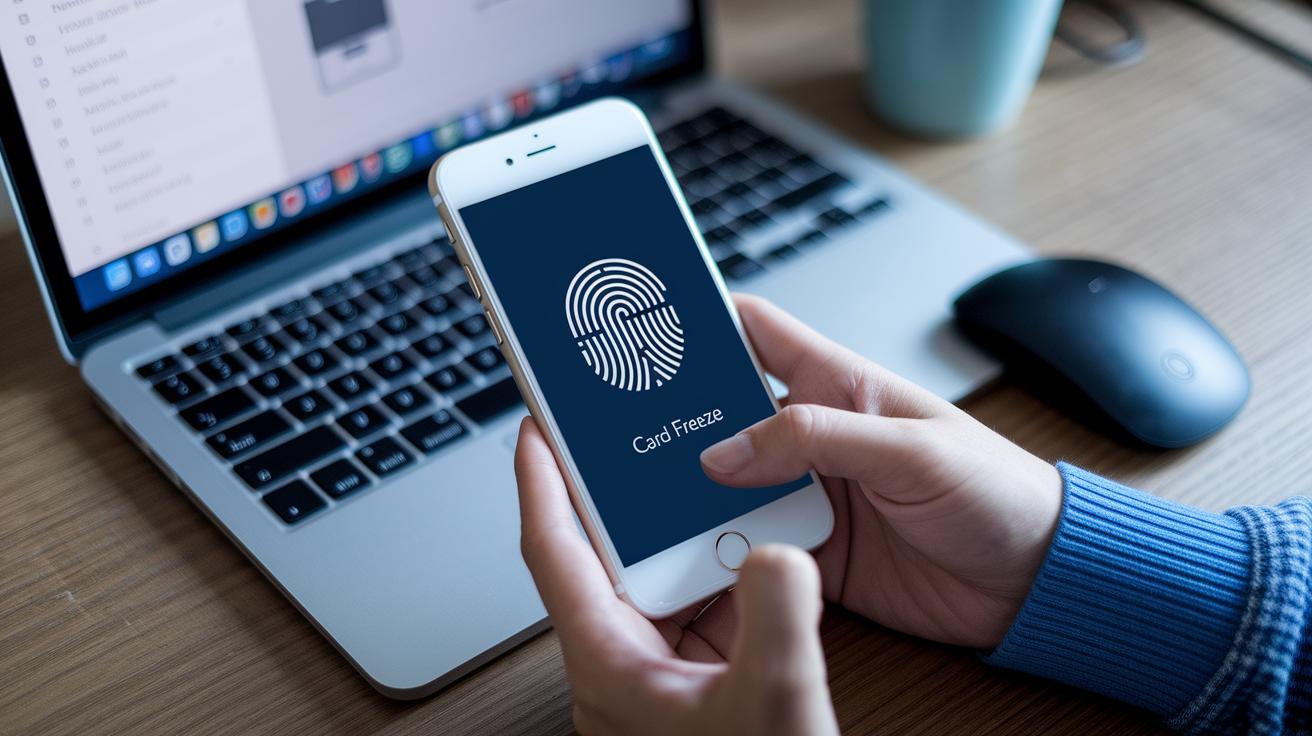
Digital banks work hard to keep your money and personal details safe using solid, trustworthy methods. They rely on systems that check who you are (a secure way of confirming your identity) and guard your information against fraud or breaches. These security steps ensure that banking online remains not only secure but also fast and easy to use.
They bring in smart ways to verify you, like multifactor and biometric checks. Imagine it like having a unique key or fingerprint needed to open your safe. They also let you freeze your card instantly if anything seems off, giving you quick control when needed. Plus, they set up automatic sign-outs for inactive sessions so that if you step away for a bit, your account isn’t left open. They also use end-to-end encryption (a method that scrambles your data to keep it private) to guard your details from start to finish. And with built-in processes to know your customer (KYC) and prevent money laundering (AML), you can get started in minutes while following all the rules.
AI plays a big role, too. The smart systems learn from every transaction, catching unusual patterns that might hint at fraud before it becomes a problem. It’s like having a watchful, friendly guardian that keeps your experience smooth and stresses you less.
| Feature | Description |
|---|---|
| Multifactor/Biometric Authentication | Verifies your identity using multiple checks, like unique passwords or fingerprints. |
| On-Demand Card Freezing | Quickly locks your card to stop suspicious activity. |
| Timed Logouts | Automatically logs you out after a period of inactivity, keeping sessions safe. |
| End-to-End Encryption | Secures your data as it travels from start to finish, preventing unauthorized access. |
| Integrated KYC/AML Processes | Lets you open accounts quickly while meeting all regulatory rules. |
Trends & Future Outlook for Digital Banking
Digital banking is transforming the way we manage our money. It’s like merging the everyday actions of banking with the magic of modern tech. New methods such as banking-as-a-platform (BaaP, where banks let other apps use their basic services) and banking-as-a-service (BaaS, which means companies can offer banking options within their own apps) are making our financial tasks feel smoother and more connected.
Everyday banking is getting a high-tech upgrade. Imagine using your mobile app and getting instant, personalized updates, like a friendly nudge when something important happens in your account. With tools powered by AI (a kind of smart computer help) that create custom dashboards and send real-time alerts, banking now feels like a well-oiled, secure system you can trust.
Consider these exciting ideas:
- Banking-as-a-Platform (BaaP): This lets banks offer basic services that other apps can build on, giving you more flexible banking choices.
- Banking-as-a-Service (BaaS): Companies that aren’t banks can now offer financial services, meaning you can get everything done in one spot.
- Embedded Finance: Think of it as slipping financial services right into the apps you already use, making shopping or booking services even easier.
- Open Banking APIs: These are secure channels that allow banks and other companies to share data, giving you more options and better service.
- Digital Identities and Wallets: By speeding up how you sign up and verify who you are, these tools make managing money faster and safer.
- ESG Compliance by June 2025: Banks are aligning with friendly standards for the environment, society, and governance, which shapes how they build digital services.
- CBDC Pilots and Social Media Integration: Over 100 countries are testing things like a digital euro, and banks are exploring how to offer alerts and support right in your favorite social apps.
These trends are making digital banking more personal and easier to navigate, while still keeping your money safe. For customers, it means you can enjoy a secure, customized experience that meets your needs quickly. And for banks, it’s a win too, they get more efficient and find new ways to connect with you, setting the stage for a future where finance is both smart and secure.
Final Words
In the action, we walked through digital banking, explaining its definition and how it transforms everyday money tasks. We highlighted smart features, secure transactions, and the shift from traditional to digital-only banking that makes managing finances easier.
We shared usage stats and trends that show the growth and safety of these systems. By asking what is digital banking, this guide leaves you with a clearer view of tools that keep your money safe and working for you.
Keep feeling positive about your financial future.
FAQ
What is digital banking and how does it work?
Digital banking means handling banking tasks online using secure websites and mobile apps. It allows you to open accounts, transfer funds, deposit checks with a phone camera, and pay bills without ever visiting a branch.
What are examples of digital banking?
Examples of digital banking include fully branchless banks like Monzo and N26, as well as digital platforms offered by traditional institutions such as Navy Federal’s online banking services.
What are the advantages of digital banking?
Digital banking advantages include 24/7 access, lower fees, real-time transactions, and a simple user interface. Everything is designed to save time and make managing money easier.
What features does digital banking offer?
Digital banking features include push notifications, AI-powered budgeting, camera-based check deposits, and seamless e-wallet integration. These elements contribute to a smooth, efficient financial management experience.
What are the disadvantages of digital banking?
Digital banking disadvantages can include limited in-person assistance and occasional technical glitches. Some users may miss the personal touch found in traditional, branch-based banking.
Is digital banking safe?
Digital banking is safe when strong security measures, such as multifactor and biometric authentication and encryption (data protection), are in place. These systems help protect your financial data effectively.
What is the difference between online banking and digital banking?
Online banking usually involves accessing traditional bank accounts online, while digital banking is designed from the ground up for digital use, offering enhanced features, faster services, and a branchless experience.
What is the difference between a digital and a normal bank account?
A digital bank account is managed entirely online without physical branches, offering quicker service and lower fees. In contrast, a normal bank account involves in-person transactions and slower processing.
What is digital banking with Navy Federal?
Digital banking with Navy Federal provides members secure, online access to their accounts. It offers convenient services like remote transactions and account management through user-friendly web and mobile interfaces.