


Ever notice how today's changes seem to hint at a brighter market ahead? Last year, even with global challenges, markets offered some surprising gains. And it looks like 2024 might bring more of that good news.
New tech, like smart computer programs that help manage your cash and quick digital payment systems (ways to pay fast and safe), is changing the way we handle our money. More everyday people are getting involved in the market as companies adjust how they take on risk.
In this chat, we'll walk through some key financial trends for 2024 and look at how they might ease or reshape your wallet. It’s like sharing a coffee with a friend who’s excited about turning money challenges into simple, smart steps forward.
Key Financial Trends for 2024: A Comprehensive Overview
Last year, 2023 surprised many by showing strong market growth even with ongoing supply-chain issues and global conflicts. Markets all around the world did better than expected, which made companies rethink how they manage risks and grab growth opportunities. Generative AI, which is a type of software that creates new ideas from data (kind of like a creative computer program), changed the game by revamping investment strategies and making everyday operations run smoother. At the same time, fast-paced tech upgrades boosted the use of embedded finance and shifted more people toward using digital cash. All these changes are shaking up old financial habits and paving the way for fresh, innovative ideas.
- Generative AI is now a key part of managing assets and boosting operational efficiency.
- Embedded finance is on the rise, with estimates predicting it will hit $384.8 billion by 2029 at about a 30% yearly growth rate.
- Digital cash is becoming a trusted, everyday way to pay.
- ESG (which stands for environmental, social, and governance and means companies caring about the planet and people) is evolving, pushing firms to focus on real, measurable sustainability goals.
- Investing isn’t just for big players anymore, more everyday people are taking part in market decisions.
Looking ahead into 2024, experts see these trends continuing to change the financial landscape. There’s a hopeful vibe mixed with caution as new rules and economic challenges remain on the horizon. Analysts believe that further advances in AI will make investment tools even easier to use and more adaptable for everyone. Meanwhile, the growth of embedded finance and digital cash is expected to transform how we pay, making transactions quicker and simpler. Companies and investors might also use shifting ESG priorities to balance making money with protecting our world. Plus, as investing becomes more accessible, more people will have a say in shaping their financial future. It all points to 2024 being both a dynamic and steady year, where smart digital solutions help create a brighter outlook for the market.
Global Financial Trends and Economic Outlook
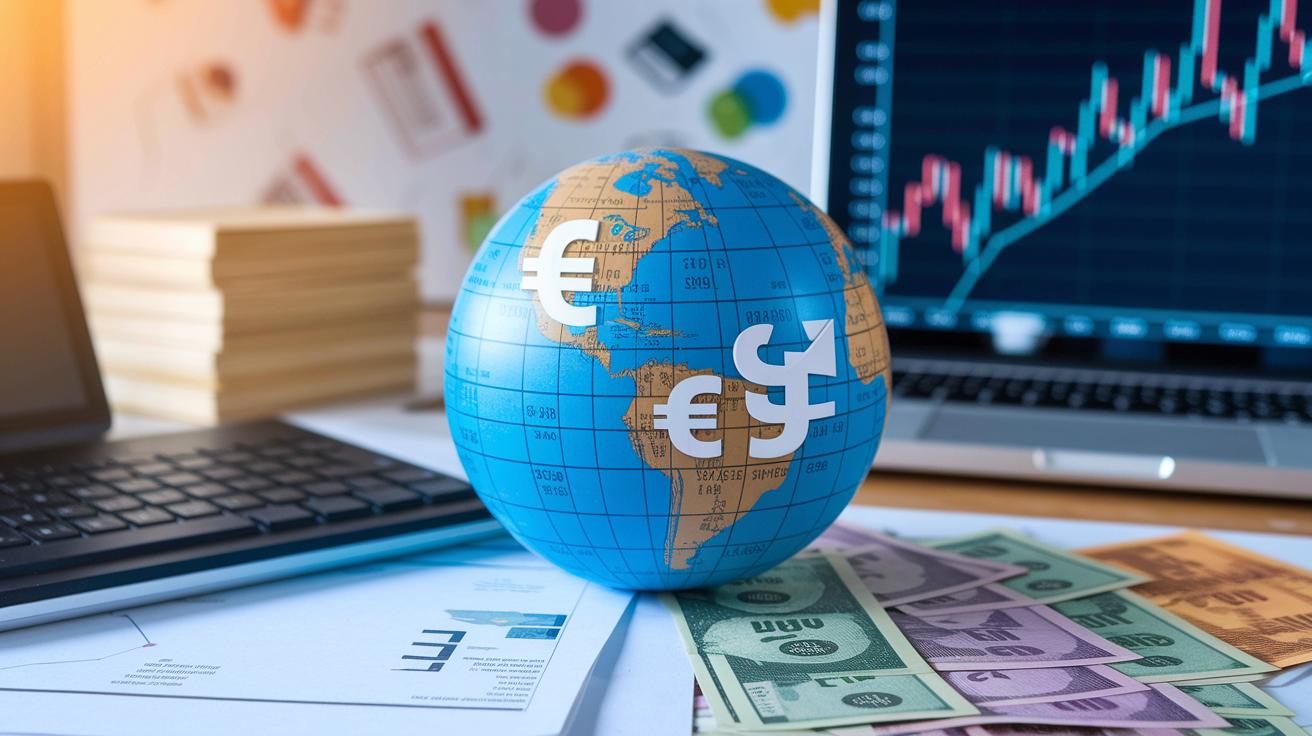
In 2024, political events will change how governments handle money and how banks make decisions. With elections in 64 countries, many are already changing their rules, which is affecting how money moves from one place to another. Because of international risks, investors might move money abroad or bring it back home, keeping markets on their toes.
At the same time, governments are tweaking their money plans to deal with market ups and downs. This shifting scene hints that different parts of the world might bounce back at their own pace.
| Region | GDP Growth Forecast | Notable Recovery Signal |
|---|---|---|
| Asia-Pacific | 3.5% | Early economic rebound |
| Europe | 1.8% (estimated) | Resilient policy adjustments despite high debt |
| North America | 2.2% (estimated) | Steady capital inflows and fiscal measures |
Top countries are feeling the strain of high debt, some even owe more than what they earn in a year. Prices of goods and currencies are jumping around a lot (this means their values keep changing rapidly), as noted in reports from CNN Global Markets. These challenges, mixed with shifting money movements and new government rules, point to a careful but adaptive look at our global finances. Experts say that while some regions show signs of a strong recovery, heavy debt and nervous market moods might slow down future growth.
Economic Indicators and Monetary Policy Trends
This year, central banks increased their key interest rates by about 300 to 400 basis points to help slow down rising prices. Think of it like turning down the thermostat when a room gets too hot. Because borrowing money became more expensive, the Fed decided to take a break from raising rates after three back-to-back increases, planning to pause in the second quarter of 2024.
Inflation is still a stubborn problem, with core rates holding above 4% in both the U.S. and the Eurozone. Experts now rely on improved methods, simple tools that track everyday price changes, to see how these shifts affect both families and businesses. This clearer view helps everyone adjust their plans in a smarter, step-by-step way.
On the policy side, new rules are making it harder to get money easily. When measures like scaling back quantitative easing pulled about $200 billion out of circulation, it created a tighter financial situation. Plus, a bond-yield curve inversion has shown up, which can act as an early warning sign that tougher economic times might be ahead.
Digital Finance Trends: Fintech, Blockchain, and Mobile Innovations

Fintech Innovation
Fintech is changing how we handle money by using smart, AI-powered tools that make transactions easier and safer. More people are choosing online-only banks, which means neobanks are growing fast. There are also new ideas in compliance and insurance (regtech and insurtech) that simplify everyday tasks. Imagine an app that tucks away your spending patterns and gives you simple tips to save money, almost like a friendly digital advisor. These systems use huge amounts of data to offer advice that really fits your lifestyle. If you’re curious about the details, check out more about fintech in our feature at What is fintech. With predictions showing that embedded finance might hit $384.8 billion by 2029, fintech is not just a passing fad, it’s becoming a vital part of how we manage our money every day.
Blockchain Finance Adoption
Blockchain is taking familiar ideas of digital cash and turning them into everyday tools. Tokenization (the process of turning a physical asset into a digital token) makes it easier to invest in things like property or collectibles. Think of it as a magic ledger that keeps every transaction safe and visible. Ever imagined paying for your groceries with a digital token and knowing that every step of the process is securely checked? That’s the promise of blockchain-based digital cash. With every transaction recorded on a tamper-proof ledger, blockchain brings a new level of security to how we transfer funds and store value.
Mobile Finance Applications
Mobile finance is booming. Digital wallets and peer-to-peer payment apps are making cash management quick, easy, and secure. In 2023, digital wallets handled $6 trillion versus $4.2 trillion in 2022, showing just how fast phones are becoming our go-to for money matters. Whether you’re paying back a friend or settling a bill overseas, peer-to-peer platforms make transfers almost instantaneous. And for international payments, cross-border apps reduce wait times and cut down on fees. These mobile solutions harness big data to offer a personal touch that feels both secure and reliable, just like chatting with a trusted friend about your finances.
Banking and Regulatory Financial Trends: Cycles, Stability, and Compliance
During the third quarter of 2023, banks saw their profits drop because funding costs went up. This change is like noticing a small shift in the tide, it reminds us that banks are now rethinking how they handle risk and plan for what comes next.
New rules are pushing banks to add more safety measures. Basel IV (a set of guidelines that help banks stay secure) now means banks must hold more cash and build up extra funds before 2025. Plus, governments are talking about new stimulus plans ahead of big elections, which is shaking up how banks look at and prepare for risks. It’s a change meant to steer everyone toward a steadier future.
Market trends in trade and credit point to these shifts as well. Trade finance volumes fell about 5% by the end of 2023, mostly because supply chains hit a rough patch. At the same time, companies saw an 8% drop in loan approvals compared to last year, making it tougher for businesses to access credit. This tightening in the credit market shows us just how stressed the current system is, and it sets the stage for more adjustments in policy down the road.
Investment Financial Trends: Asset Management, Diversification, and Risk

Asset management is getting a major upgrade thanks to AI and data analytics (tech that helps sort through loads of information). In 2023, 60% of asset managers started using smart computer programs (machine-learning) to build portfolios. In other words, these tools help sift through massive amounts of data to spot trends and opportunities. This change makes it easier for investors to see where they might earn money and where risks could pop up.
Managers are now focusing more on spreading out investments so you’re not putting all your eggs in one basket. For instance, hedge funds bumped up their investments in non-traditional assets by 15% as the stock market shifts. Simply put, mixing investments like stocks, bonds, and other assets creates a cushion against sudden market changes. This balanced approach is becoming the go-to strategy for professionals looking to earn steady returns while avoiding big losses.
Another big change is the rise of algorithmic trading. Today, about 70% of stocks on major U.S. exchanges are traded by computer programs that react to live data almost instantly. This fast pace shows how markets use real-time information to make split-second decisions. Plus, spending on tools that analyze market data jumped by 20% last year, helping investors keep an eye on risks and act quickly. These advances mean that managers can tweak their strategies on the fly, keeping portfolios strong even when the market feels unpredictable.
Financial Trends: Bright Market Outlook
In late 2023, U.S. households began saving more, rising to 6.4%, right after the stimulus taper. It shows that more families are getting a handle on their money, making decisions that lead to better personal finance management.
Nowadays, about 45% of people use mobile budgeting apps compared to just 30% in 2021. This change points to a growing habit of keeping an eye on spending. Plus, many folks are rethinking how they manage debt, especially since the average student loan debt is over $30,000. It’s no surprise that more people are exploring ways to consolidate their debt for easier management. Overall, these shifts suggest that more people are committed to tracking expenses and making confident money choices.
In 2023, enrollment in financial literacy programs jumped by 25%, showing that learning about money is a real priority for many. Retirement planning is also seeing a boost, with sign-ups increasing by 18% as more people plan for a secure future. Millennials and Gen Z are catching on too, they’re putting 12% more into investments that support social and environmental goals (think of it as investing with a conscience). Together, these trends create a promising picture for the future of handling personal finances.
Final Words
In the action of breaking down key financial trends for 2024, we explored shifts in digital finance, investing strategies, and consumer saving habits. Our overview touched on market data analytics, changing regulatory measures, and smart asset management, all set against the backdrop of evolving economic drivers and policy changes. Real-time insights reveal how innovative tools and secure practices empower growth and guide everyday decisions. Keep an eye on financial trends as these insights pave the way for smarter, more confident money management.
FAQ
What do financial market trends and trends in financial services today indicate?
The financial market trends today indicate shifts like the growth of AI-driven investment, embedded finance, digital cash adoption, and ESG rebranding, giving insights into how technology is reshaping money management.
How can historical reports and projections like financial trends PDFs, 2022 data, and 2025 forecasts be understood?
Historical data from 2022 alongside financial trends PDFs and projections for 2025 show evolving market dynamics driven by tech shifts and policy changes that guide smarter investment and spending choices.
What is a financial trend?
A financial trend is a recurring shift in market behavior that shows changes in consumer habits, technology use, and policy directions, helping guide decisions on investments and personal finance.
What are the top three trends in finance?
The top three trends in finance include AI-driven strategies, the rapid growth of embedded finance services, and the mainstream adoption of digital cash, each reshaping today’s financial transactions.
How can one explain financial trends effectively?
Explaining financial trends means linking observable changes like rate shifts, tech innovations, and market movement with everyday impacts on spending, investing, and overall money management.