


Ever wonder if your online account is truly safe? When you click to see your balance, you trust that extra protection is doing its job, just like another lock on your safe.
That extra care helps protect your personal and money details from prying eyes. In today’s digital world, strong account security stops fraud and helps your business run smoothly.
This post talks about how having a secure account can really change your everyday money life. Ever feel relieved knowing your funds are safe?
How Strong Account Security Enhances Trust and Protects Digital Finance
Trust is the foundation of digital finance. When you log in, you want to feel sure that your money and data are safe. That feeling comes from knowing that solid security measures are always working to keep unwanted visitors out. Ever notice that gentle, reassuring click when you log in? It really builds your confidence every time you check your balance.
Strong security controls work like extra locks on a safe, protecting your most valuable bits, like your bank details, transaction records, and personal info. With multi-layered measures such as strong encryption (a way to protect data at every step) and multi-factor authentication (a method that needs a second step to verify who you are), fraud can be stopped before it starts. These systems catch suspicious movements fast, making secure online transactions a team effort that keeps your information locked up tight and reduces the chance of fraud.
A secure system not only shields your data but also helps a business run smoothly and keeps customers coming back. When financial institutions invest in top-notch account security, they ensure everyday operations run without a hitch and strengthen customer loyalty. Even when unexpected challenges arise, this level of protection keeps everything on track and trust intact.
Before the digital shift, banks handled records manually, which often led to mistakes and delays. Today’s secure online transactions are a huge leap forward in reliability, so you can feel confident every time you log in.
Top Cyber Threats Targeting Digital Finance Account Security

Cybercrime in finance is growing fast. With more people using digital tools every day, cyber criminals are getting smarter, trying to trick you into giving up your private details. They look for little mistakes in login systems and use clever tricks to steal your personal and financial information.
Let’s break down the most common threats:
- Phishing – This is when someone pretends to be a well-known financial service to trick you into giving your login info.
- Malware and ransomware – These bad programs sneak into your computer and lock your data until you pay up.
- Data breaches – When hackers break into a system to grab sensitive details like account numbers or your transaction history.
- Insider threats – Sometimes an employee, past or present, might leak or misuse confidential information.
- Identity theft – Here, someone uses your personal details in a fraudulent way that can mess up your finances.
Understanding these risks is the first step in keeping your digital world safe. When you spot a strange email or a suspicious message, think of it as a red light, an alert to double-check everything before you click. This kind of awareness helps both businesses and individuals take smart actions to lock down their security.
By learning about each threat, you can patch up weak spots in your digital defenses. This not only protects your money and personal info but also builds trust and keeps your digital finance life running smoothly.
Key Practices for Secure Online Transactions and Account Safety

Think of building a secure online defense like putting extra locks on your front door. Every security step plays its part in protecting your transactions and keeping your account safe. Strong encryption (a method that turns your data into a code only trusted systems can understand) guards your sensitive info, while multi-factor authentication (a way to double-check your identity with extra codes or fingerprint scans) stops unwanted access. And just like a regular doctor’s check-up, routine vulnerability audits help catch any potential weak spots before they become a problem.
| Practice | Description |
|---|---|
| Strong Encryption | Turns your data into unreadable code, so only trusted systems can access it both when it’s stored and when it’s moving. |
| Multi-Factor Authentication | Adds extra steps like mobile codes or biometrics after your password, ensuring it’s really you logging in. |
| Secure Password Management | Uses unique, complex passwords that are safely stored in encrypted vaults to stop unauthorized access. |
| Vulnerability Assessments | Regular tests that look for weak spots in your system, letting you fix them before anyone else can exploit them. |
| Real-Time Fraud Alerts | Keeps an eye on your transactions and lets you know right away if something seems off, helping to prevent fraud. |
| Vendor Risk Management | Makes sure that all third-party services in your online chain are secure, protecting every link in your digital process. |
It’s a good idea to weave these practices into your everyday operations. Try scheduling regular security training for your team and checking your system often. With these steps in place, you’re not just protecting your data, you’re creating a safe space where secure online transactions can truly thrive. Every update and monitor builds a strong shield against cyber threats, making sure your digital finance journey feels as smooth and secure as a trusted conversation over coffee.
How Encryption and Multi-Factor Authentication Fortify Digital Account Defense

Encryption is a key part of keeping your online accounts safe. Methods like AES-256 and TLS (a way to keep data secure) turn your private info into secret code that only trusted systems can read. One neat trick modern systems use is to change these codes at set times, almost like switching the combination on a lock, to keep unwanted access away.
Today, special devices handle your digital keys by storing them safely. Imagine a secure safe that only lets the right people open it, with the code changing every now and then to add extra safety.
Multi-factor authentication, or MFA, adds even more protection by using several checks at once. It might mix your password with a one-time code sent to your phone (a quick extra verification) or even your fingerprint. Some MFA systems also check where you're logging in from or give a risk score to spot unusual attempts. In one case, a business using these extra protections saw a clear drop in strange login tries.
Regulatory Frameworks and Risk Assessment for Robust Account Security

Banks and financial institutions follow important rules like PCI DSS, GDPR, and SOX to protect your data. These guidelines work like a recipe, showing banks how to collect, store, and use sensitive information safely. When companies stick to these rules, they build trust and show they care about your privacy.
Regular digital check-ups are key, think of them like doctor visits that catch small issues before they become big problems. Tests help spot where data might leak, while clear plans explain who does what and how to fix things if a breach happens. Vendors are checked regularly, too, which adds extra protection. With these steps in place, businesses feel confident that their online systems help keep your account safe and your trust strong.
Continuous Monitoring and Incident Response for Digital Finance Accounts
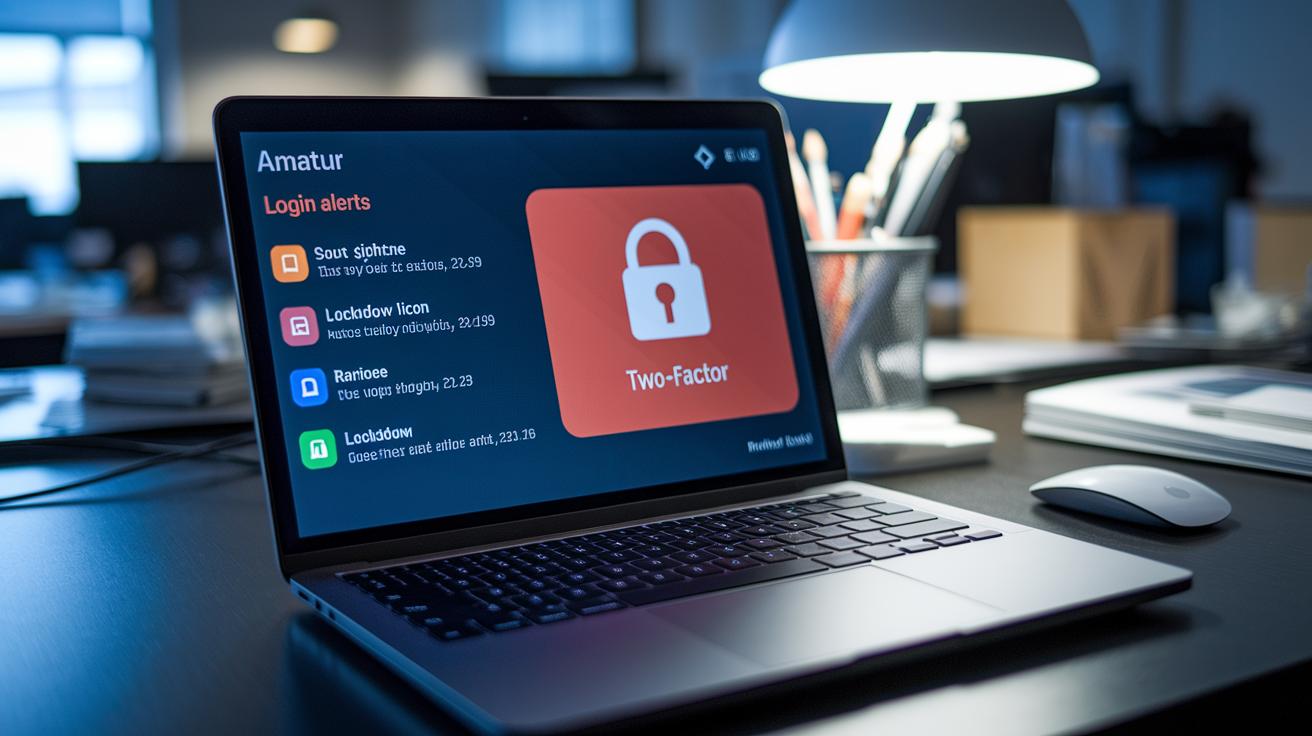
Keeping your digital finance accounts safe starts with round-the-clock watching. Think of tools that keep an eye on login habits, flagging when you log in from unusual places or when transactions suddenly spike. They let you know something’s off the moment it happens.
When something unusual is spotted, an instant alert kicks in. The system locks your account right away to stop any damage, almost like pulling the plug when needed. Then, it asks you to verify your identity (like a quick ID check) before letting you back in, a smart safety step to block any further issues.
This quick lock-down not only stops potential breaches but also helps prevent online fraud by cutting off unauthorized transactions fast. Regular log reviews and up-to-date threat tips boost these defenses, letting the team tweak protections on the fly. In short, every measure works together to keep your account safe from evolving cyber threats.
Final Words
In the action, this blog post explored how robust account security builds trust and protects hard-earned money. It walked through key practices that keep sensitive data safe, from strong encryption to multi-factor authentication, and reviewed steps to fight off fraud.
The discussion also touched on the role of regulations and real-time monitoring to keep digital finances secure. Remember, the importance of account security in digital finance lies in its power to safeguard assets and maintain confidence every time you manage your money.
FAQ
What is digital finance security and why is it important?
Digital finance security means protecting your account and sensitive data with robust measures like encryption and multi-factor authentication. It is important because it prevents unauthorized access, builds customer trust, and stops fraud in online transactions.