


Ever wonder if your online account is as secure as your front door? Using simple passwords or reusing them on different sites makes it much easier for hackers (people who try to steal your info) to get in.
Think of your account like your home. With extra locks, you keep strangers out and feel safe.
Last year, almost half the security breaches happened because of these small mistakes. In this article, we explain how little gaps in your security can lead to big troubles and why stepping up your account protection is a smart move.
Critical Consequences of Weak Account Security
When your online account protection is too simple, it means you're using basic methods like common, short passwords or repeating the same code on many sites. This is like leaving your house door open, making it easy for someone to sneak in and cause trouble.
In 2023, nearly half of data breaches happened because of these weak passwords. Think of it this way: using a simple password is like hanging a welcome sign for hackers. Studies show that almost every attack can be prevented by using multi-factor authentication (a way to add an extra step during login, such as a text code). That extra step often makes all the difference.
The risks from weak security are serious. Every time you have an easy-to-guess password, you increase the chance of identity theft or a data breach. So, it's important to take steps now to protect your personal and business information.
Common Account Vulnerabilities Stemming from Weak Security

When your account protection is too basic, it leaves a lot of room for hackers. Simple passwords and using the same details everywhere are like unlocked doors that invite trouble. Hackers can break into accounts with predictable passwords by using brute force methods (where computers try many password guesses really fast). Plus, there’s a trick called credential stuffing (using login info stolen from one site to access another) that makes the problem even worse.
Here are six common weak spots:
- Easy-to-guess passcodes
- Reusing passwords on different sites
- Credential stuffing attacks
- Spear-phishing and phishing scams (tricks used to steal your private info)
- Shared or exposed login details
- No account lockout controls (settings that stop too many wrong tries)
Each of these issues can cause serious problems. For example, if someone uses the same weak password for work and personal accounts, hackers can easily slip past defenses. Sharing login details means that more people might have access, which increases the chance of unwanted changes or stolen data. Without settings to block multiple login attempts, brute force attacks become even easier. And don’t forget social engineering, where tricksters persuade you to share your login info, putting your security at risk.
These weaknesses often work together, making the risks even higher. If one area, like having a simple passcode, is exposed, then other issues, such as stolen credentials, become more dangerous. All these factors create a tangled web where cybercriminals find it easy to access your sensitive information.
Real-World Impact: Data Breaches and Financial Losses
When accounts aren’t guarded well, the damage can be huge. Hackers snatch up simple login details, and next thing you know, a company’s trust and money take a big hit. Over time, big-name breaches have shown just how steep the price can be, companies end up facing fraud, fines for breaking rules, and the cost of keeping unhappy customers satisfied. In 2023, the average cost per breach hit $4.45 million, a sum that tells the story of both financial strain and the hard work it takes to rebuild trust.
| Year | Organization | Records Exposed | Estimated Cost |
|---|---|---|---|
| 2013 | Yahoo | 3 billion accounts | N/A |
| 2017 | Equifax | 147 million records | ~$4 billion |
| 2020 | Marriott | ~500 million guest records | N/A |
| 2021 | 533 million user records | N/A |
These events remind us that weak security isn’t just about fixing an issue quickly, it can leave a lasting mark on a company’s reputation and customer trust. Even one small vulnerability can spark a chain reaction of costly problems and long-term damage. As these breach costs rise, it’s clear that investing in better security and smarter checks (like two-factor verification, which adds an extra step to make sure it’s really you) is a must to help steer clear of these pricey setbacks.
Human Factors Driving Weak Account Security Risks
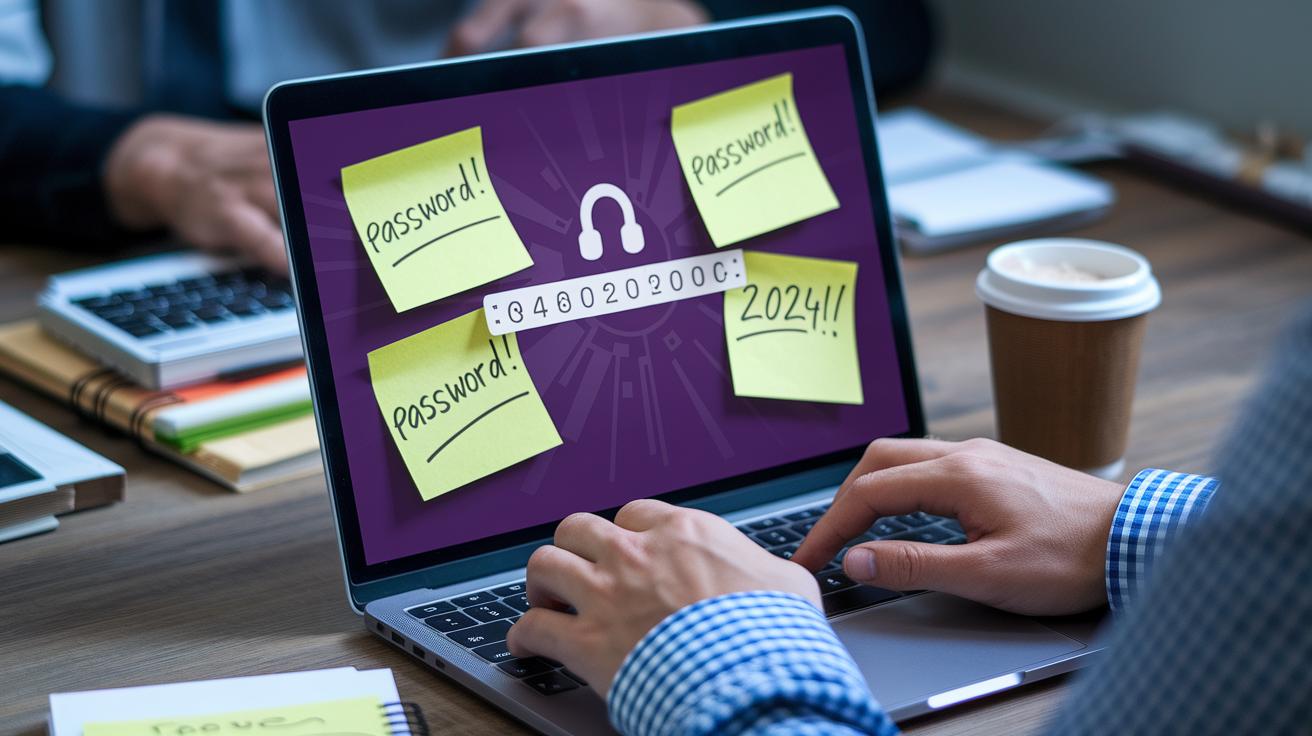
Lots of people still use easy-to-guess passwords. For example, many pick simple ones like "Password2024!" or just change a number at the end when they update their password. This kind of habit makes it easier for hackers to guess your password (a weak password means using simple or common words) and to reuse passwords across sites, causing bigger problems with unsafe logins. Sometimes, users even write their passwords down or keep them in files like spreadsheets without protection, which can lead to breaches of online privacy. And even when stronger rules are in place, delays in reporting odd activity can keep systems unsafe longer.
It’s clear that everyday habits have a big impact on account security. Using common words or slightly changed passwords gives attackers simple clues to work with, which can lead to phishing scams (attempts to trick you into sharing personal info). Ever wonder why some users wait to report suspicious activity? This delay highlights how human error can create security gaps. Simple mistakes, like using the same password for many accounts or not updating your security habits, can put personal and company data at risk. We need to tackle these human factors quickly to build better overall protection.
Technical Shortcomings Amplifying Account Security Gaps
Many systems still use old ways to verify who you are. They depend on a single password and often send your information over channels that don’t scramble your data (like TLS, which is a method to keep data safe). It’s a lot like using a simple lock on a safe that houses precious items. This outdated approach gives hackers an easier time sneaking in.
Encryption is another sticking point. Many organizations stick with older methods to scramble data, leaving sensitive details exposed. Imagine sending a secret message through an open window instead of using a locked mailbox. Without modern safeguards, your login details can be intercepted, making it all too easy for cybercriminals to access your personal information.
The lack of proper monitoring just adds to the risk. When systems miss regular vulnerability checks, issues can linger unnoticed, much like a silent alarm that never goes off. This gap means suspicious activities might go undetected for days or even weeks, inviting trouble. Regular inspections and timely alerts are key in keeping these risks at bay and ensuring your system stays secure.
Mitigation Strategies to Strengthen Account Security

Protecting your account starts with quick action. Begin by building a solid digital security plan to guard your accounts. A great resource for this is the guide on how to secure your online financial account (https://teafinance.com?p=966).
Multi-Factor Authentication Integration
Adding an extra step during login is one of the smartest ways to stop breaches. Multi-factor authentication (for example, receiving a one-time code on your phone, using a fingerprint scan, or facial recognition to confirm your identity) blocks 99.9% of attacks that rely on stolen credentials. Use different methods together so that if one layer fails, the other still protects you. For example, after you type in your password, have the system send you a text code. This simple change works like a digital deadbolt, keeping unwanted guests out.
Password Management Best Practices
Setting up clear rules for passwords is key. Establish policies that require users to change passwords regularly and discourage small tweaks, such as switching from "Company2023!" to "Company2024!" Rather than risking exposure, use password managers (tools that store passwords safely) to keep these secret codes secure. Encourage everyone to create strong, unique passwords. Also, check out the account security tips for online banking (https://teafinance.com?p=1008) for more ideas. Following these best practices not only reduces risk but even cuts down on support tickets by 70 to 80 percent, saving both time and resources.
Real-Time Monitoring and Incident Response
Using tools that monitor your network can help you spot unusual activity early. Set up alerts that notify your team when something seems off. Be ready with a step-by-step playbook to respond quickly if any problems arise. Fast detection and a clear recovery plan help to limit the time that hackers can cause harm.
Regular audits and continuous security training are also essential. Ongoing reviews and updated training keep your security practices sharp and ensure your team stays alert, closing any gaps before issues start.
Final Words
In the action, we explored how weak account security can open doors for data breaches, identity theft, and financial loss. We broke down technical gaps, human habits, and common vulnerabilities that make our accounts prone to attacks.
We also shared smart ways to boost security with multi-factor authentication, better password practices, and real-time monitoring. These insights help clear up the path toward safer money management.
Staying alert to the risks of weak account security means a safer, more confident future for your assets.
FAQ
What are the risks of weak account security in cyber security?
Weak account security increases the chance of unauthorized access, data breaches, identity theft, and financial losses. These vulnerabilities make both personal and business accounts easy targets for cyber attacks.
How do weak passwords impact cyber security?
Weak passwords, often simple or common phrases, leave accounts open to brute force attacks and credential stuffing. This exposes sensitive information and can lead to significant data breaches.
What does weak authentication mean, and can you provide an example?
Weak authentication refers to basic security measures, like using only a password with no extra verification steps. For instance, not implementing multi-factor authentication leaves accounts more vulnerable to attackers.
What are the risks of poor data security and weak access control?
Poor data security and weak access control can lead to unauthorized data access, financial losses, and compromised privacy, as attackers exploit these gaps to steal or manipulate sensitive information.