
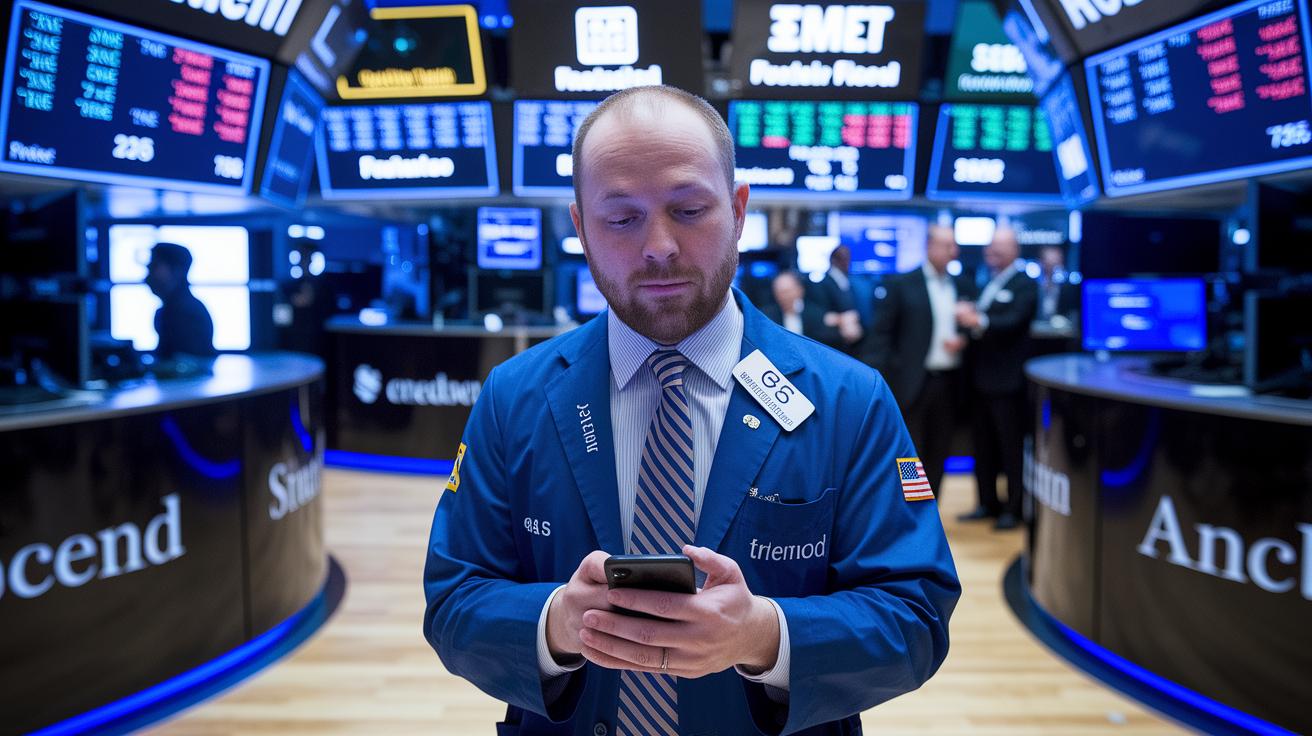

Could global markets be bouncing back? Recent reports tell us that trade restrictions are on the rise, even as policy makers take small steps to calm financial worries (like steadying a shaky bank).
Big markets are hinting at a turnaround. New technologies are making work smoother and smart money moves are reshaping cash flow, kind of like watching a field slowly come alive after a long, cold winter.
These changes give hope for a brighter economic future, sparking optimism not just among investors but everyday people too.
Global Financial Trends Analysis Sparks Strong Optimism
Lately, global markets have been showing signs of change. Annual trade restrictions jumped from about 1,000 in 2019 to over 3,000 by 2023. It’s like watching a garden come alive in spring, new trade rules are reviving global commerce. This clear trend hints that the economy might be rebounding, as big financial markers match forecasts of more activity.
Meanwhile, worldwide government debt now sits at $307 trillion, with an extra $50 trillion added during the COVID-19 period. The US Federal Reserve even cut rates by 25 basis points (a small change equal to 0.25 percent) to a range between 3.75% and 4.00%, which is the lowest since November 2022. This move shows that policy makers are taking careful steps to ease some financial uncertainties and keep funds accessible.
On top of that, digital tools like generative AI, technology that can create content, are creating extra optimism. It’s expected to boost productivity by 1.5 percent every year and add between $2.6 trillion and $4.4 trillion to the economy. Combined with smarter ways to manage global cash flow, these tech advances might help balance challenges like population shifts and green initiatives. Policy makers and investors are watching these changes closely, and overall, the outlook feels quite bright.
If you’d like to explore these insights further, check out more on financial trends.
Global Financial Trends Analysis: Deglobalization’s Impact on Trade Flows
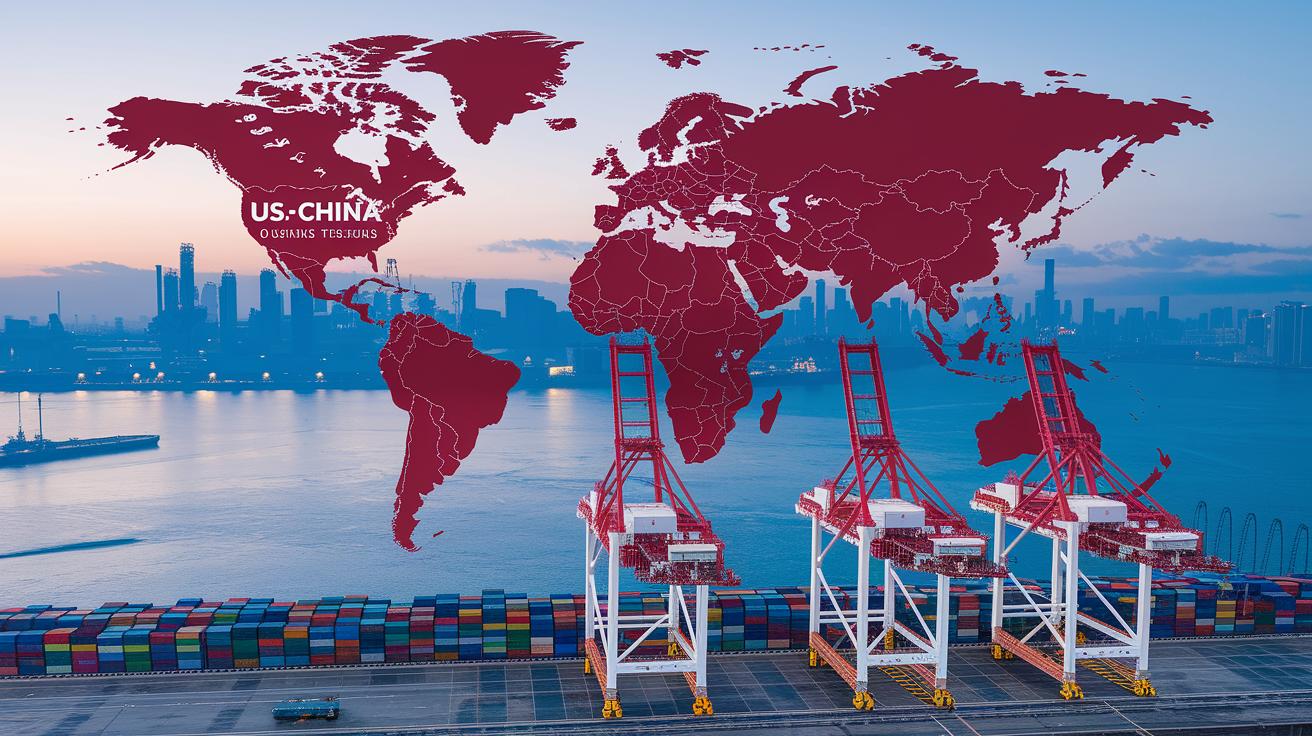
Global finance is changing fast as deglobalization reshapes how countries trade with each other. Studies show that yearly trade restrictions jumped from about 1,000 in 2019 to over 3,000 by 2023. This growth comes from rising tariffs, growing tensions between the US and China, and ongoing supply-chain issues (problems that make moving goods harder).
Companies are adjusting to these new challenges. They’re looking for fresh trade routes and adding more suppliers to their list. For example, one company shifted from using just one manufacturing hub to setting up distribution centers throughout Southeast Asia. This quick change helped them deal with tighter trade rules smoothly.
There are also signs in other studies, like those looking at trade gaps and money moving across borders, that suggest supply-chain problems are opening doors for emerging markets. Many countries in Southeast Asia are seeing strong growth because they’re attracting new investments and reworking their supply chains.
Key factors influencing these trends include:
- Heightened worries about regional tariff risks
- Changing political alliances that affect trade
- More unpredictable transportation costs
Businesses around the world are rethinking their strategies to keep things running smoothly even as barriers rise. It’s a time of quick change and smart adjustments, much like finding a new, reliable route after a detour.
Global Financial Trends Analysis: Decarbonization Pressures & Fiscal Implications
Extreme weather is shaking up how governments plan their budgets. Think of wildfires in Australia, heavy rains in Dubai, floods in Europe, and tougher hurricanes in the US, all predicted to grow even more intense by 2030. These events show that fighting climate change isn’t just about saving nature; it’s also a money matter. Local and national governments will need to invest public funds in decarbonization (cutting down on harmful emissions) to boost cleaner energy and sustainable transport, all while keeping an eye on rising costs.
Meeting these decarbonization goals will cost a pretty penny. Shifting to clean technologies and renewable resources means more government spending, which can sometimes add to inflation. So, environmental finance trends are now closely linked to how fiscal policies evolve and how inflation is managed. Budgets have to juggle today’s price hikes with tomorrow’s climate targets. And with the pressure mounting, decision makers might have to be extra careful in how they allocate every single dollar.
Global Financial Trends Analysis: Demographic Shifts & Workforce Dynamics

Aging populations and fewer children mean fewer workers around the globe. This simple change has a big effect on everyday spending and forces businesses to re-plan. Fewer workers can lead to higher wages as companies pay more to find the right talent, much like a tightening belt that leaves less room for extra spending.
Federal Reserve meetings now often talk about how these demographic shifts add new challenges. Policy makers must balance higher costs, like more spending on healthcare and pensions (money for medical care and retirement), when they decide on interest rate moves. This extra spending puts pressure on government budgets and shifts the overall economy.
| Key Impact | Description |
|---|---|
| Smaller Workforce | Fewer workers mean less productivity and more competition for talent. |
| Changing Spending Habits | People have less extra cash as more money goes to essentials. |
| Increased Government Costs | Higher spending on healthcare and pensions adds pressure to state budgets. |
Together, these changes are reshaping how the economy works. Investors and policy makers are now rethinking risk, adjusting lending practices, and planning budgets more carefully.
Global Financial Trends Analysis: Global Debt Levels & Sovereign Credit Assessments
Government debt around the world has hit roughly $307 trillion, with an extra $50 trillion added during the pandemic. This huge number makes policymakers dig deeper than just the raw figures. Credit-rating agencies mix sovereign credit reviews with debt sustainability tests (checks to see if current borrowing can continue without harming the economy) to understand how this strain might shape future fiscal policies. For example, US debt-service costs are expected to surpass the defense budget by 2025. Think of it like a household where paying loan interest takes up more of the income than daily living expenses.
Key factors to keep an eye on include:
| Key Factor | What It Means |
|---|---|
| Fiscal Deficit Trends | When government expenses outpace income |
| Debt Sustainability Tests | Checks to see if current borrowing levels are safe over time |
| Rising Interest Expenses | Extra costs that might force spending cuts in essential areas |
Taking all these pieces together gives a clearer picture of how countries balance the demands of today with the need for future economic stability.
Global Financial Trends Analysis: Digitalization, AI & Fintech Innovation

Digital technologies are changing the way we do finance, and the full picture shows plenty of clear benefits. Take generative AI: it’s boosting productivity by about 1.5% each year and could add anywhere from $2.6 trillion to $4.4 trillion to the economy. Picture the steady hum of a secure server room, it's a tangible reminder of how smart tech really makes things run smoother.
Digital currencies are also shaking things up by changing how money moves. New digital tools make sending money simpler and investing safer, while modern platforms even help reduce energy use and speed up funding for clean-tech projects. You can also see how fintech is evolving with more mobile payment apps and automated financial services. Want to see how simple it can be? Check out the easy approach at https://teafinance.com?p=170.
Blockchain is making its mark too, offering clear and secure records of every transaction to give you peace of mind. At the same time, traditional assets are now joining forces with digital tools to create more diverse portfolios. It's like mixing secure tech with innovative ideas, which helps investors stay flexible as markets change.
And when you mix AI, blockchain, and digital currencies, you're looking at a real surge in financial services. This blend not only smooths out how things work right now, but it also opens up exciting possibilities for new financial products that might totally change the way we invest.
Global Financial Trends Analysis: Monetary Policy Adjustments & Interest Rate Trends
Central banks are making careful changes these days. They’re working to lower the cost of borrowing so that businesses and families can grow, while still keeping an eye on rising prices, which might happen because of tariffs, big government spending, or even population changes. It’s a bit like walking a tightrope, cheaper loans can be great, but they must avoid making the economy too heated. Just imagine: lower lending rates are sparking a wave of small business investments, much like a timely rain soaking a dry garden.
These policy moves are key for how people plan their finances. When rates drop, borrowing money gets easier and cheaper. Sometimes, this is paired with quantitative easing (a way to pump more money into the economy to keep things moving smoothly) to help keep everything ticking along. At the same time, pressures from global events add extra challenges to these strategies.
Market watchers rely on real-time updates from trusted sources like Reuters (a news service that provides up-to-the-minute global market info) to keep track of these shifts. They watch closely to see how these changes might boost growth or even bring on recession risks.
Global Financial Trends Analysis: Emerging Market Outlook & Cross-Border Capital Flows
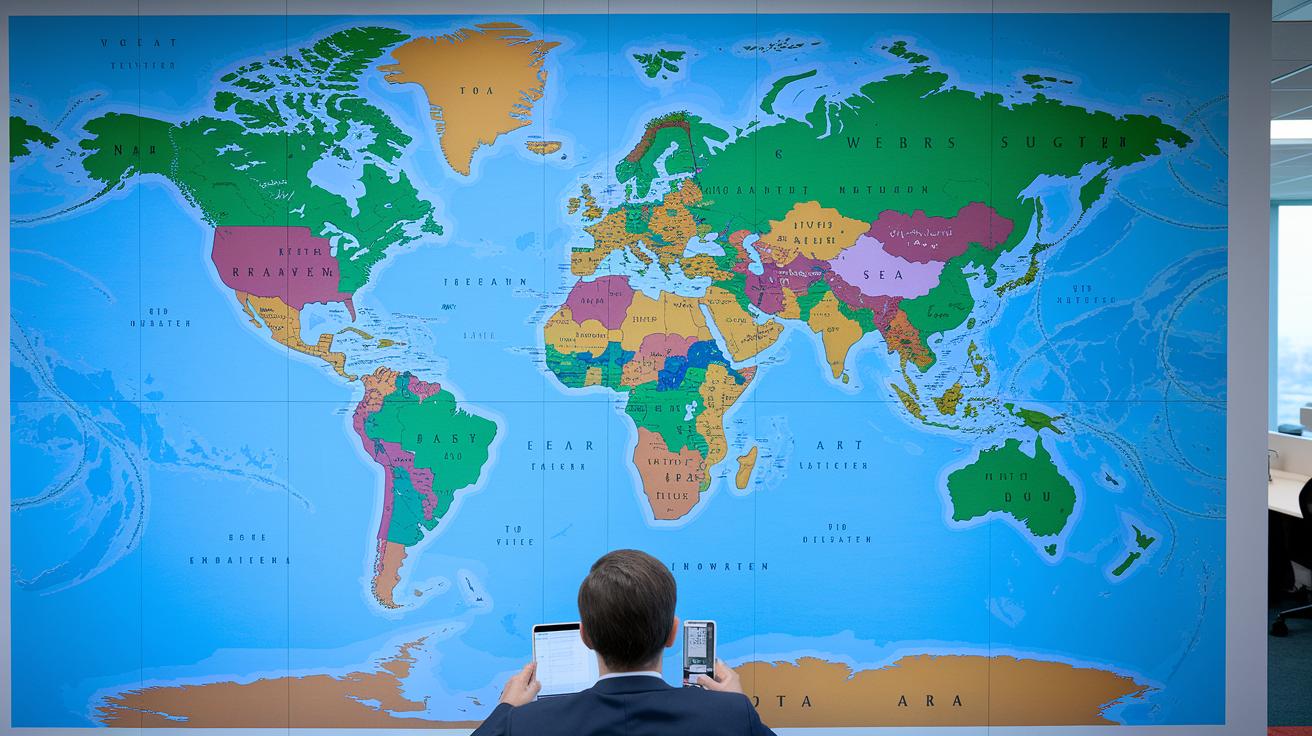
Investment trends are changing fast as companies shift their strategies during uncertain times. Many are moving away from heavy reliance on China and are looking to Southeast Asia for steadier ground. This new market focus comes from rising global tensions and efforts to spread out investments more safely.
Recent trade deals have helped fuel this shift. For example, one agreement between the US and China eased some restrictions on rare-earth exports (materials used in high-tech devices) while cutting US tariffs by 10 points from 57 percent. In exchange, China started buying soybeans again and took steps to limit fentanyl shipments (a powerful painkiller that can be dangerous). These moves show how money is gradually flowing into emerging markets and opening up fresh chances to grow.
Experts say businesses now take extra care with cross-border money moves, making sure new investments match up with changing trade rules. This careful approach not only cuts risks but also makes markets more flexible. As conditions improve in emerging markets, clearer trade rules and better cooperation might boost investor confidence even more.
Smart investors are keeping a close eye on these changes, ready to take advantage of promising opportunities in the region.
Final Words
In the action, our analysis of global financial trends analysis brought together key insights on trade shifts, decarbonization pressures, and demographic changes. We examined shifts in global debt, central bank decisions, and how smart digital tools are reshaping financial services. The discussion touched on everything from policy updates to digital innovation, offering a clear picture of today’s financial environment. The blend of data and real-world examples helps guide smart decisions for managing and growing your financial assets. Stay confident and keep moving forward with clarity and purpose.
FAQ
Global financial trends analysis pdf
The global financial trends analysis pdf provides key data such as rising trade restrictions and mounting global debt, helping readers quickly grasp major economic shifts through clear charts and explanatory text.
Global financial trends analysis 2022
The global financial trends analysis 2022 highlights shifts including increased government debt and policy adjustments, offering a snapshot of market changes that impact future economic strategies.
IMF World Economic Outlook 2025
The IMF World Economic Outlook 2025 outlines projected economic performance, describing inflation pressures, fiscal challenges, and liquidity trends that help stakeholders plan for the near future.
Global economic outlook 2025
The global economic outlook 2025 reviews growth prospects, inflation trends, and policy moves across economies, providing essential insights for businesses, investors, and decision makers preparing for economic changes.
Economic forecast for next 5 years
The economic forecast for the next 5 years discusses trends like interest rate adjustments, debt sustainability, and AI-driven productivity, offering businesses and investors a practical framework for planning ahead.
Global Economic Prospects World Bank
The Global Economic Prospects by the World Bank examines growth challenges and fiscal risks worldwide, detailing issues like rising sovereign debt and shifting trade policies to inform economic planning.
Global economic trends
The global economic trends include shifts in trade policies, demographic changes, and digital innovation, creating a dynamic environment that influences investment decisions and government policies.
World Economic Outlook July 2025
The World Economic Outlook July 2025 discusses updated central bank decisions, trade adjustments, and fiscal challenges, presenting a timely snapshot that guides market expectations and strategic planning.
What are the current trends in the global economy?
The current trends in the global economy span rising trade restrictions, tech-driven gains, and demographic shifts, offering a clear picture of how diverse factors are reshaping market conditions worldwide.
What is a trend analysis in finance?
A trend analysis in finance looks at historical data to identify consistent market movements, providing a straightforward method for spotting economic patterns and informing better financial decisions.
What are the global financial trends in 2025?
The global financial trends in 2025 focus on digital innovation, evolving trade doctrines, and demographic challenges, with AI-driven productivity and policy shifts shaping the future economic landscape.
What are the top three trends in finance?
The top three trends in finance center on digital adoption, shifting global trade dynamics, and monetary policy changes, each playing a crucial role in informing investment strategies and economic forecasts.