


Do we really choose our investments, or does our mindset guide the market? Recent trends in behavioral finance show that our everyday money habits play a bigger role than ever. Everyday investors now drive more than 45% of cash market turnover, which means we all have a say in how things move.
Smart tools now give friendly, real-time advice to help calm things down when the market gets choppy. In this piece, we take a closer look at how our simple, daily behaviors shape market trends and spark hope for a steadier financial future. It’s like mixing a pinch of common sense with a dash of tech smarts to change how we think about and manage our money.
Emerging Behavioral Finance Trends: Key Developments and Insights

Experts are mixing ideas from psychology and economics to change how markets work. Investors and professionals alike have noticed that understanding our money mindset helps us make better choices. Isn’t it interesting that retail investors have recently changed market trends so much?
New numbers show that retail investors now drive over 45% of cash market turnover, up from 33% just a few years back. And at the same time, AI tools like Zerodha’s Nudge, INDmoney, Betterment, and Wealthfront are offering real-time tips that help keep panic selling at bay. Moreover, younger investors, especially those from Gen Z, are leaning into ESG strategies. This means they value social and emotional issues, even if it means sacrificing a little on returns.
These shifts are reshaping the way we plan our investments and predict market moves. Making smart choices now feels a bit like getting a helpful alert on your phone right when you need to rebalance your portfolio. It’s a mix of technology and human insight that helps guide us towards steadier and more flexible investment strategies.
Core Behavioral Finance Biases Driving Market Trends

Investors can sometimes take mental shortcuts that lead to poor decisions. Even experienced traders can fall into these habits, which is why we often see the same mistakes repeated time and again. Understanding these biases can really help both new and seasoned investors make smarter choices.
When you recognize these common shortcuts, your trading may feel smoother and more steady. It’s like knowing a trick to avoid bumps on a bumpy road.
- Overconfidence
- Herd mentality
- Loss aversion
- Anchoring
- Confirmation
Think about it: When these biases mix together, they can shake up the market. Overconfidence makes investors believe they’re experts, just like how many people think they’re better drivers than most. Herd mentality means jumping into a crowd just to avoid missing out, even if it’s not the smartest move. Loss aversion makes them hang on to bad investments, hoping things will change. Anchoring keeps them stuck on old numbers, even if the situation has improved or worsened. And confirmation bias means they only listen to what agrees with what they already believe.
Together, these habits not only impact personal decisions but also help create the wild swings we see in the market.
Technological Innovations Shaping Behavioral Finance Trends

New technology is changing the way investors handle their money. Smart systems, like AI and fintech tools, use behavioral analysis (studying how you act) to offer guidance right when you need it.
Platforms such as Zerodha Nudge, INDmoney, Betterment, and Wealthfront now watch your trading habits and send friendly alerts. Imagine getting a quick text that says, "Have you thought about mixing up your assets today?" These tools adjust their advice based on your own actions and past trends, making them more helpful than simple reminders.
Even regulatory teams are lending a hand by steering people toward better saving habits and safe money practices. Advanced machine learning models mix behavior data with previous trading records to offer even more precise tips. In fact, almost half of investors say that these tailored reminders help them make smarter decisions.
Measuring Investor Psychology in Behavioral Finance: Methodologies and Tools

When we look at how people decide to invest, we go beyond the numbers to capture the feelings and thoughts behind every choice. Researchers mix smart computer tools with hands-on experiments (sort of like a friendly science lab) to peek into real-time trading behaviors. This approach helps us see clearly how investors react when the market changes.
| Method | Description | Example |
|---|---|---|
| Sentiment analysis techniques | Examines social media and online posts for emotional signals using computers. | Watching how market mood shifts during big events. |
| Eye-tracking and physiological studies | Follows where people look and how their bodies respond (like measuring stress) when they view market data. | Noting how long traders focus on different parts of their screens during a session. |
| Experimental trading studies | Creates mock trading setups that mimic real market highs and lows. | Simulating a market bubble or crash, similar to what happened during GameStop surges. |
| Algorithmic sentiment indicators | Uses data from trading and news to calculate the overall vibe of the market. | Real-time tools built into trading platforms. |
| Regulatory and fintech nudge tools | Uses gentle reminders in apps to steer investment decisions in a smart way. | Apps that encourage a balanced approach during times of market uncertainty. |
These methods give us a clear glimpse into how feelings shape investment choices. By joining insights from eye-tracking and online sentiment with carefully controlled trading simulations, experts build smart tools that can spot market shifts. This kind of information helps investors understand their own risk levels in a way that feels simple and reassuring. In short, these techniques not only deepen our understanding of market behavior but also guide everyone, from beginners to pros, to make steadier, smarter financial choices.
Behavioral Finance Applications in Portfolio and Risk Management

Behavioral finance brings a personal touch to how we build our investment portfolios. It shows us that our emotions and mental shortcuts can influence our financial choices, and when we understand that, it helps create a sturdier portfolio that can handle sudden market shifts.
Nowadays, fintech tools work like friendly nudges during market dips, almost like a quick reminder from a good friend not to sell off everything in a panic. These tools lean on research about how we tend to fear losses more than we celebrate gains (that’s what we call loss aversion, meaning we feel losses more strongly than similar-sized gains). With a smart mix of insights, including ESG factors that connect investments to personal values, these methods help keep our portfolios balanced. Think of it as having a personal guide walking you through a busy market, keeping things calm and measured.
Using these behavioral insights in risk management also leads to real benefits. It can help lower big losses and smooth out your returns over time. Best practices here involve simple, heuristic strategies (heuristics are like mental shortcuts that sometimes mislead us) to spot and overcome our biases, ensuring that our investments aren’t easily rattled by fleeting market trends. In turn, this builds both stability and confidence, giving you that reassuring sense of control over your financial future.
Behavioral Finance Trends in Action: Case Studies
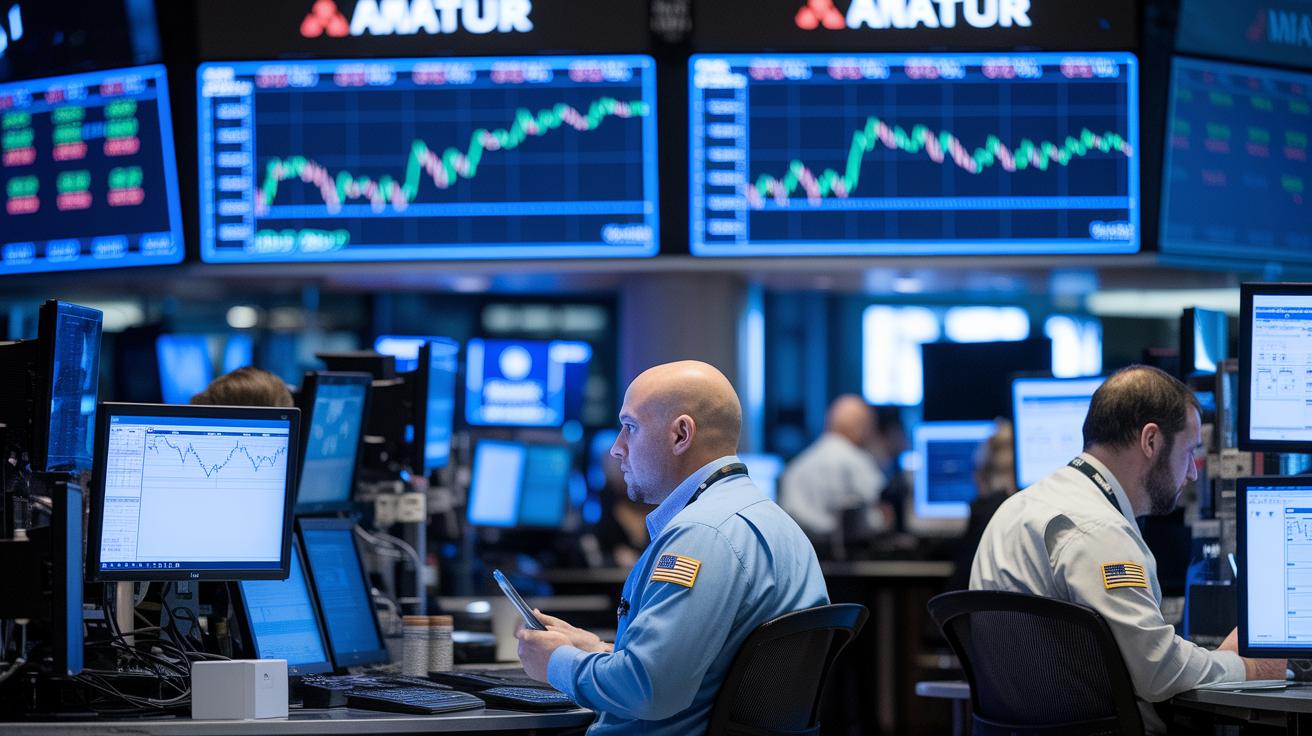
GameStop and AMC showed how lively online chatter can spark fast trading. A surge in countless small orders led to unexpected price jumps, turning regular market activity on its head. During these episodes, online communities came together around certain stocks, quickly changing buzz into massive trading volumes.
In India, a boom in IPOs highlights how everyday investors are shaping the market. Between 2021 and 2024, the share of trades from individual investors jumped from 33% to over 45%. Imagine walking into a busy trading room where nearly half the moves are made by everyday folks making quick, game-changing calls.
Meanwhile, ESG trends remind us that strong feelings about social and environmental issues can drive investment choices. Many Gen Z investors back companies that share their values, even if it means trading off quick profits for long-term benefits. Picture a company launching a new clean energy plan and sparking a 10% boost in investor interest in just a few weeks.
Future Directions in Behavioral Finance Trends

Emerging research now mixes behavioral data and advanced analytics to help us understand how we make investment decisions. Researchers are fine-tuning how we measure psychological strength (how we judge mental toughness) while keeping an eye on small shifts in market mood. Fun fact: before a big market move, you might notice tiny changes in investor sentiment, just like a small ripple before a wave.
Real-time sentiment indicators have boosted predictive behavior models. For example, some smart algorithms send messages like “Adjust your asset mix” when market signals change. These clear alerts help us see how investors bounce back without falling back on the same old tech talk.
Improved real-time models promise to make markets run smoother and help finance professionals plan more effectively. With these tools, risks can be assessed faster and adjustments made promptly, making it easier for both experts and everyday investors to act with confidence.
Final Words
In the action, our discussion highlights the growing role of behavioral finance trends and the blend of technology with investor psychology.
Retail participation data, AI-powered nudges, and ESG trends show how monetary habits and smart financial strategies are evolving.
These insights remind us that understanding financial behavior can lead to smarter decisions and stronger portfolios. Positive market shifts and innovative tools pave the way for a secure and inspiring financial future driven by behavioral finance trends.
FAQ
What is behavioral finance?
The concept of behavioral finance describes how investor psychology shapes market decisions. It studies the links between human behavior and economic trends, highlighting how biases and emotions influence finance.
What do behavioral finance PDFs offer?
The collection of behavioral finance PDFs provides compiled research and real-life cases that explain investor tendencies and bias, serving as practical guides to understanding how psychological factors drive market outcomes.
What are common behavioral biases in finance?
The common behavioral biases in finance include overconfidence, herd behavior, loss aversion, and anchoring. These biases show how personal feelings and perspectives can lead to less than optimal financial decisions.
What are some examples and types of behavioral finance?
The examples and types of behavioral finance illustrate how emotions and group influences affect market practices. They cover various tendencies—from impulsive trading to skepticism of market data—capturing a range of investor behaviors.
What are the main themes, pillars, and types of financial behavior?
The main themes, pillars, and types of financial behavior focus on psychological, emotional, and social drivers in finance. They outline theoretical frameworks and practical insights that help explain how different investor actions shape market trends.