


Have you ever wondered if handling money is more than just counting coins? When teens start managing cash, it might seem tricky at first. But saving a little bit of each dollar can really boost your confidence.
Think of it like riding a bike. At first, you might feel unsteady, but each small ride helps you build balance. This guide shares seven simple ways for young people to learn how to budget wisely, spend carefully, and save for the future.
These small steps can make a big difference in creating a secure financial future.
7 money management for teens: Boosting Confidence

When teens start handling money, getting the basics right is really important. Each year, a huge $143 billion is spent, so having good money habits is key whether it’s managing an allowance, part-time pay, or even small investments. Learning to budget, saving a bit (say, 10% of every dollar), and spending thoughtfully builds a strong foundation for the future.
Imagine learning to ride a bike. At first, it might feel a bit wobbly, but with practice, you get steadier. When teens track even small amounts, from an allowance or simple chores, they build strong financial skills. For instance, think about the surprising fact that before she became a world-famous scientist, Marie Curie once carried radioactive samples in her pockets, unaware of the risks. Little stories like that make money management feel real and spark curiosity about being responsible.
Here’s a simple checklist to get started:
| Money Skill | Description |
|---|---|
| Earning | Making money through chores or part-time work |
| Budgeting | Setting a simple plan for needs versus wants |
| Savings | Saving a small chunk (aim for about 10% of every dollar) |
| Smart Spending | Comparing prices and thinking about different choices |
| Giving Back | Donating a little, even if it’s just a small part |
Parents can make a big difference by showing good money habits themselves. When teens see adults regularly planning budgets and saving up, it gives them a clear picture of how money works. Using tools like simple charts or spreadsheets to track spending and saving helps make the whole process feel more real and manageable.
Real confidence grows when you deal with your own money. Enjoy the small wins, like sticking to a weekly budget, and see how these habits open up the path to smart, independent financial decisions down the road.
Setting Financial Goals in Teen Money Management
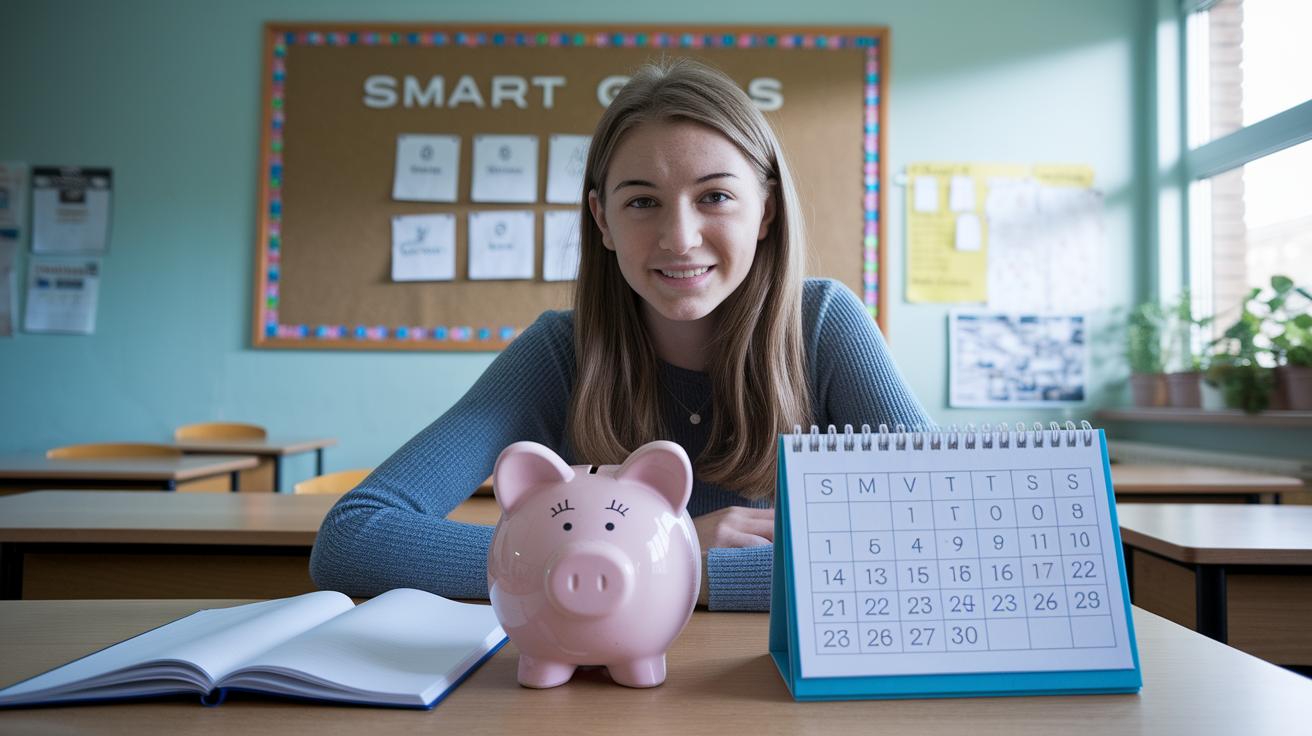
When teens decide on clear money goals, it helps them feel more responsible and sure when handling cash. A simple method to try is the SMART way, making goals that are specific, measurable, attainable, relevant, and time-bound (each of these words tells you what your goal should look like). For example, deciding to save $50 for a new video game within two months gives you a clear plan and deadline.
It works to split your goals into short-term ones, like buying new shoes or saving for a favorite snack, and long-term ones, such as starting to plan for college funds by 9th grade. Think of it like planning a fun project. You start small with easy steps, and soon those steps add up to big, exciting dreams.
Keep a simple chart or use an app to track how you're doing. One cool idea is to set up a visual tracker that shows columns for your goal, how much you've saved, and what still needs to be saved. Imagine writing, “Save $50 for gaming” and then marking off each dollar you earn. This little habit makes money management feel clear and even fun.
Every time you set and meet a goal, you're not just saving money, you’re also learning persistence and building confidence in your money skills. Isn't it great when you see progress, step by step?
Teen Budgeting Basics: Tracking Expenses with Worksheets

Budgeting is a bit like organizing your wallet. Start by trying the 50/30/20 rule. That means spending 50% of your money on things you need (like school supplies or getting to class), 30% on fun stuff (like a movie night or treats), and saving the remaining 20% for later goals. It’s as simple as dividing your favorite snacks, most for everyday munchies, a little for special treats, and some saved up for that big wish.
Printable worksheets make keeping an eye on your cash even easier. Picture a list where you jot down your income (like your allowance or earnings from a part-time job) alongside your regular bills (think monthly subscriptions) and extra expenses (like grabbing a snack). For example, note down "Allowance $20" under income and "Lunch $5" under flexible costs. It gives you a clear snapshot of your spending.
Tracking every dollar with a spreadsheet or an app can help you stay on top of things. You can watch your money flow, ensuring nothing slips by unnoticed. Here’s a simple table idea you might use:
| Category | Budgeted Amount | Actual Spend |
|---|---|---|
| Income | $50 | $50 |
| Needs | $25 | $20 |
By updating your worksheet often, you build smart habits step by step. Ever feel reassured knowing exactly where your money is going? It’s a small change that can give you a lot of control and peace of mind.
Building Teen Savings Habits with Effective Strategies

Begin by setting up your money so that part of your earnings automatically heads into your savings. Try putting aside at least 10% of every dollar you make. Think of it like each dollar you earn falling neatly into your savings goal, just as pieces of a puzzle come together when you get paid.
A great idea is to use parent-matched contributions. For example, if you save $20 for a new phone and your parent adds an extra 50% (that's $10), your savings grow quicker. It shows how family support can really boost what you save.
Another smart trick is to use a visual tracker. This might be a clear jar or an app with simple graphs. Imagine watching your jar slowly fill up over time, like a flower slowly blooming. These tools turn numbers into something you can actually see and make saving fun.
Breaking big goals into weekly targets keeps you on track. Say you’re saving for a spring break trip or even a car; try setting small targets each week. When you hit these mini-goals, it feels like a win and reminds you that you’re getting better at handling your money.
For more simple ways to manage your money while keeping it fun and secure, check out the money management tips here: money management.
Smart Spending for Teens: Distinguishing Needs vs Wants

When you're about to spend money, ask yourself: Do I really need this, or do I just want it? It's easy to fall into traps like spending a few dollars on coffee, buying trendy clothes, or clicking for an online deal that quickly adds up. Instead, take a breath and cover your basics first, think school supplies, healthy snacks, or bus fare, and then consider if you have extra left for a treat.
A neat trick is to do a little trade-off check before making a purchase. For example, if you're tempted by a new gadget, jot down why you want it and compare that with saving for something bigger, like a fun trip or a hobby you love. This quick check helps you pause and appreciate what you already have. A simple thought like, "I’m lucky to have a steady allowance covering my needs," can steer you toward wiser choices. Taking a moment to think before you spend builds strong money habits and makes you more confident about managing your cash.
Digital Finance Tools for Teen Budgeting and Engagement

Using digital finance tools can make keeping track of your money feel fun and interactive. Check out apps like Mint, Goodbudget, and YNAB. Mint shows you where your money goes with automated tracking. Goodbudget organizes your spending like putting cash in labeled jars. And YNAB works on a method where every dollar gets a job, so nothing goes to waste. It’s almost like playing a game where each purchase helps build your financial plan.
Many platforms now include playful challenges that mix saving and spending in a friendly competition. Imagine a game where you balance different spending choices, like deciding between a cool gadget and saving up for something special. These little challenges make learning to manage money feel more like a fun activity you’d enjoy with your friends.
Plus, you can find online tutorials and quizzes that boost your money smarts. Look for tools designed for teens that even let parents keep an eye on things, so everyone feels secure. And hey, try a quick digital quiz after updating your budget; it’s a handy way to check that you’re on track.
Banking and Investing Fundamentals for Teen Money Management

If you're a teen between 13 and 15, starting your financial adventure is simpler than you might think. With a parent co-signing, you can open a joint checking or savings account. This helps you learn how to track deposits and withdrawals, kind of like keeping score in your favorite game.
Parents can also set up a custodial account to hold money until you're ready to manage it yourself. There are even micro-investing apps that let you get started with investing. Think of these apps as simple tools that let you set money aside and watch it grow.
A good habit is to save around 10% of every dollar you earn and consider putting another 10% into basic investments. This way, you build two key parts of your financial future. Your savings might help you buy something special or cover unexpected costs, and investing lets you see the benefits of compound interest (where your money earns more money over time).
Imagine investing like planting a seed; it starts small, but with care and time, it can grow into something much bigger. For a simple guide on early investing, check out this idea of smart investing: smart investing.
Learning about the basics of the stock market helps you understand how companies grow and share a bit of that success. Even small investments made early on can lead to strong financial growth down the road.
Final Words
In the action, the blog covered essential money skills for teens. It highlighted the basics of setting smart goals, tracking expenses, and building healthy savings habits. The guide explained how to use simple worksheets and digital tools to track spending while showing the benefits of responsible investing. Each step builds a stronger foundation for making smart money decisions. These practical lessons can boost confidence and lead to long-term financial growth with reliable money management for teens. Enjoy applying these skills and keep moving toward a secure financial future.
FAQ
What resources are available for teen money management?
Teen money management tools include worksheets, books, PDFs, and classes. Many free options offer practical ways to learn budgeting, saving, and spending wisely while building strong financial foundations.
What is FDIC Money Smart for Young People?
FDIC Money Smart for Young People is a free program offering clear, step-by-step lessons that help teens learn key money skills, from saving basics to managing everyday expenses.
What does the 50-30-20 rule mean for teens?
The 50-30-20 rule for teens means dividing money into 50% for needs, 30% for wants, and 20% for savings, which helps design a balanced and easy-to-follow spending plan.
What does the 70/20/10 rule mean for money?
The 70/20/10 rule means setting aside 70% for necessary expenses, 20% for savings or repaying debts, and 10% for charity or extra spending, encouraging mindful and balanced money management.
How can I teach a teenager or 14-year-old to manage money?
Helping a teen manage money involves real-life practice like allowances or part-time work, using simple charts or apps to track spending, and discussing budgeting, saving, and thoughtful spending habits.