


Have you ever felt puzzled by your money matters? Sometimes you think you have enough, but before you know it, your cash seems to vanish. A personal budget isn’t just a bunch of numbers; it’s like a treasure map that guides your spending. It helps you decide where every dollar should go, turning everyday choices into simple steps that build your savings and ease your stress. Imagine planning a fun day that not only brightens your mood today but also helps build a secure future you can truly count on.
Personal Budget Foundations: A Step-by-Step Overview
A personal budget is like your own roadmap for money, you know exactly how much you really earn and how every cent is spent or saved. It gives you real control, helps build your savings, and eases everyday stress. Imagine it as a friendly guide that tells you why each dollar is there, whether it’s paying bills or adding a little extra fun to your day. Ever think about how even Marie Curie had unexpected start points in life? Before she became famous, she once carried dangerous test tubes in her pocket, not knowing the risks that shaped her journey.
First, figure out your real income by subtracting things like retirement contributions, taxes, and insurance from your total pay. This makes sure you’re planning with the right numbers. Next, write down all your monthly expenses. Split them into fixed costs like rent or loans, and variable ones such as groceries or going out. Whether you use an app or a written list, having a clear picture of where your money flows makes a world of difference.
Then, sort your spending into clear groups to really understand your habits. This simple step shows you where you can cut back and manage both your day-to-day spending and long-term goals. Follow these steps, and you’ll have a practical budget that makes managing your money feel natural and stress-free.
Tracking Income and Expenses in a Personal Budget
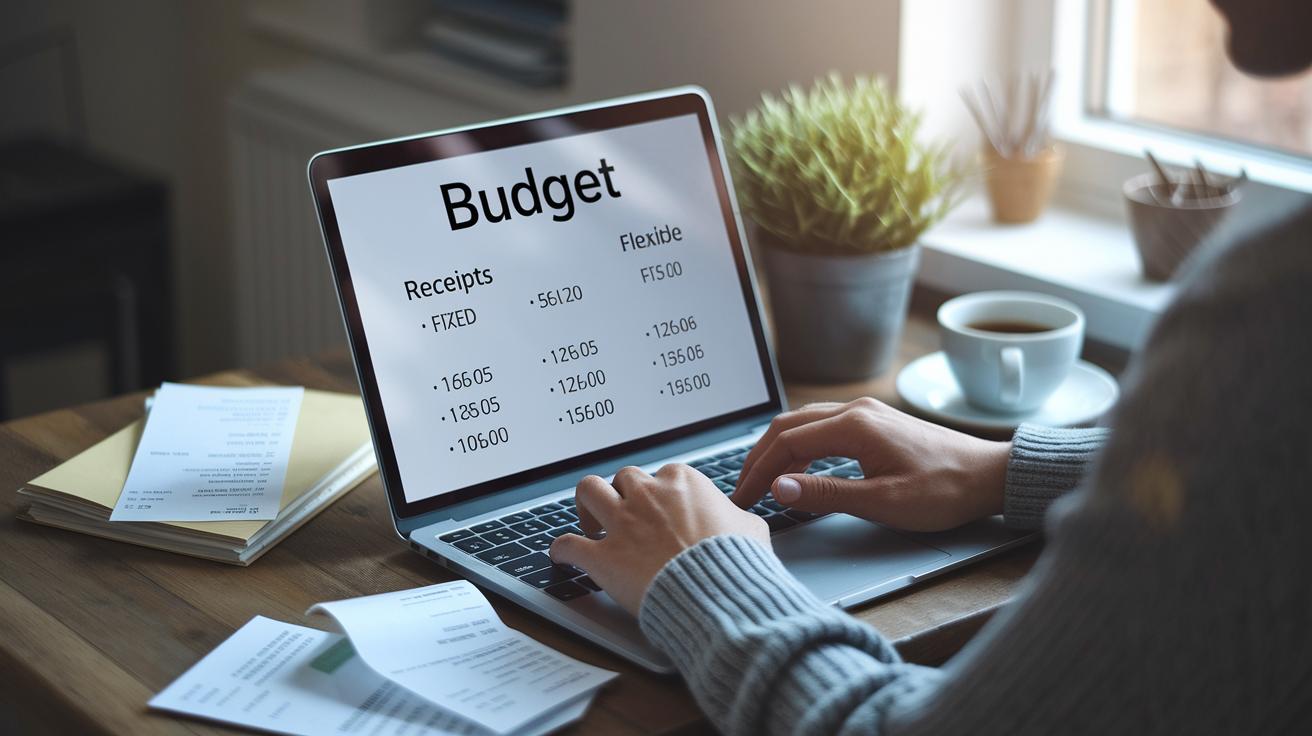
Start by figuring out how much money you really have by taking your total pay and subtracting taxes, insurance, and your retirement contributions. For example, if you earn $3000, and you take out $500 for taxes, $200 for insurance, and $100 for retirement, you end up with $2200 to work with.
Next, think of your spending in two groups: fixed costs like rent and car payments, and flexible costs like groceries or a movie night. It helps to jot down each expense right when it happens, maybe using a mobile app, a desktop program, or even a simple spreadsheet. You might write something like, "Just a heads up: grabbed a $15 coffee at 8 a.m. on my app."
Keep your income details clear and update your expenses regularly, so your budget stays sharp. Taking a few minutes every month to look over your spending can help you catch any changes. I often review my list and adjust my plan when I see I'm spending a bit too much on dining out.
For more tips on managing your money, check out money management at https://teafinance.com?p=149.
Personal Budget Framework: Applying the 50/30/20 Rule
The 50/30/20 rule is a simple way to sort your money into three clear categories and help you spend smartly. First, look at your net income (the money left after taxes, insurance, and retirement deposits). Then, use half of it for your needs. Needs cover essentials like paying rent, buying groceries, and keeping the lights on. For example, if you take home $2000, put aside about $1000 for these must-haves.
Next, use 30% of your net income for things you enjoy. These are the extras that add a little fun to your day, like a meal out, entertainment, or even that extra coffee run. Sometimes, a small treat, like a $10 dessert, can give you a welcome boost.
Lastly, save or pay off debt with the remaining 20% of your money. This part helps build a safety net, grow your savings, and chip away at any debts you might have. It’s like laying a strong foundation for big goals, such as buying a home or setting up an emergency fund.
This balanced plan makes it easier to decide what to spend and what to save. And, if needed, you can tweak these percentages to match your own priorities. It’s all about taking control of your spending and keeping your future secure.
Monthly Expense Scheduling for a Personal Budget

Imagine your monthly spending laid out like snapshots on a calendar. Start by jotting down regular costs such as rent, car payments, and utilities on the specific days they hit your account. Sometimes, you might notice one month seems higher, maybe due to an extra phone bill or a one-time repair. This little exercise can really help you predict your expenses better.
Using a calendar-based scheduler lets you spread out your bills over the month. For example, you might note, "I pay electricity on the 5th." This reminder makes it easier to set money aside early, so nothing takes you by surprise.
Try using a printable expense worksheet or a digital monthly outlay tool to mark both fixed bills and variable costs. Seeing peaks and dips in your spending helps you plan ahead. You might even add a note like, "Expect higher grocery costs this month because of a family event." With a clear calendar and worksheet, planning each expense becomes a simple and confident step toward smart budgeting.
Reviewing and Adjusting Your Personal Budget
It’s a good idea to take a fresh look at your budget at least once a year or right after a big life change, like getting a raise, paying off a loan, or even getting married. These moments often prompt you to rethink your spending plan. For example, if you get a raise, you might wonder, “I have a little extra cash now, should I save more or knock off some debt?” This simple check-in can help you decide where to direct your funds without stress.
Take a moment to see if your spending matches the goals you set. Ask yourself, “Am I on track here?” You might review your regular expenses using a straightforward list divided into needs, wants, and savings to keep everything clear and simple. Here are a few hints that it might be time to adjust your plan:
- Unexpected hikes in bills or other extra costs
- Changes in how much money comes in
- Shifts in what matters most to you right now
Sometimes, all it takes is shifting the money around in your 50/30/20 plan or putting that extra bit into your savings account. Regular check-ups like these ensure your budget stays lined up with your goals, making daily money management feel smoother and way less stressful.
Digital Tools and Templates for Your Personal Budget

Modern digital solutions make keeping an eye on your money as easy as pie. Many budgeting apps link up with your bank, so every transaction, like your quick $4.50 lunch, is automatically recorded. You might even get a friendly nudge saying, "Just added your $4.50 lunch expense," so you always know where your cash is going.
Desktop tools and customizable spreadsheets are a great option too. They let you set up your own spending categories, much like sorting regular bills from those unexpected one-time charges. One handy tip is to note, "Enter groceries here each week to catch seasonal shifts." This extra detail helps you see exactly how your finances flow each month.
Many banks also offer checking accounts that are built to help you stick to your budget. These accounts can send funds to savings for you or alert you when you're close to overspending. If you're comparing different tools, take a peek at the financial planning options on https://teafinance.com?p=229. They use strong security safeguards (ways to keep your data safe) to protect your information.
- Apps offer automatic tracking of your expenses.
- Spreadsheets let you customize your budget just the way you like it.
- Banking tools make saving money easier.
Using one or a mix of these digital tools can spark smarter spending and keep your budget on track with your financial goals. Isn't it nice to have a little helper guiding you along the way?
Final Words
In the action, we walked through the steps to build a solid personal budget. We covered how to track your income and expenses, use the 50/30/20 guideline, and schedule monthly costs with ease. We also explored digital tools that make money management more secure and approachable. With these clear steps, you can manage and grow your financial assets confidently, feeling empowered and in control every step of the way.
FAQ
Personal budget template
A personal budget template gives you a clear layout to record your income, expenses, and savings. It’s a ready-to-use guide that makes managing your money both simple and organized.
Personal budget software
Personal budget software automates tracking by connecting to your accounts, making real-time monitoring easier. It simplifies evaluating income and spending, which helps keep your finances secure.
Personal budget calculator
A personal budget calculator quickly adds up your income and expenses. It’s an effective tool for instantly assessing your financial balance, so you can adjust spending habits on the fly.
Personal budget for students
A personal budget for students is a simple plan to manage limited funds. It organizes spending on essentials and helps set aside savings, making daily financial decisions more straightforward.
Personal budget pdf
A personal budget PDF gives you a printable plan to track income, expenses, and savings by hand. This format is helpful if you prefer to manage your finances without digital tools.
Personal budget Excel
A personal budget Excel sheet uses customizable spreadsheets to capture income, expenses, and savings. This tool provides clear visuals and easy updates to help keep your financial plan on track.
How to make a monthly budget
Making a monthly budget means listing your income and planning expense categories. It involves scheduling regular bills and variable costs, enabling you to maintain a balanced approach to spending and saving.
How to budget money for beginners
Budgeting for beginners means starting with a straightforward plan that tracks income against expenses. This approach builds financial confidence and helps reduce stress by clearly identifying spending priorities.
What is the 50/30/20 rule budget?
The 50/30/20 rule budget allocates net income into needs (50%), wants (30%), and savings with debt repayment (20%). This framework provides a balanced guide to help maintain spending discipline and boost saving efforts.
What is the personal budget and how do you make one?
A personal budget is a plan to manage your income, expenses, and savings. Creating one means listing your earnings, categorizing expenses clearly, and continually adjusting spending to strengthen financial stability.