
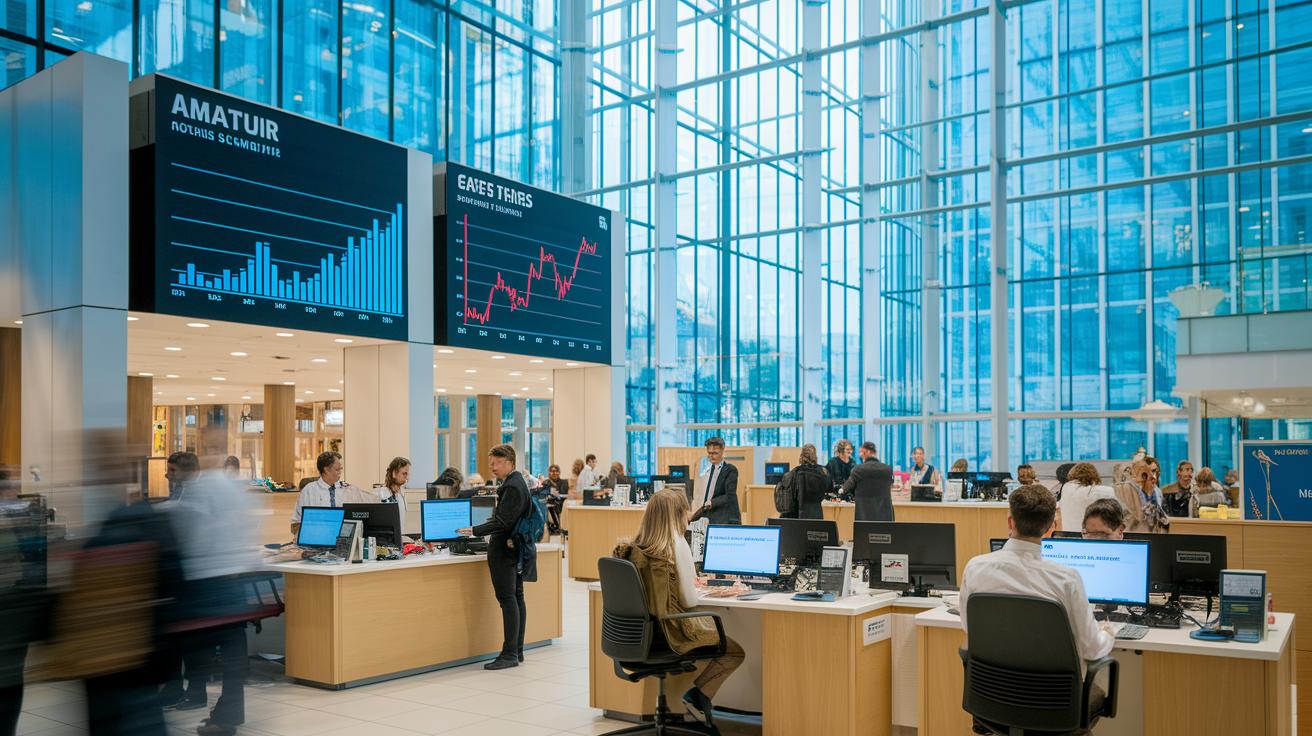

Ever wonder if your bank experience is ready for an upgrade? Retail banking is stepping into a new chapter and using digital tools that make everyday tasks both simple and safe. Banks have boosted their digital features more than 20% since 2021. Soon, you might just tap your phone and manage your money in just a few clicks.
This change isn’t just about faster services. It’s about adding a friendly, personal touch to how you bank. Imagine feeling like you’re talking with a trusted friend while you handle your finances, knowing every move is secure (like using a safe lock on your data).
These updates are sparking real growth in how you take care of your money. It’s an exciting time, one that might make dealing with your finances feel as smooth as a well-practiced routine.
Core Shifts in Retail Banking Financial Trends
Retail banking is changing in exciting ways that feel both modern and friendly. Today’s digital tools make handling your money a breeze, securely and quickly. Banks are now using new systems that simplify everyday tasks, whether you’re paying a bill or checking your balance. Picture this: you tap your phone and hear that smooth click as you log in securely to review your real-time balance. It’s not only about cutting-edge technology; it’s about connecting with you in a personal and easy way.
The 2025 Retail Banking Trends and Priorities Report brings some surprising numbers to light. More than half of banks are actively upgrading their digital systems, which means you could soon experience even faster and safer services. In fact, over 53% of banks have upped their digital game by 20% since 2021. Nearly 77% of bank leaders now say that growing revenue, boosting customer experience, cutting costs, and following rules are their main goals. Simply put, financial institutions are reshaping their services to meet what customers need today.
These big changes show that banks are working hard to balance smart technology with a personal touch. They’re investing in digital payments and financial tech tools, while also refining plans to improve both revenue and customer service. This thoughtful mix is all about making banking straightforward and dependable. The aim is to deliver seamless, real-time solutions that keep everyday priorities in clear view, making your banking experience simpler, faster, and more trustworthy.
Mobile and Digital Payment Innovation in Retail Banking

Mobile banking is really changing how we handle our money every day. People check their accounts about 20–22 times a month, turning their smartphones into trusty money managers. This shows that many of us feel at ease with digital banking and want fast, on-the-go ways to manage our cash. In fact, most users look at their balances several times daily, which helps them feel in control.
New digital-only banks have pushed traditional banks to get creative with their online services. These neobanks (banks that operate solely via apps) offer a simpler way to handle everyday banking, much like switching from a paper map to a GPS for easier navigation. Customers really enjoy the speed and flexibility of these apps, and that’s setting the pace for all banking experiences.
Recent advances in contactless payments and app design are also changing the scene. Quick, tap-to-pay options and easy-to-use app layouts make paying for things as smooth as buying your morning coffee. This steady drive to upgrade mobile banking keeps everything convenient and secure, making customers feel confident every time they log in.
Evolving Branch Service Models and Omnichannel Integration in Retail Banking
Traditional bank branches still hold a special place in our communities by building trust, especially when times are tough. People often feel more at ease talking about money face-to-face, much like catching up with a friendly neighbor. Picture walking into your local branch, getting a warm greeting, and discussing your goals in a relaxed way, it's comfort you can count on even when the economy feels uncertain.
Banks are now combining the ease of digital services with the personal feel of in-branch visits. They’re quickly adding more online options so you can switch between a virtual meeting and a visit to a local branch with ease. Whether you book a chat with a virtual advisor or prefer to talk in person, you’re getting a blended service that keeps things consistent and secure.
At the same time, many banks are rethinking how they use their physical spaces. Some are merging smaller branches into central hubs that serve both online and in-person needs. Think of it as transforming a tiny neighborhood store into a welcoming community center where advice is always nearby. This smart mix helps the bank stay connected with the community while using resources in the best way possible.
Retail banking financial trends Spark Exciting Growth

Banks are getting smarter and quicker, thanks to AI. This technology speeds up everyday tasks. For example, AI helps make quick decisions on loans of up to $250,000 by analyzing each application. This quick turnaround reduces waiting times and even lowers the chance of late payments by 32%. Even small improvements like these can make a big difference in customer happiness and how smoothly the bank runs.
AI is also changing the way banks serve you. Personalized offers powered by AI have made chatting with customers much more engaging, the number of clicks on these offers has increased five times! Imagine getting financial tips that feel made just for you. Friendly chatbots guide you through the banking process in real time, almost like having a personal assistant at your side. Banks are even trying out robo-advisory services that give automatic, personalized money advice. It’s a neat mix of human insight and machine accuracy that lets you manage your money confidently.
- Automated loan decisions that are both fast and reduce risk.
- Tailored offers that match your personal financial needs.
- Chatbots ready to help you in real time with your banking.
- AI systems that work around the clock to spot unusual activity and protect you.
Another cool trend is predictive analytics. By looking at past data and current patterns, banks can now guess market shifts and what you might need next. This method uses numbers and facts from before to predict what might happen soon. Tools used in predictive analytics help banks tweak offers and policies on the fly, which keeps your experience smooth and secure. It’s a smart, data-based way to build trust, allowing banks to react faster to changes while keeping your money safe.
Strengthening Security and Trust through Cybersecurity and Blockchain in Retail Banking
Banks today are putting extra effort into stopping fraud and keeping your money safe. They’re always on the lookout for any odd behavior, ready to act fast. This isn’t just about fixing problems when they happen, it's also about building a long-term trust with you.
Here are a few ways banks are making sure your money stays secure:
- Multi-factor authentication (this means using several ways to check who you are)
- Real-time monitoring (like having constant checks that immediately flag unusual activity)
- Encryption (coding your data so that only the right people can see it)
- AML technology (tools that help spot and stop suspicious money flows)
- Secure tokenization (swapping out sensitive info with a safe substitute to reduce risks)
Banks are also exploring blockchain to boost security. Think of blockchain as a digital record book that’s almost impossible to tamper with. It helps verify identities and handle cross-border payments smoothly. By using this technology, banks can cut down on fraud and make verifying transactions simpler and more transparent.
In the end, combining proven security measures with fresh, innovative tech gives retail banking a solid, dependable feel. Isn’t it nice to know that every secure login is backed by a team working hard to keep your finances safe?
Regulatory and Compliance Shifts Impacting Retail Banking Financial Strategies

Banks are now using smart tools that peek at every transaction to make sure they play by the rules and catch potential issues early. For instance, systems like AML (anti-money laundering, a method to stop money moving for illegal purposes) and KYC (know your customer, a way to check who you really are) keep everything smooth and secure. Around 77% of bank leaders say that sticking to these rules is a top priority – it’s like having a digital guard that minimizes mistakes and speeds up everyday tasks while ensuring online safety.
These new rules aren’t just for checking boxes. They’re changing the way banks create products and handle daily operations. By investing in top-notch automation for compliance, banks are finding fresh ways to upgrade their services and simplify their work. It’s a smart move that paves the way for clearer guidelines and better risk management, all while making banking a more customer-friendly and secure experience.
Fintech Collaboration Models and Competitive Dynamics in Retail Banking
The neobank effect is changing the way we think about traditional banks. Older banks are now joining forces with fintech firms or setting up their own digital arms to stay on top of modern trends.
Many banks are now testing out different ways to work with fintech companies. When they team up with these nimble tech experts, they get a mix of tried-and-true industry know-how and fresh, innovative technology. These partnerships work like shortcuts, helping banks launch new digital services quickly and smoothly. This joint effort means banks can respond faster to what customers need, quick, smart, and secure financial services that feel almost as seamless as a smooth click on a secure login.
These smart partnerships also change how banks compete. By embracing fintech collaboration, banks can react immediately when customer preferences shift. This nimble approach not only boosts their growth but also keeps them in the race in our fast-changing financial world.
Final Words
In the action, we've explored core changes spurred by digital adoption in retail banking, noting striking stats that show how technology is reshaping everyday money management. We looked at mobile app innovations, evolving branch services, and the smart use of AI to boost performance and trust. Cybersecurity and regulatory shifts received their due attention, too. With all these insights, it's clear the future in retail banking financial trends holds promise for smarter, more secure financial solutions that empower you every step of the way.
FAQ
Q: What is retail banking financial trends pdf?
A: The retail banking financial trends PDF is a document that explains how banks are using digital tools, improving customer service, and addressing compliance. It offers insights into current developments and future plans in the banking world.
Q: What were retail banking financial trends in 2021 and 2022?
A: Retail banking financial trends in 2021 and 2022 focused on digital transformation, mobile banking growth, and the shift to hybrid branch models. These trends show banks working to improve service while keeping costs low.
Q: What are retail banking trends for 2025?
A: Retail banking trends for 2025 highlight a major push toward digital payment methods, more use of AI for decisions, and stronger bank-fintech partnerships. The focus is on streamlined digital channels and personalized customer experiences.
Q: What are the current trends in the banking industry?
A: Current trends in the banking industry include a rise in digital payments, increased use of AI for efficient customer service, and enhanced security measures that build trust and protect sensitive financial data.
Q: What is the future of retail banking?
A: The future of retail banking points to more digital and hybrid models, smarter use of technology for secure transactions, and a focus on personalized experiences driven by AI and mobile innovation.
Q: What are the global trends in retail banking?
A: Global trends in retail banking show that banks around the world are moving to digital solutions, boosting mobile payment systems, and partnering with fintech companies to deliver seamless financial services across different markets.
Q: What are the 5 P’s of banking?
A: The 5 P’s of banking refer to Product, Price, Promotion, Place, and People. These elements serve as a guide for banks to balance offerings, set competitive rates, and maintain strong connections with customers.