
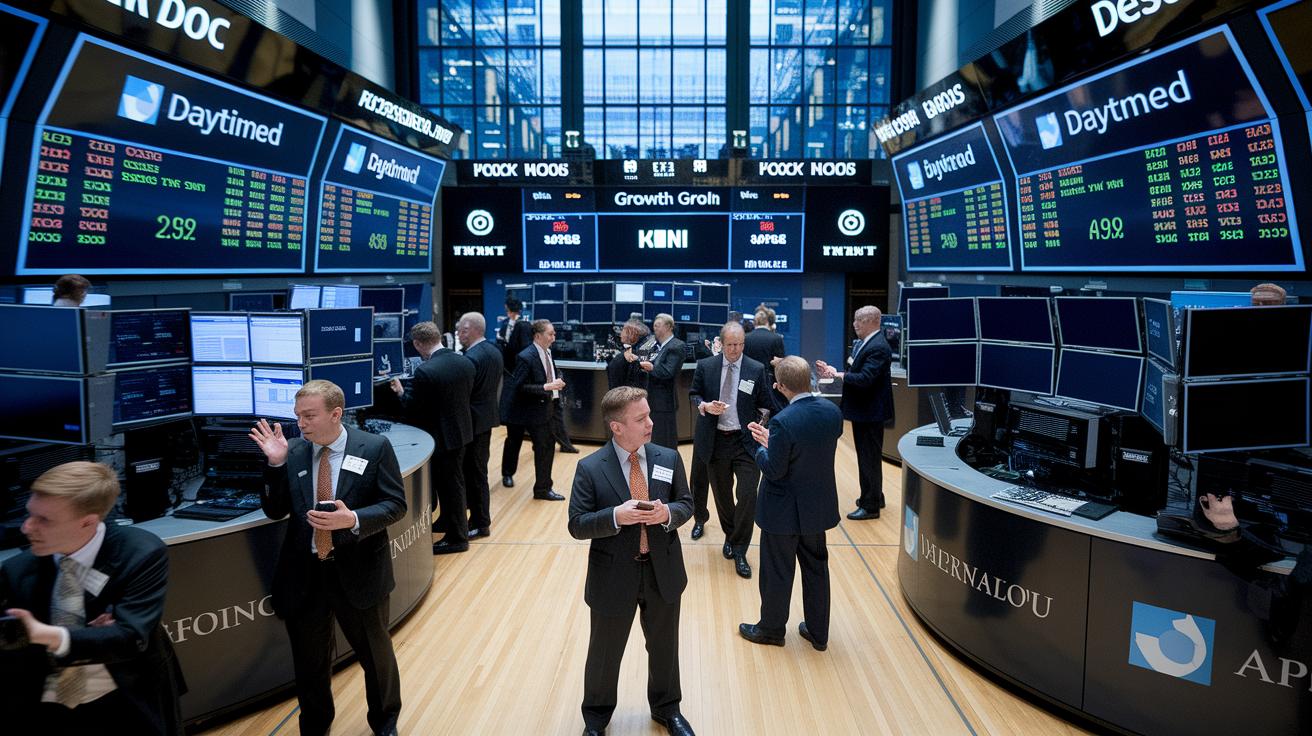

Have you ever thought that one share sale could boost local growth? Stock markets do more than let you buy and sell stocks, they provide the cash that businesses need to grow and hire people.
When companies sell shares, they gain money to try new ideas and improve their communities. In this article, we look at how these markets help by funding everything from new equipment to research that uses the latest methods.
Let’s see how smart moves in the stock market can turn plans into real growth and opportunity.
How Stock Markets Fuel Economic Growth and Capital Formation
Companies often kick off their growth by issuing shares in the primary market. This step helps them gather long-term funds to build factories, purchase equipment, or invest in research and development (R&D). Think of it like laying a solid financial foundation, each share sold is a building block for future expansion.
When a company sells shares, it’s offering you a piece of its future. You get a tradable unit of ownership that might earn you dividends (a portion of the profits), give you a say in company decisions, and even let you claim a share of assets if the business winds down. It’s much like securing a ticket to participate in its success.
This way of raising money empowers businesses to innovate and expand. With the cash raised, companies upgrade operations and adopt new technologies (smart tools that boost efficiency), much like gathering all the right ingredients to make your favorite recipe. The result? Better productivity and higher returns over time.
For example, a company might use its newly raised funds to modernize its factory or enter new markets. This not only stokes business growth but also creates jobs and brings new energy to local communities. Picture a business launching a high-tech production line, local vibrancy grows, and the positive ripple effect strengthens the broader economy.
Indexes like the S&P 500 and Dow Jones act as quick snapshots of market mood by tracking share-price changes. They mirror current market conditions and hint at where future funding might go. Imagine these index trends as the heartbeat of the market, each beat offers clues that help shape investor strategies and keep the cycle of capital formation alive.
Historical Evolution of Stock Markets and Economic Development
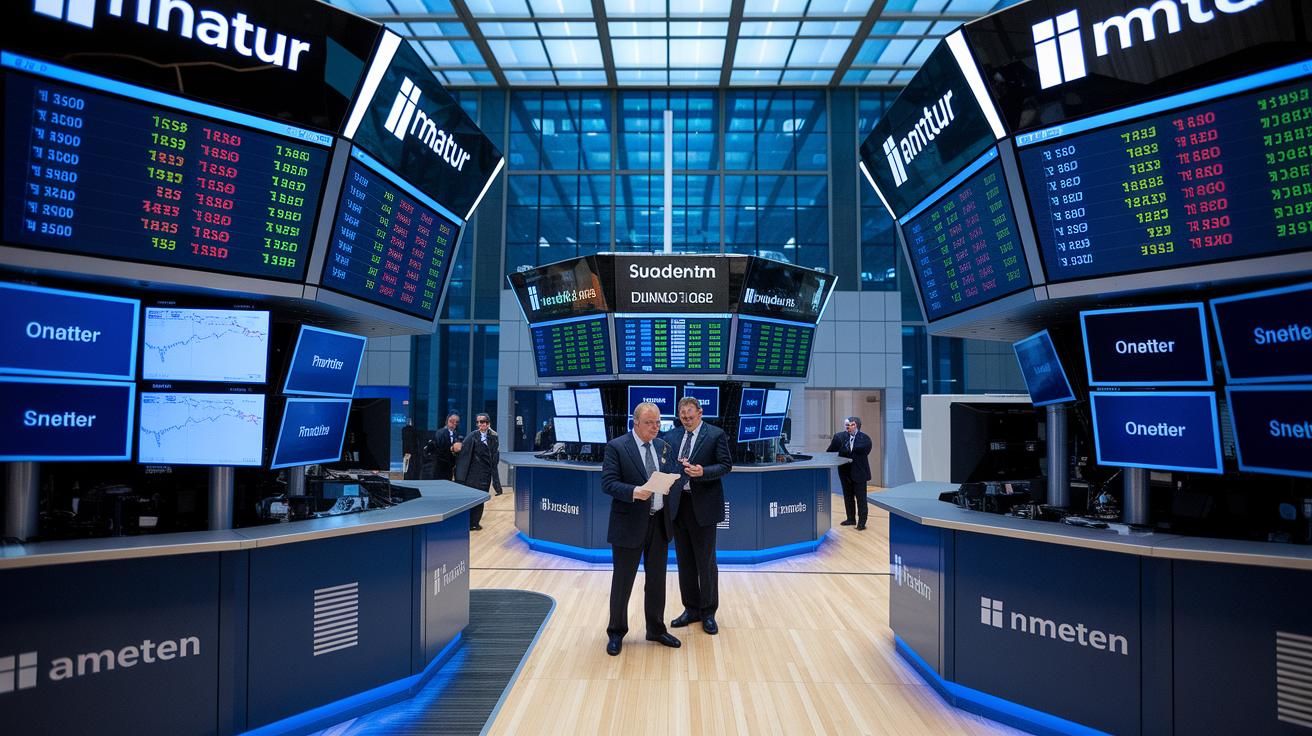
Stock trading got its start over 400 years ago in Britain and Holland when traders pooled their money to fund long sea voyages. Back then, owning a share was like pitching in for a community project, you’d invest a small amount and later share in the profits when goods returned from far-off lands.
Over time, modern stock markets evolved alongside some very important industrial changes. Major exchanges like the New York Stock Exchange, Nasdaq, London Stock Exchange, and Brazil’s B3 are now the go-to spots where companies meet investors to raise the funds needed for big projects. Imagine these places as busy market squares where ideas and plans for future growth are exchanged.
Historically, stock markets have delivered annual returns of about 10%, a pace that often beats the slow growth of regular savings. Every trading floor has played its part, much like pieces assembling a giant puzzle, to boost industrial progress and global trade. Today, these markets link different economies together, turning local investments into contributions that help build a closely connected global economy.
Trading Mechanisms and Liquidity in Stock Markets
Trading platforms form the backbone of the stock market. They work like a friendly swap meet where shares move quickly and smoothly. Liquidity (how fast you can buy or sell shares without extra cost) makes the market feel open and fair. When liquidity is high, shares get priced fairly, and buyers or sellers won’t deal with big gaps in pricing.
Both individual traders and big institutions add extra energy to the market. Picture a lively trading floor where every move clears the air on what’s really in demand. More trades lead to clearer price signals, so you get a better picture of a company’s true value. For example, a smaller gap between the highest price buyers are willing to pay and the lowest price sellers will accept (bid-ask spread) means lower transaction costs. This draws in more investors and helps set balanced prices whether shares are first offered or traded later.
| Liquidity Metric | Definition | Economic Benefit |
|---|---|---|
| Trading Volume | The total number of shares exchanged over a period | Facilitates robust price discovery |
| Market Depth | The availability of orders at different price levels | Provides price stability |
| Bid-Ask Spread | The difference between the highest bid and lowest ask | Reduces transaction costs |
This mix of quick trading and clear pricing pushes the market forward, supporting a vibrant economy for everyone.
Price Discovery in Stock Markets and Economic Signals
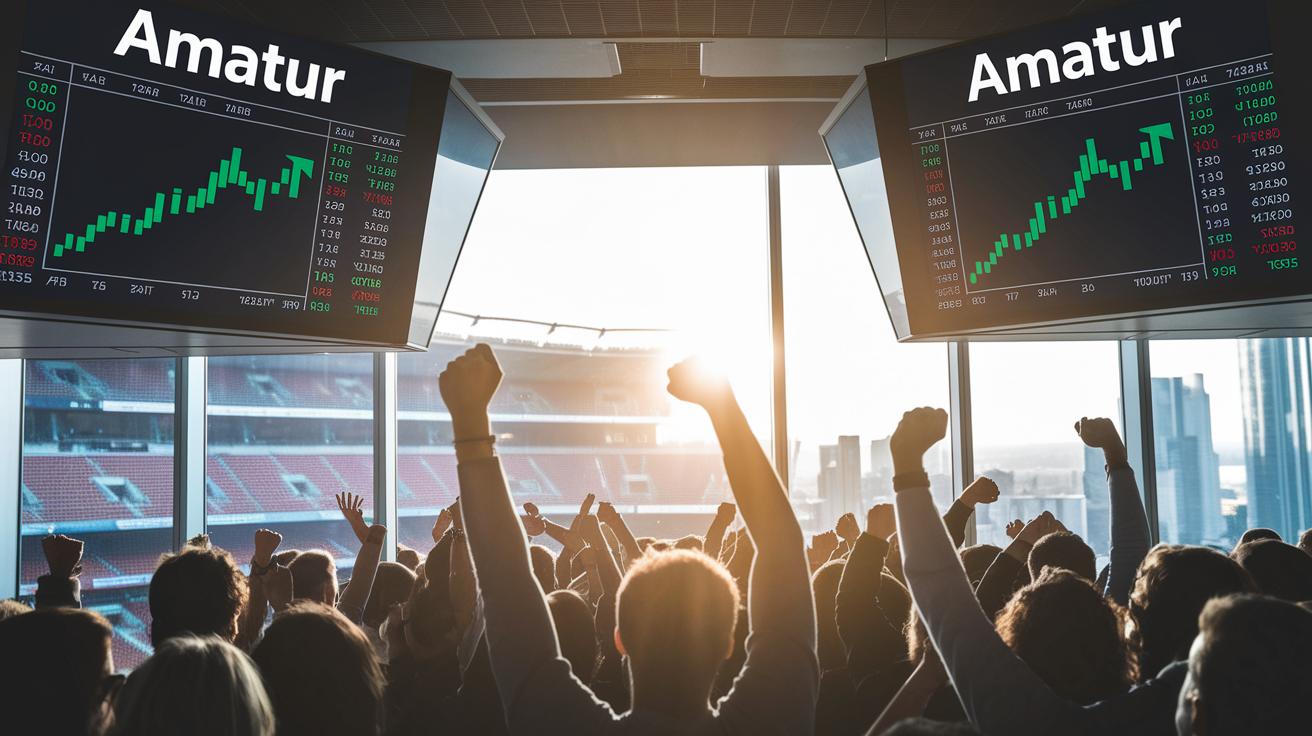
Price discovery means that stock prices act like friendly hints about what might happen in the future. Every trade chips in a little bit to shape our understanding of a company's potential earnings and the risks that investors are aware of. It’s kind of like a non-stop chat about business health and economic trends.
When a company rolls out a new product or lands a big breakthrough, such as getting a new drug approved, its stock price can jump up quickly. This jump tells us that investors now believe the company will earn more money in the future. It’s much like hearing a cheer in a crowded stadium when your team scores, everyone instantly knows that something positive has just occurred. Similarly, when oil prices rise because of more global demand, energy companies see their stock prices adjust to match these fresh outlooks.
Indexes like the S&P 500 or the Dow work by collecting lots of these individual changes into one big picture. Think of them like mood rings, they give you a quick sense of how the market feels. Clean trading platforms and active markets help make these price signals easy to read, offering useful clues that even influence broader economic forecasts like GDP.
Investor Behavior, Wealth Distribution, and the Stock Market
Investors put their hard-earned savings into the stock market for lots of practical reasons. They often use stocks not just to save up for retirement but also as a smart way to spread out risk. By owning shares in different companies, they avoid the worry that one bad performer might hurt all their savings, much like planting seeds in several gardens instead of just one. This approach aims for a steady return, around 10% each year, plus advantages like dividend payouts (a way to share a company's profits) and claims if a company ever shuts down.
Building a balanced portfolio is like mixing ingredients for your favorite meal. Many investors combine stable, dividend-paying stocks that give a regular income with more unpredictable stocks that can rise and fall with market changes. When the market gets rough, investors often adjust what they own to match the new economic mood, seeking better recovery and steady progress. This thoughtful mix helps keep risk in check while also spreading wealth among a broad group of market players.
Regulatory Oversight, Risk Assessment, and Market Stability

Regulatory agencies watch trading activity like a careful friend, ensuring our markets stay fair and clear. They put rules in place to curb risky behavior and protect everyday investors. Think of them as the friendly guardians who make sure every trade follows the same set of guidelines. This close attention builds trust and helps businesses run without hiccups.
When we look at how much a stock price can jump around, we use simple tools like beta and standard deviation. Beta (which shows how a stock moves compared to the overall market) tells you if a stock is a bit riskier or safer than average. Standard deviation gives a feel for how wildly a stock’s price can swing over time. By checking these numbers, risk managers know just how bumpy the market might get and decide how much risk feels okay. The market’s overall mood (systematic risk) and the ups and downs of one company (unsystematic risk) are two sides of the same coin. Spreading your investments (diversifying) can help lower the impact when one part gets a bit shaky.
Experts also run scenario analyses and stress tests. These methods work like a safety drill for your money, checking if the system can handle sudden shocks. In addition, strict listing rules make sure companies report their details clearly, boosting economic balance.
| Step | Description |
|---|---|
| Beta analysis | Compare a stock’s movement to the overall market |
| Standard-deviation tracking | Measure how much a stock’s price jumps around |
| Value-at-Risk modeling | Estimate the maximum expected loss over a period |
| Scenario analysis | Examine how the market might react in different situations |
| Stress testing | Simulate tough conditions to see if systems hold up |
This blend of oversight and testing makes our markets feel a bit safer, like having a trustworthy friend keeping an eye on things.
Global Stock Markets and Economic Integration
Worldwide, stock markets are closely connected through methods like cross-border listings and ADRs. Think of it this way: a company from Eastern Europe might choose to have its shares traded on an American exchange. By doing so, it gains access to new funds and reaches a broader range of investors. This approach lets emerging markets attract capital from outside, boosting local development and weaving each trade into a larger tapestry of global growth.
Money flows quickly these days, with funds and currencies shifting across borders in the blink of an eye. When something changes in one country, it can cause waves in others. Markets start acting as one big network, not just isolated pockets. This strong connection encourages companies to invest in long-term projects, which in turn helps keep economies more stable and in tune with global trends.
Final Words
In the action, stock markets fuel economic growth by helping firms raise funds for essential investments like new equipment and research. We explored how share issuance supports capital formation, while market indexes capture investor sentiment and guide fund allocation.
The blog also explained how trading platforms, price signals, and investor behavior build a clear picture of market dynamics. This balance of capital, trends, and secure financial tools showcases the significant role of stock markets in the economy. Embrace these insights for smart, secure money management.
FAQ
Q: What role do stock markets play in the economy?
A: The role of stock markets is to help companies raise money by selling shares and to support economic growth by signaling investor confidence with shifting share prices.
Q: What is a stock market, and how does it work?
A: The stock market is a platform where investors buy and sell company shares, which represent partial ownership, allowing firms to fund projects while investors target gains from price movements and dividends.
Q: What are the types of stock markets?
A: Types of stock markets include primary markets, where companies issue new shares, and secondary markets, where investors trade shares among themselves, each ensuring smooth capital flow in the economy.
Q: What if I invested $1000 in the S&P 500 10 years ago?
A: Investing $1000 in the S&P 500 10 years ago would have likely grown your money over time, thanks to compound returns and market growth seen through consistent performance.
Q: What is the 7% rule in the stock market?
A: The 7% rule suggests that stocks might deliver an average annual return around that figure over the long term, serving as a reminder of the benefits of steady, long-term investing.
Q: Who owns 90% of the stock market today?
A: Today, about 90% of the stock market is owned by institutional investors and large funds, which hold significant portions of shares in major companies and drive overall market dynamics.