

Have you ever thought a map might change the way you look at the stock market? This tool breaks down the market into neat, easy-to-read sections that even a beginner can follow.
It pulls in live updates from big names like the S&P 500, NASDAQ, and Bitcoin, so you see the latest trends right when they happen. It’s kind of like watching a secure login go off with that smooth, reassuring click.
Stick with us to see how this market map turns a lot of complex details into a clear picture of what’s really going on today.
Stock Market Map: Dynamic Sector Trends
This interactive stock market map gives you a clean look at key financial areas without drowning you in endless numbers and charts. It pulls live data from big global markets like the S&P 500, NASDAQ, and even Bitcoin, so you always see the most current trends. Think of it as a handy online trading hub where you can glance at market moves and news updates all at once.
You can also pick and choose what matters most to you. Want to filter by index, sector, or market size? It works just like a stock screener (that’s a tool that helps narrow down stock choices) so you can set up your view your way. Its layout brings together both the basic and finer details, making it a neat blueprint for anyone keeping an eye on the market.
The map features a few clear tools:
- Bubble sizing by market cap
- Color coding by performance
- Sector grouping for clarity
- Real-time updates that show live changes
| Feature | S&P 500 | NASDAQ |
|---|---|---|
| Data refresh rate | Every 15 seconds | Every 10 seconds |
| Sector coloring | Based on seasonal trends | Dynamic color shifts |
| Technical metrics | Basic indicators | Advanced analytics |
Sector and Industry Breakdown on the Stock Market Map
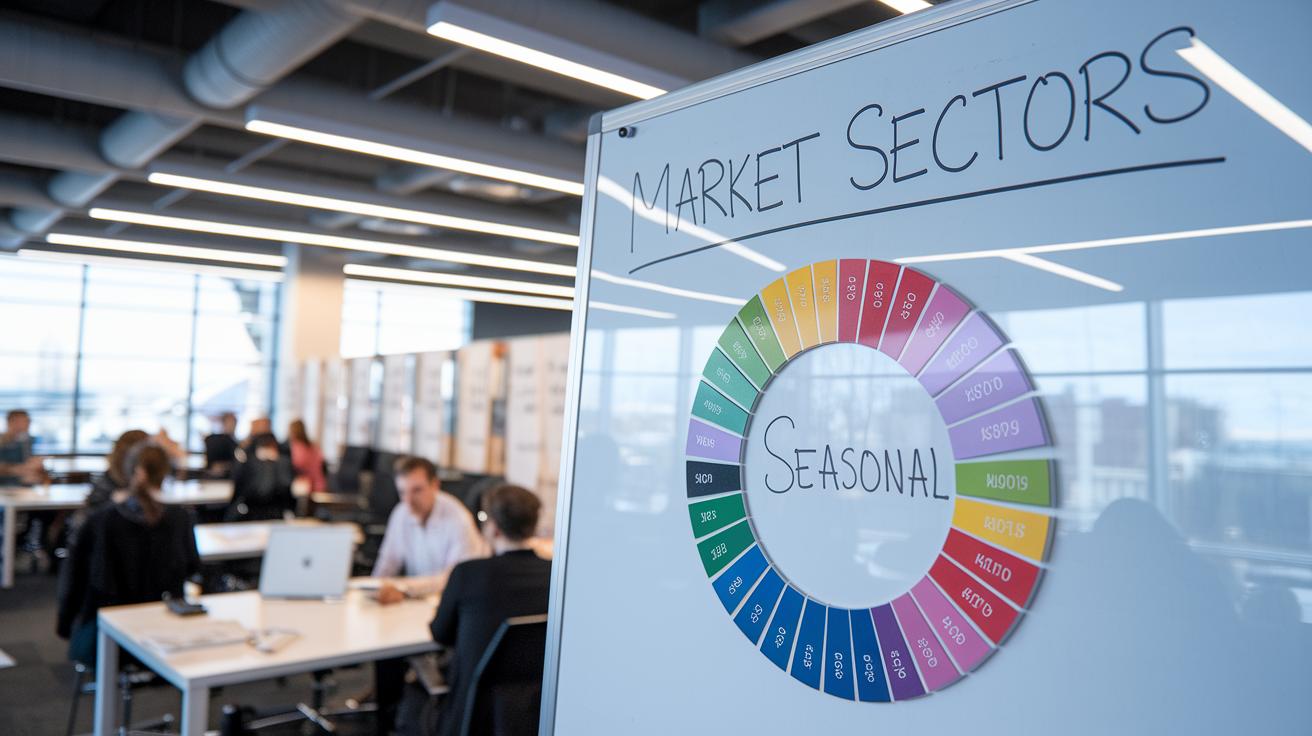
Breaking the market into smaller groups makes a huge pile of financial details easy to understand. When you sort the market into these industry groups, you get a quick picture of how different parts of the economy are doing. It turns a messy stack of information into a clear canvas where you can easily spot trends and see how each section is performing.
- Information Technology
- Health Care
- Financials
- Consumer Discretionary
- Consumer Staples
- Industrials
- Utilities
- Materials
Another neat feature is the seasonal color scheme. Each group gets its own color that changes with the seasons. For example, warm colors might pop up when a group is doing really well, while cooler shades hint at a slower pace. This simple visual tip lets you quickly feel the overall market mood without sifting through loads of numbers.
Reading Heat Grids and Performance Metrics
Heat maps offer you a quick snapshot of the market, almost like viewing a busy city from above. The colors help you see a lot of data at once. The way the grid uses seasonal colors makes it easy to tell which parts are doing well or falling behind, like checking if things feel hot or cool without all the extra numbers.
Here’s what you’ll often see on these maps:
- Daily gain/loss – This tells you how stock prices have changed since yesterday.
- Volume spike – This points out sudden jumps in the number of shares traded.
- 52-week high/low – This shows you the highest and lowest prices from the past year.
- Sector average – This gives a quick look at how a group of stocks, such as technology or retail, is doing.
- Volatility index – This measures how quickly a stock’s price is changing in a short time (like a quick snapshot of movement).
By watching these color-coded signals, you can tell if a market area is performing well or if something unusual is going on. Look out for clusters of similar colors that hint at shifts in performance, and try using filtering options by index or region to narrow your focus. It’s a bit like comparing different sections of a puzzle to see how the pieces fit together. With some practice, you’ll soon spot trends and sudden changes that can really help guide your decisions.
Customizing and Filtering Your Stock Market Map

Start by checking out the filter options on your map. You can easily change your view by picking options like the S&P 500 or NASDAQ. You can also narrow things down by country, sector, market cap, technical indicators (quick signals to spot trends), and timeframe. Every change refreshes the live update screen, so you feel like you're watching a real trading dashboard unfold before your eyes. For more basics on filtering and index choices, see how do stock markets work.
Once you set the filters to show what matters to you, saving and sharing your setup is a snap. Quickly saving your custom view means you can revisit your favorite sectors or technical details without resetting everything from scratch. This steady setup helps you zero in on trends that match your financial plans.
- index
- country
- sector
- market cap
- technical metric
- timeframe
Exporting or bookmarking your map settings is just as simple. A handy export option lets you download your current view configuration, and the bookmark feature saves your preferences directly in your browser, making your personalized market snapshot just a click away.
Historical Trends and Dynamic Analysis with a Stock Market Map
When you start, simply choose the date range you’re interested in to see snapshots of the market. With just a few clicks, the map shows daily, monthly, or even yearly performance. It neatly squeezes all that traditional stock data into a modern, easy-to-read view. For example, imagine selecting July 4, 2021 – on that day, the S&P 500 moved about 1.2%, and NASDAQ shifted similarly. It’s a quick glance that lets you compare recent trends to long-term patterns.
Then, the interactive tool lets you layer past performance over today’s data, offering a wide-angle look at global markets and other indices. Switching between different indices makes it easy to see how various segments change over time and tie those shifts to real-world events. And if you’re up for a deeper dive, advanced trend analytics are right there for you; check out market sentiment trends analysis at https://nftcellar.net?p=2295 for a closer look.
| Year | S&P 500 % Change | NASDAQ % Change |
|---|---|---|
| 2018 | -6.2% | -1.8% |
| 2019 | 28.9% | 35.2% |
| 2020 | 16.3% | 43.6% |
| 2021 | 26.9% | 21.4% |
| 2022 | -19.4% | -33.1% |
In short, these historical heat-map comparisons give you a clear picture of how different market sectors react over time. Checking out the ups and downs in the overlay can help you understand market movements and even hint at what might come next. It’s like having a friendly chat about your finances that makes things feel both secure and insightful.
Final Words
In the action, we explored how the stock market map brings clarity to complex trends with visual tools that simplify everything from real-time updates to filter customization. The guide detailed core features like bubble sizing, color coding, and performance metrics, making it easier for you to track indices and market shifts.
We wrapped up with a look at historical analysis, comparing trends that empower smart financial decisions. The stock market map stands out as a user-friendly way to manage and grow assets, bringing a fresh, clear perspective to secure money management.
FAQ
Q: What does a stock market map today reveal and how does it work in the U.S.?
A: The stock market map today displays real-time market trends and performance metrics for U.S. stocks. It features interactive visuals that highlight indices and sector groupings, making it easy to spot shifts in the market.
Q: How does the Stock Market Map on Yahoo operate?
A: The Stock Market Map on Yahoo organizes market data into an interactive format. It visually presents trends, sector breakdowns, and live updates so you can quickly get a snapshot of market activity.
Q: How can I access a live stock market heat map app?
A: The live stock market heat map app provides real-time updates by using color-coded visuals. It offers performance metrics such as daily gains or losses, helping you understand market movements at a glance.
Q: What information does a world stock market map show live?
A: A world stock market map shows global trading updates and market trends in real time. It highlights data for different regions and indices, giving you a clear view of international market performance.